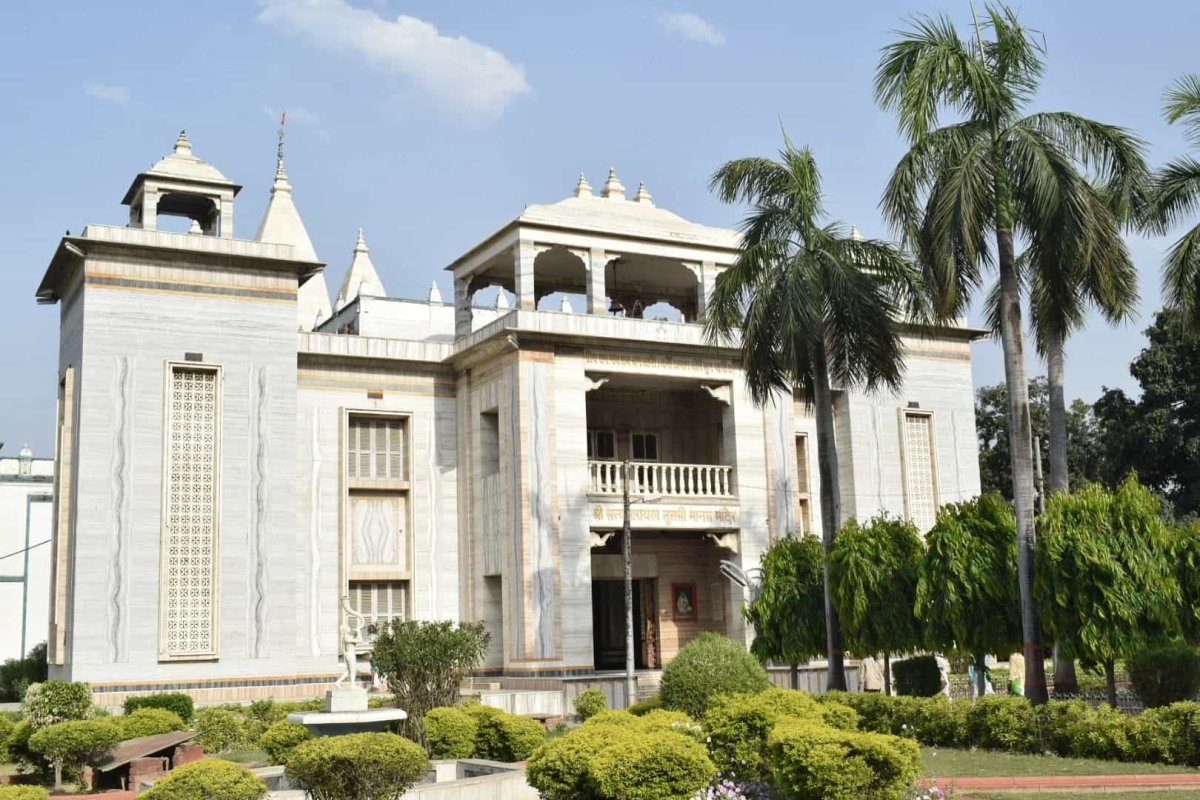
Shri Satyanarayan Tulsi Manas Mandir, Varanasi
Entry Fee
About This Attraction
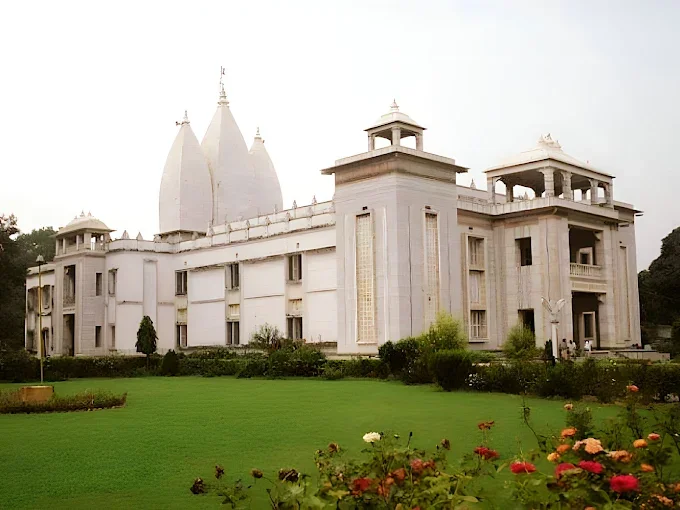
Tulsi Manas Temple is one of the most peaceful and culturally significant temples in Varanasi, dedicated to Lord Rama. The temple is built at the sacred place where Saint Tulsidas composed the Ramcharitmanas, making it a must-visit attraction for tourists interested in Indian spirituality and literature.
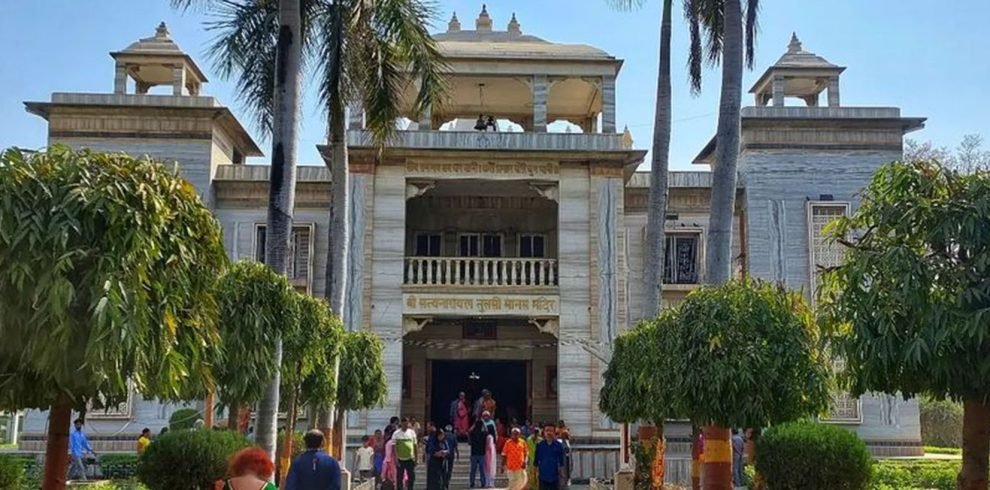
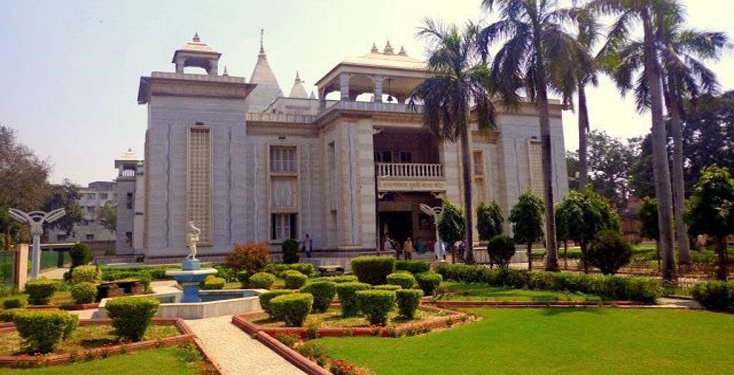
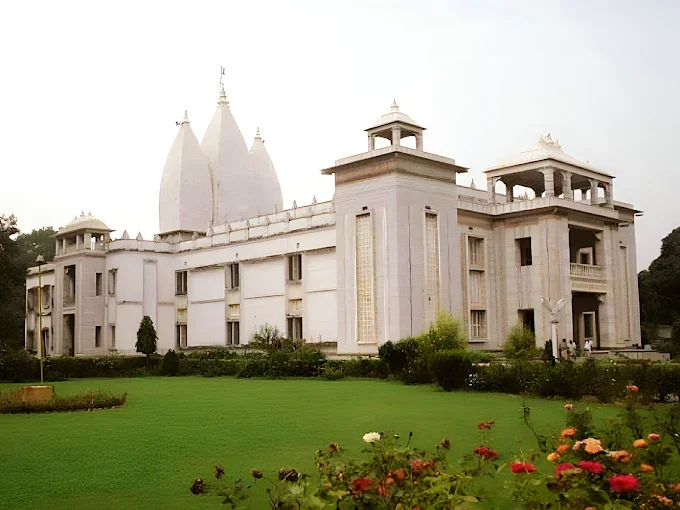
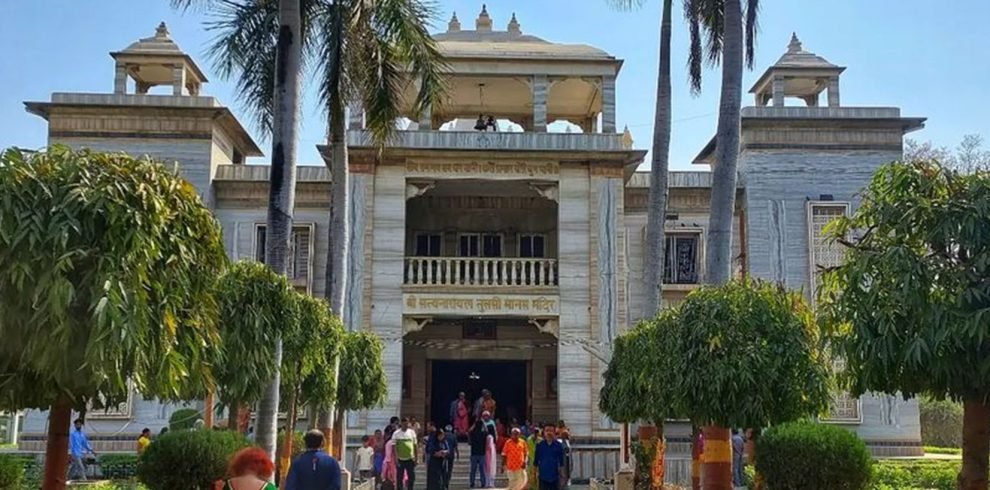
The temple is known for its white marble structure and calm surroundings. What makes it unique is that verses from the Ramcharitmanas are beautifully engraved on the walls, allowing visitors to read and understand the epic while walking around the temple.
Tulsi Manas Temple offers a quiet and soothing atmosphere, making it ideal for prayer, reflection, and short spiritual breaks during sightseeing. Its location near Durga Temple and Sankat Mochan Temple also makes it easy to include in a single visit.
For tourists, Tulsi Manas Temple is not just a place of worship but a cultural landmark that connects mythology, devotion, and literature—offering a meaningful and relaxing experience in Varanasi.
Photo Gallery
Highlights
- Ramcharitmanas inscriptions
- Peaceful atmosphere
- Close to Durga Temple
History
- Dedicated to Lord Rama: A sacred temple associated with the Ramayana tradition.
- Birthplace of Ramcharitmanas: Built at the site where Saint Tulsidas composed the Ramcharitmanas.
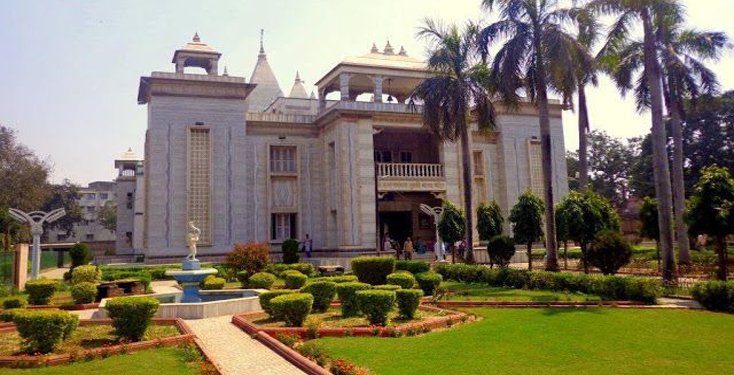
- Marble Architecture: Elegant white marble structure with a clean and peaceful ambiance.
- Engraved Ramayana Verses: Walls display verses from the Ramcharitmanas, making it both spiritual and educational.
- Calm & Serene Atmosphere: Ideal for prayer, reflection, and quiet sightseeing.
- Easy to Combine with Nearby Temples: Located close to Durga Temple and Sankat Mochan Temple.
Tulsi Manas Temple is perfect for tourists who want to experience devotion, culture, and tranquility in one visit.
Architecture
Tulsi Manas Temple features a simple yet elegant architectural style that reflects peace and devotion. Built mainly from white marble, the temple stands out for its clean design and calm surroundings.
The most unique architectural feature is the engraved verses of the Ramcharitmanas on the walls and pillars. These inscriptions allow visitors to read important lines from the epic while walking around the temple, making the structure both spiritual and educational.
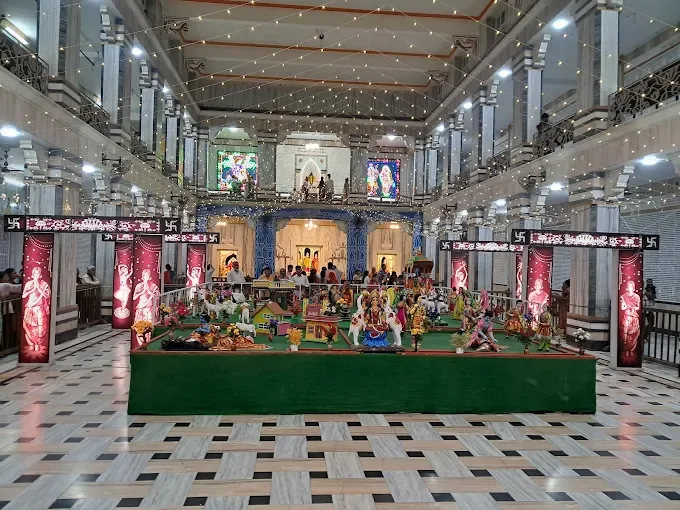
The temple follows a modern North Indian temple style, with a well-proportioned sanctum, open courtyards, and uncluttered spaces. Unlike older temples, its architecture focuses more on clarity, openness, and serenity, creating a relaxing experience for tourists.
Overall, the architecture of Tulsi Manas Temple complements its purpose—offering a peaceful, reflective, and culturally rich environment for visitors exploring Varanasi.
Festivals & Events
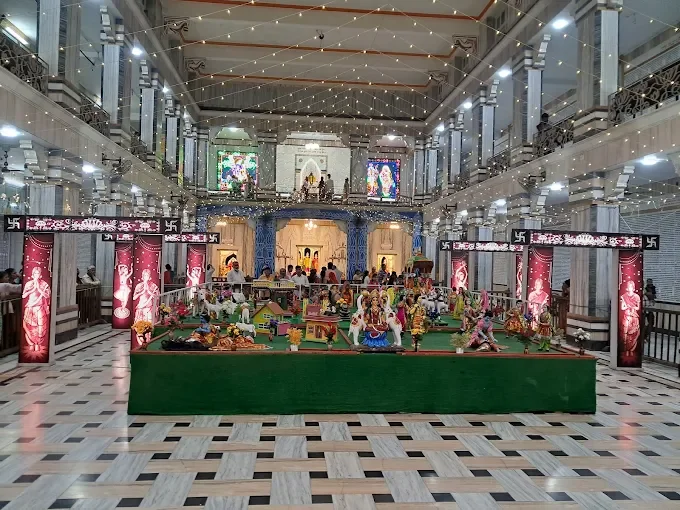
Tulsi Manas Temple is especially lively during festivals connected to Lord Rama and the Ramayana, making it a meaningful stop for tourists.
- Ram Navami: The most important festival here, celebrating the birth of Lord Rama with prayers, bhajans, and devotional gatherings.
- Ramleela Performances: During festive seasons, episodes from the Ramayana are recited and performed, attracting devotees and visitors.
- Diwali: The temple is beautifully decorated and illuminated, marking the return of Lord Rama to Ayodhya.
- Regular Bhajan & Katha Sessions: Devotional songs and Ramcharitmanas recitations take place on special occasions.
For tourists, visiting Tulsi Manas Temple during these events offers a calm yet culturally rich experience, highlighting the devotional traditions of Varanasi without heavy crowds.
Visitor Tips
- Visit in the Morning or Evening: These times are quieter and more comfortable for sightseeing and prayer.
- Dress Modestly: As an active place of worship, respectful clothing is recommended.
- Take Time to Read the Inscriptions: Don’t miss the Ramcharitmanas verses engraved on the walls—they are a key highlight.
- Combine Nearby Attractions: Easily visit Durga Temple and Sankat Mochan Temple on the same trip.
- Maintain Silence & Cleanliness: The temple is known for its peaceful atmosphere.
- Allow 30–45 Minutes: Enough time to explore, relax, and enjoy the calm surroundings.
These tips help tourists enjoy a smooth, meaningful, and respectful visit to Tulsi Manas Temple.
Frequently Asked Questions
Tulsi Manas Mandir is not only a place of worship—it is a temple of words. Unlike idol-centric temples, devotion here flows through verses of Ramcharitmanas engraved on its walls, making reading itself an act of prayer.
The temple is deeply connected to Tulsidas, the saint-poet who composed the Ramcharitmanas in Awadhi. This site celebrates his philosophy of simple devotion over ritual complexity.
The verses are engraved so that:
- Even illiterate devotees could listen and absorb the teachings
- Scripture becomes public and accessible, not priest-controlled
- Walking around the temple feels like moving through a living epic
This makes it especially meaningful for tourists interested in Indian philosophy.
Architecturally, it is a modern temple, but spiritually it preserves an ancient oral tradition. The temple bridges centuries—where medieval bhakti meets modern India.
The main deity is Lord Rama, worshipped along with Sita, Lakshman, and Hanuman. However, devotion here focuses more on Rama’s ideals—truth, duty, compassion—than ritual offerings.
The temple’s open courtyards, white marble structure, and continuous presence of sacred text create an atmosphere ideal for:
- Quiet reading
- Reflection
- Spiritual learning
It is less emotionally intense and more intellectually soothing.
Yes. It is often recommended as a starter temple because:
- No crowd pressure
- Clear layout
- Easy access
- Minimal ritual confusion
It gently introduces visitors to Kashi’s spiritual culture.
- Morning hours for silence and reflection
- Late afternoon for comfortable walking and reading
- Evenings are peaceful but less interactive
Festival days attract bhajan groups and recitations.
No. Tulsi Manas Mandir encourages self-guided devotion. You can:
- Read verses
- Sit quietly
- Offer a simple prayer
This makes it ideal for independent travelers and foreign tourists.
Photography is usually allowed in outer areas and courtyards. Visitors should avoid disturbing devotees and follow local signage.
Because it functions as:
- A spiritual library
- A cultural classroom
- A philosophical reference point
Its proximity to Banaras Hindu University adds to its academic appeal.
If Sankat Mochan Temple is about emotional relief, Tulsi Manas Mandir is about mental clarity. One heals the heart; the other steadies the mind.
There is no strict dress code, but modest attire is recommended. Comfortable clothing helps while reading and walking around the complex.
It fits well with:
- Sankat Mochan Temple
- Durga Kund Temple
- BHU campus walk
This forms a Bhakti–Shakti–Gyaan circuit.
Because it offers:
- Literature as devotion
- Philosophy without pressure
- A quiet pause in crowded Kashi
For many travelers, Tulsi Manas Mandir becomes the place where Varanasi finally makes sense.
More Attractions in Varanasi
Discover other amazing places to visit

Annapurna Devi Temple
A sacred temple in Varanasi dedicated to Goddess Annapurna, symbolizing food, nourishment, and prosperity
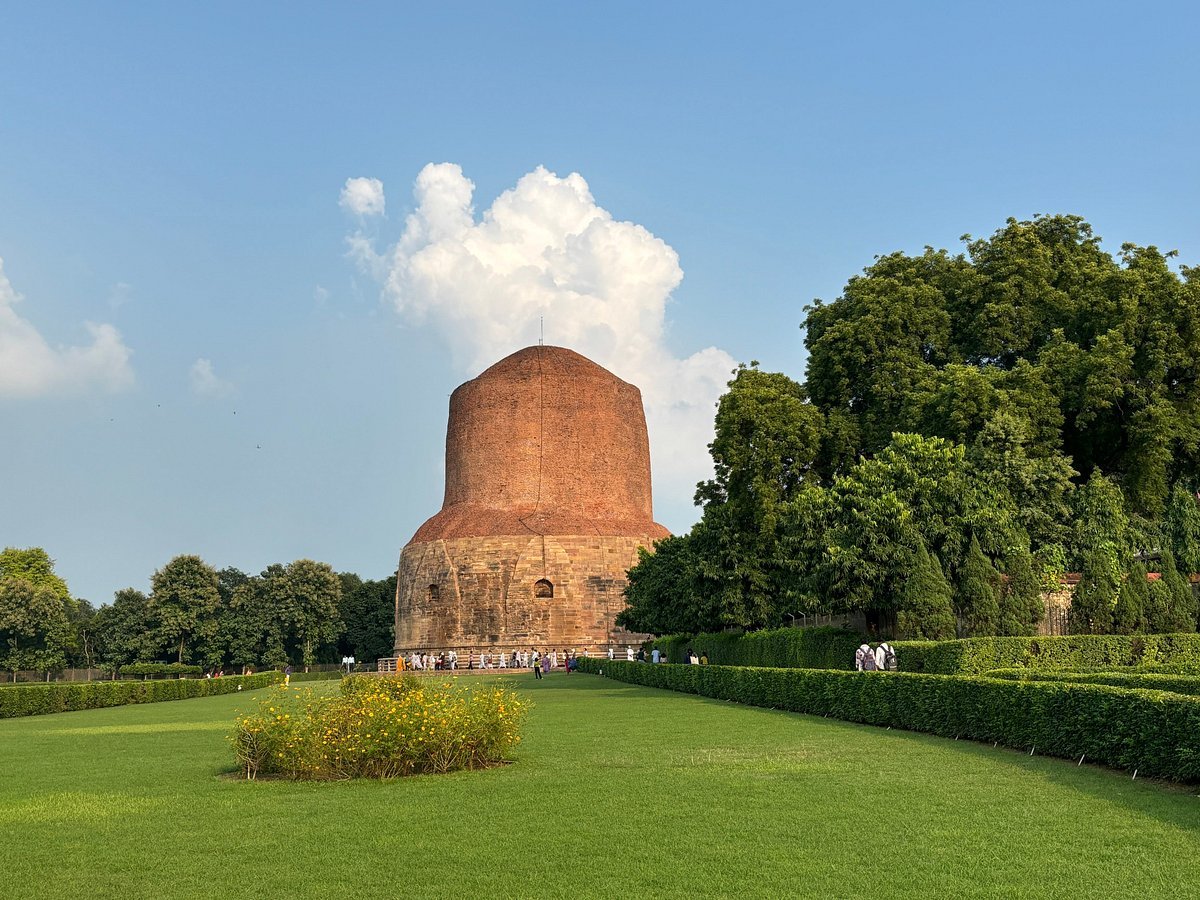
Sarnath
A sacred Buddhist pilgrimage site where Lord Buddha gave his first sermon, located near Varanasi
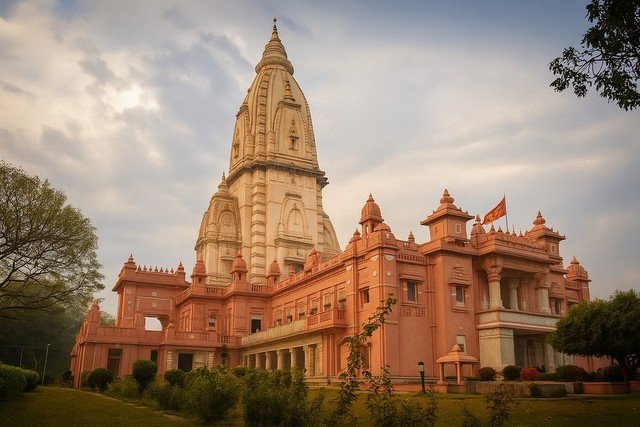
BHU Vishwanath Temple (Birla Temple)
A grand modern Shiva temple located inside BHU campus.
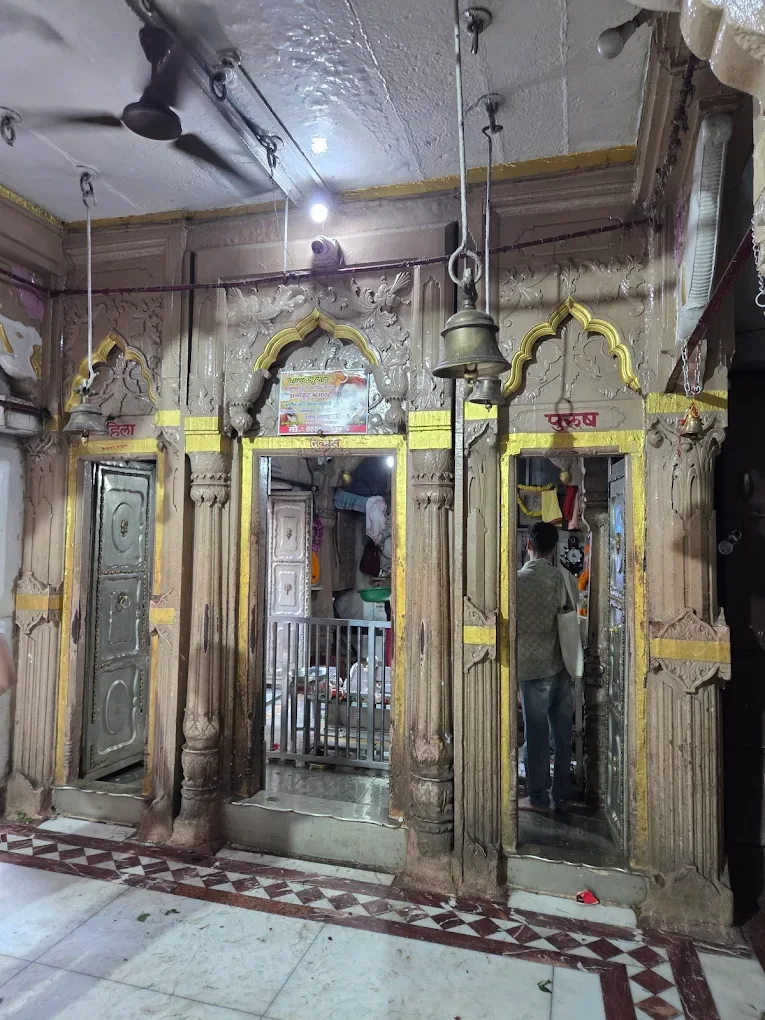
Mrityunjay Mahadev Mandir Varanasi
A powerful Shiva temple associated with healing and the Mahamritunjay Mantra.