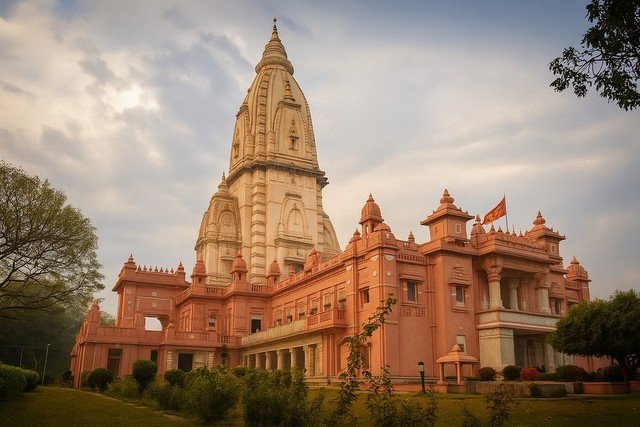
BHU Vishwanath Temple (Birla Temple)
Entry Fee
₹0
per person
About This Attraction
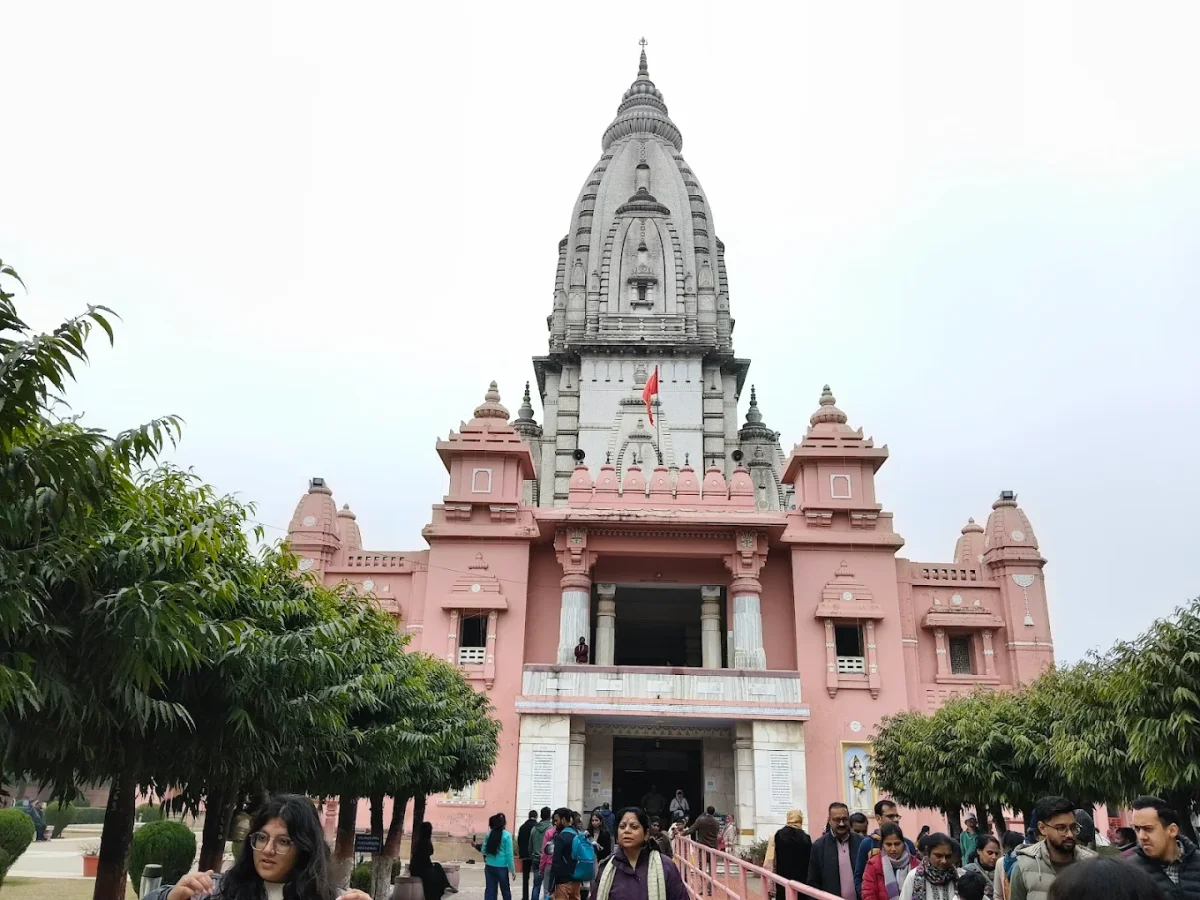
The BHU VT Birla Temple, formally known as Shri Vishwanath Mandir, is one of the most prominent landmarks of Banaras Hindu University (BHU) in Varanasi, Uttar Pradesh. Standing gracefully within the expansive university campus, the temple is both a major religious center and a symbol of India’s cultural, spiritual, and educational heritage.
The temple is dedicated to Lord Shiva, worshipped here as Vishwanath, the “Lord of the Universe.” Its foundation was laid with the vision of integrating spiritual values with modern education—an idea strongly supported by Pandit Madan Mohan Malaviya, the founder of BHU. The construction of the temple was generously supported by the Birla family, one of India’s most renowned industrialist families, which is why it is popularly known as the Birla Temple of BHU. The temple was officially inaugurated in 1966 by Dr. Sarvepalli Radhakrishnan, the then President of India.
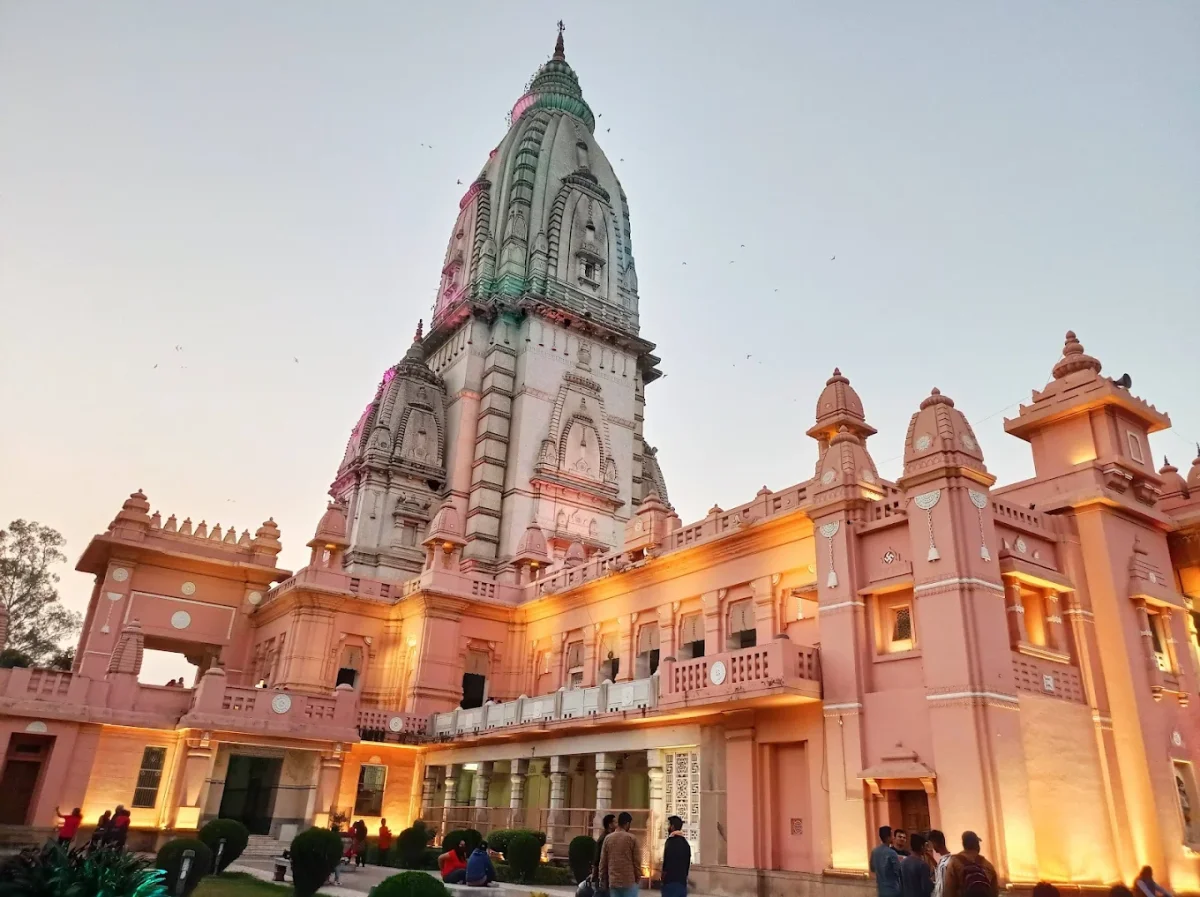
Architecturally, the temple is built in the Nagara style of North Indian temple architecture and is made predominantly of white marble, giving it a serene and majestic appearance. The most striking feature of the temple is its towering shikhara (spire), which rises to about 77 meters (approximately 250 feet), making it one of the tallest temple towers in India at the time of its construction. The height and elegance of the spire allow the temple to be seen from many parts of the BHU campus and beyond.
The outer walls of the temple are richly adorned with carvings and inscriptions depicting scenes from Hindu scriptures. Verses from the Bhagavad Gita, the Upanishads, and other sacred texts are engraved on the marble walls, reflecting the temple’s role not just as a place of worship but also as a center of learning and philosophical reflection. This unique feature beautifully aligns with BHU’s academic mission, blending spirituality with intellectual pursuit.
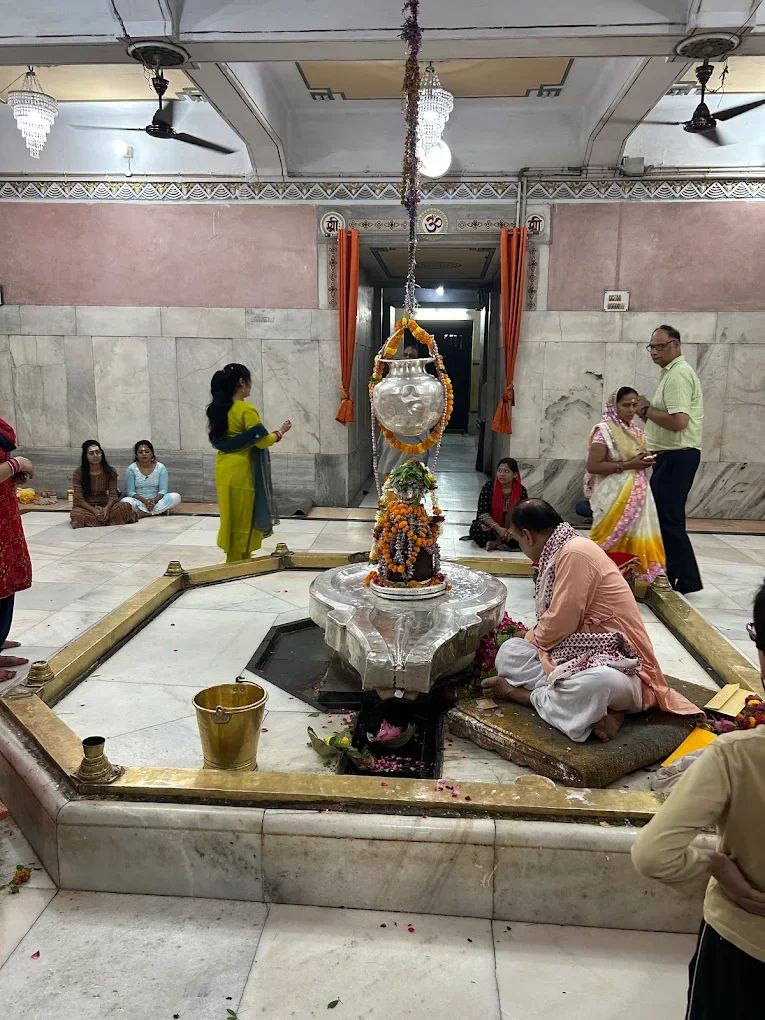
Inside the sanctum sanctorum, a Shiva Lingam is enshrined and worshipped with traditional rituals. The atmosphere within the temple is calm and meditative, attracting devotees, students, faculty members, and visitors from across India and the world. One of the most notable aspects of the BHU Birla Temple is its inclusive philosophy—people of all castes, creeds, and backgrounds are allowed to enter and offer prayers, reinforcing ideals of social equality and unity.
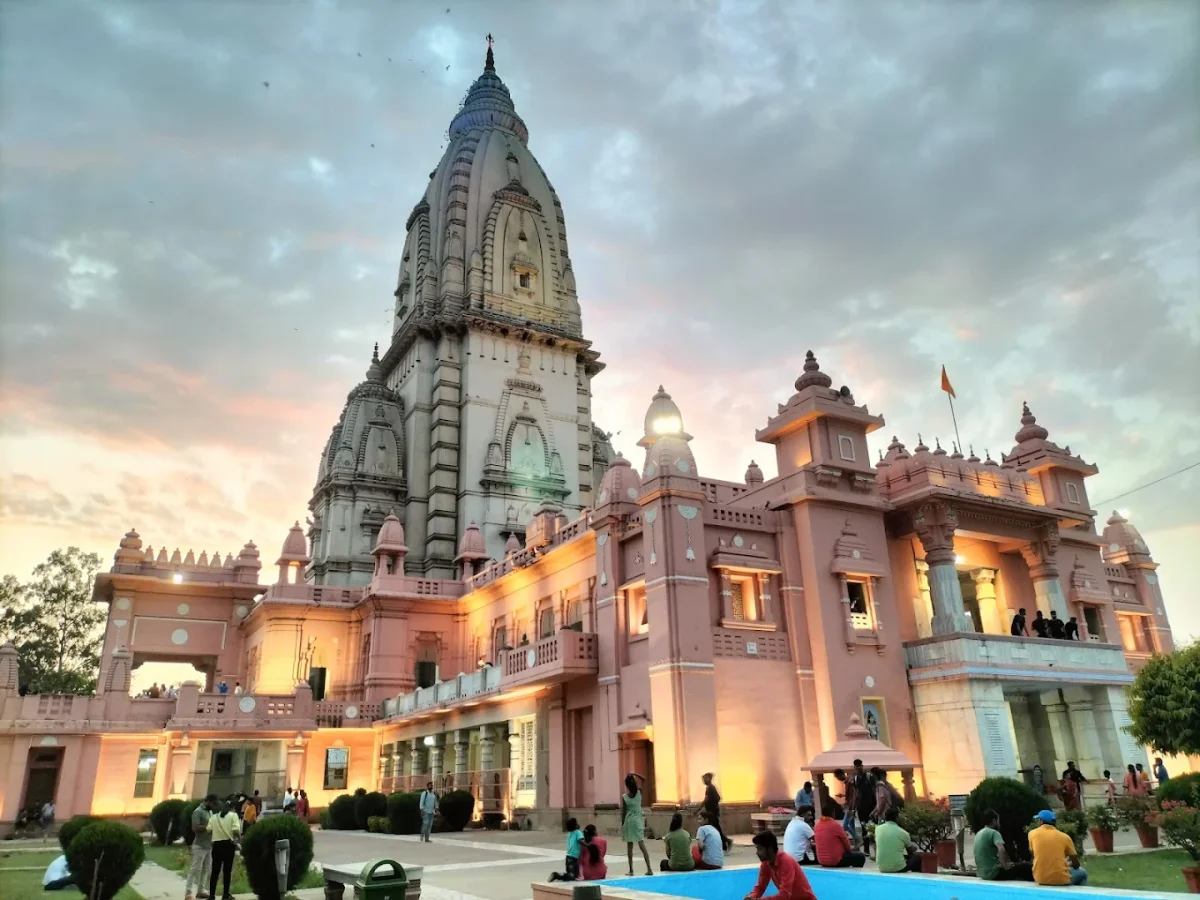
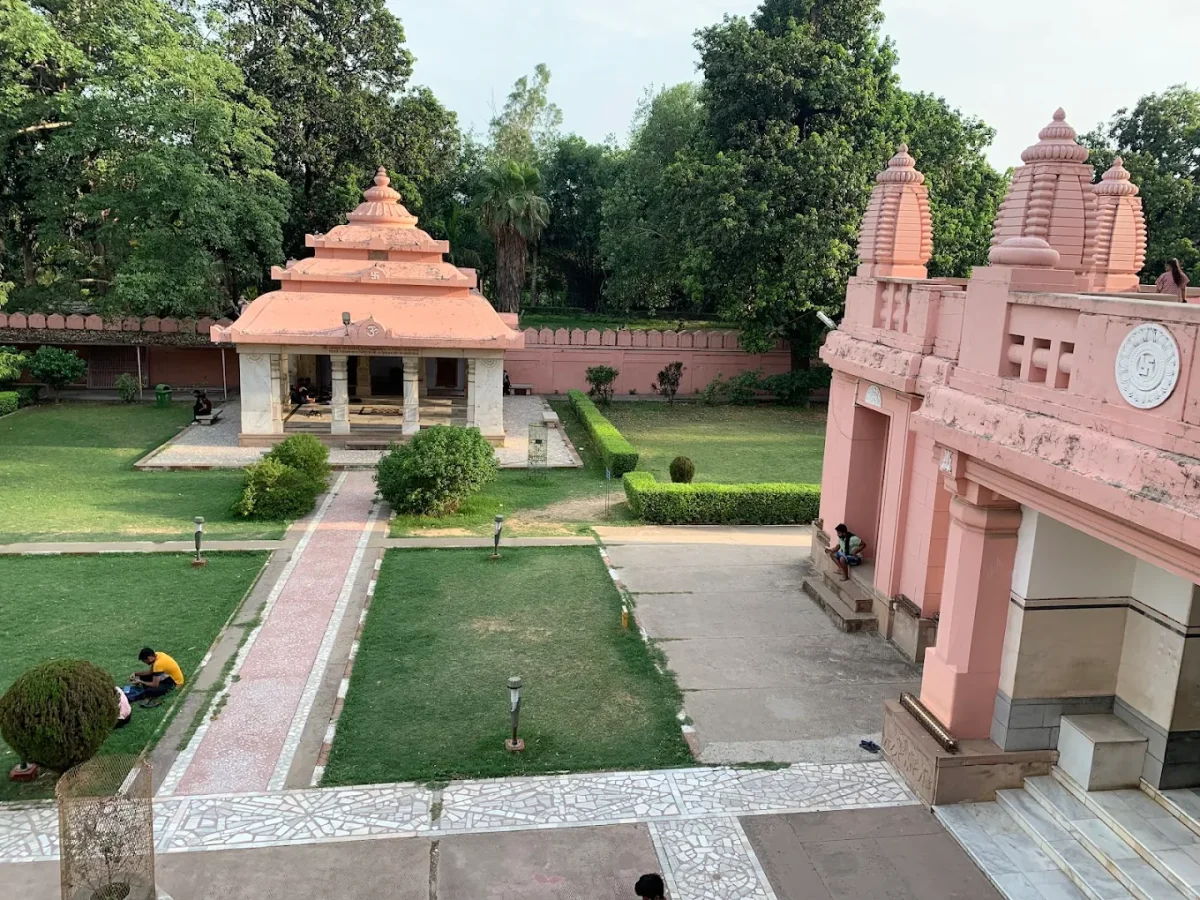
Surrounded by well-maintained gardens and open spaces, the temple serves as a spiritual retreat amidst the academic environment of BHU. During major festivals such as Mahashivratri, Shravan month, and other Hindu celebrations, the temple becomes a vibrant hub of devotion, with special prayers, chanting, and cultural activities.
In essence, the BHU VT Birla Temple is not merely a religious structure; it is a symbol of India’s timeless spiritual traditions harmoniously coexisting with modern education. Its architectural grandeur, spiritual significance, and philosophical depth make it one of the most revered and admired temples in Varanasi and a defining feature of Banaras Hindu University.
Photo Gallery
Highlights
- Shri Vishwanath Mandir (BHU VT Birla Temple) is one of the most famous temples in Varanasi, located inside the Banaras Hindu University (BHU) campus.
- The temple is dedicated to Lord Shiva, worshipped here as Vishwanath, the Lord of the Universe.
- It is a major spiritual, cultural, and architectural landmark of BHU and Varanasi.
- Built in the Nagara style of North Indian temple architecture, the temple showcases traditional Hindu design.
- Constructed using white marble, the temple reflects elegance, purity, and spiritual calm.
- The temple spire is around 77 meters (250 feet) high, making it one of the tallest temple towers in India.
- The construction was inspired by Pandit Madan Mohan Malaviya, founder of Banaras Hindu University.
- Financial support for the temple was provided by the Birla family, giving it the popular name BHU Birla Temple.
- The temple was inaugurated in 1966 by Dr. Sarvepalli Radhakrishnan, former President of India.
- The outer walls feature engraved verses from the Bhagavad Gita, Upanishads, and Hindu scriptures, blending spirituality with education.
- The temple is open to devotees of all religions, castes, and communities, promoting unity and equality.
- Major festivals such as Mahashivratri and Shravan month are celebrated with great devotion.
- Surrounded by greenery, the temple offers a peaceful environment for prayer and meditation.
- The BHU VT Birla Temple is a must-visit tourist attraction in Varanasi, visited by students, pilgrims, and travelers from across the world.
- It represents a unique combination of faith, knowledge, and Indian heritage.
History
The BHU VT Birla Temple, officially known as Shri Vishwanath Mandir, holds an important place in the religious and cultural history of Banaras Hindu University (BHU) and the city of Varanasi. The idea of establishing a grand temple within the university campus was envisioned by Pandit Madan Mohan Malaviya, the founder of BHU, who believed that education should be deeply rooted in India’s spiritual and cultural traditions.
Pandit Madan Mohan Malaviya aimed to create a sacred space that would inspire moral values, self-discipline, and spiritual awareness among students and society. The temple was planned as a symbol of harmony between modern education and ancient Indian philosophy, reflecting the core ideals of Banaras Hindu University.
The construction of the temple received generous financial support from the Birla family, one of India’s most respected industrial families, known for building prominent temples across the country. Due to their contribution, the shrine came to be popularly known as the BHU Birla Temple or VT Birla Temple.
After several years of planning and construction, the temple was completed and inaugurated in 1966 by Dr. Sarvepalli Radhakrishnan, the then President of India and a renowned philosopher. His association further emphasized the temple’s role as a center where spiritual wisdom and intellectual pursuit coexist.
Dedicated to Lord Shiva, revered as Vishwanath—the Lord of the Universe—the temple reflects the deep spiritual legacy of Varanasi, one of the world’s oldest living cities. Unlike the ancient Kashi Vishwanath Temple located in the heart of the city, the BHU Vishwanath Temple was designed as a modern spiritual monument, accessible to people of all castes, communities, and faiths.
Over the decades, the BHU VT Birla Temple has evolved into a major religious, cultural, and tourist attraction. It plays a central role in university life and becomes a vibrant center of devotion during festivals such as Mahashivratri and the Shravan month.
Today, the temple stands as a lasting testament to India’s spiritual heritage, the visionary leadership of Pandit Madan Mohan Malaviya, and the philanthropic contribution of the Birla family, making it one of the most significant temples in Varanasi.
Architecture
The BHU VT Birla Temple, also known as Shri Vishwanath Mandir, is a remarkable example of North Indian temple architecture, reflecting traditional design principles blended with modern construction techniques. The temple is built in the Nagara style, which is commonly seen in ancient Hindu temples of northern India.
The most striking architectural feature of the temple is its towering shikhara (spire), which rises to a height of approximately 77 meters (250 feet). This makes it one of the tallest temple spires in India and a prominent visual landmark within the Banaras Hindu University campus. The height and vertical design symbolize the spiritual ascent toward the divine.
Constructed primarily from white marble, the temple exudes purity, serenity, and grandeur. The smooth marble surface enhances the temple’s majestic appearance while ensuring durability and timeless beauty. The structure stands on a high platform, giving it an elevated and commanding presence.
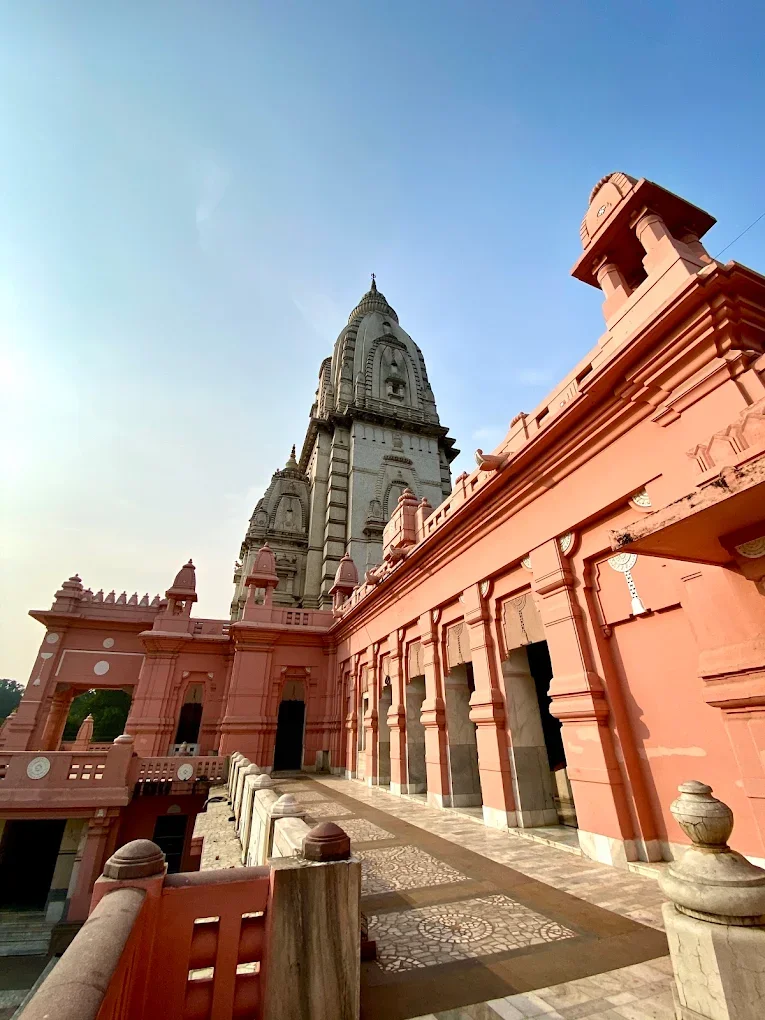
The outer walls of the temple are intricately carved with religious symbols, floral patterns, and sacred inscriptions. One of the most unique architectural aspects is the engraving of verses from the Bhagavad Gita, Upanishads, and other Hindu scriptures on the marble walls. These inscriptions transform the temple into a space of learning as well as worship.
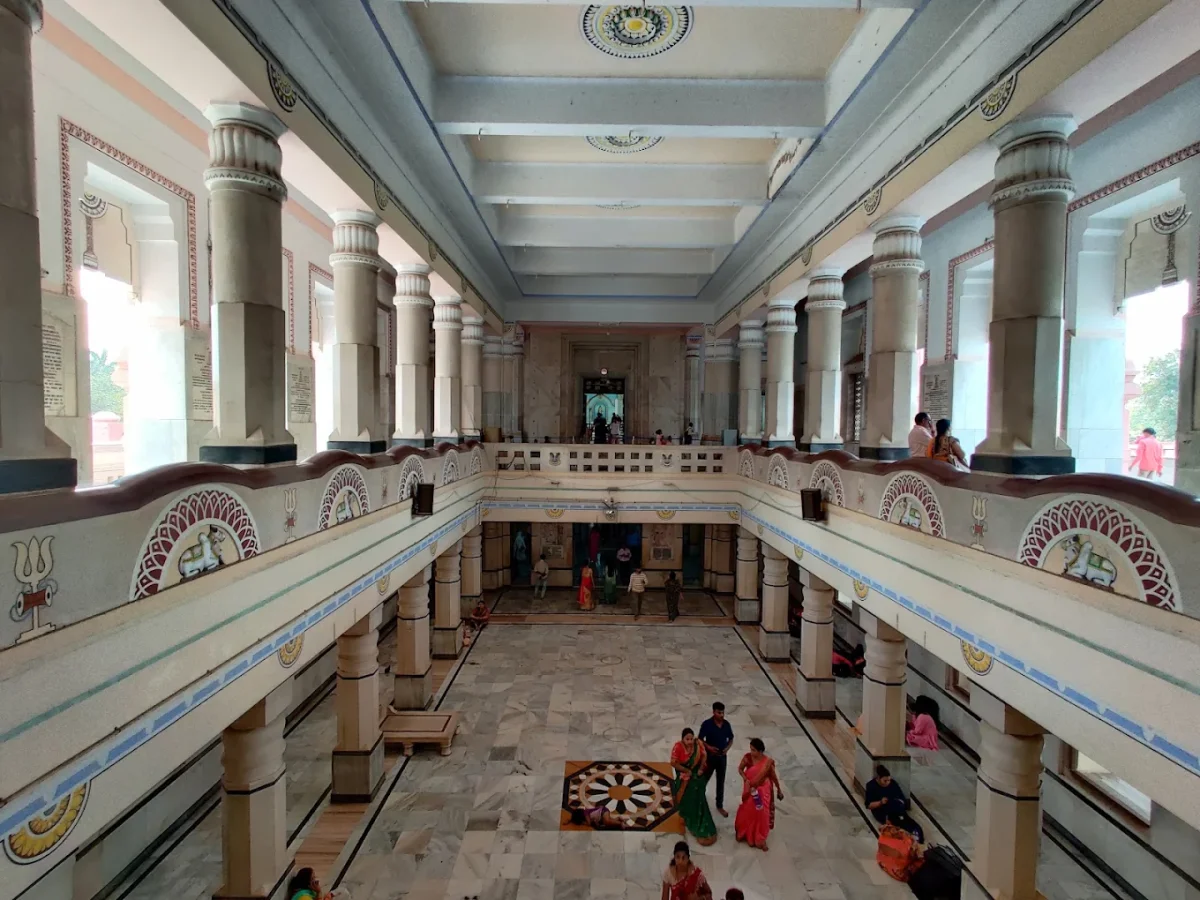
The garbhagriha (sanctum sanctorum) houses the Shiva Lingam, the central object of worship. The inner layout follows traditional Hindu temple design, allowing natural light and air to enhance the calm and meditative atmosphere. The interiors are simple yet spiritually powerful, focusing attention on devotion rather than ornamentation.
Surrounding the main shrine are open corridors and spacious pathways, designed to accommodate large gatherings during festivals and daily prayers. The temple is surrounded by landscaped gardens, which complement its architectural harmony and provide a peaceful environment for visitors.
Overall, the architecture of the BHU VT Birla Temple represents a perfect balance between tradition, spirituality, and education. Its grand design, symbolic elements, and sacred inscriptions make it one of the most architecturally significant temples in Varanasi and an iconic structure of Banaras Hindu University.
Festivals & Events
The BHU VT Birla Temple (Shri Vishwanath Mandir) is a vibrant center of religious and cultural celebrations throughout the year. Various Hindu festivals and spiritual events are observed here with great devotion, attracting students, devotees, and visitors from across the country.
Mahashivratri
Mahashivratri is the most important festival celebrated at the BHU VT Birla Temple. Dedicated to Lord Shiva, the festival witnesses special prayers, Rudrabhishek, and continuous chanting of mantras. Thousands of devotees visit the temple on this auspicious day, making it one of the biggest religious events on the BHU campus.
Shravan Month Celebrations
During the holy Shravan (Sawan) month, the temple becomes a major center of Shiva worship. Devotees offer water, milk, and bel leaves to the Shiva Lingam. Mondays of Shravan (Shravan Somvar) are especially significant and draw large crowds.
Kartik Purnima
Kartik Purnima is celebrated with devotion and spiritual activities. The temple is beautifully decorated, and special aartis are performed, creating a peaceful and divine atmosphere.
Diwali
Diwali, the festival of lights, is celebrated with illumination of the temple premises. Lamps and decorative lights enhance the beauty of the temple, symbolizing the victory of light over darkness.
Guru Purnima
On Guru Purnima, devotees pay respect to spiritual teachers and gurus. The festival holds special importance in an academic environment like BHU, emphasizing the bond between knowledge and spirituality.
Religious Discourses & Cultural Events
The temple also hosts religious discourses, bhajans, kirtans, and spiritual talks, especially during festivals and auspicious occasions. These events promote moral values, cultural awareness, and spiritual growth among students and visitors.
University-Related Spiritual Events
During important BHU ceremonies and cultural occasions, the temple serves as a spiritual focal point for prayers and rituals, reflecting its integral role in university life.
Visitor Tips
- Best Time to Visit: Early morning or evening for a peaceful experience.
- Festivals: Expect heavy crowds during Mahashivratri and Shravan month.
- Dress Code: Wear modest and respectful clothing.
- Footwear: Remove shoes before entering the temple.
- Photography: Allowed outside; restricted inside the sanctum.
- Behavior: Maintain silence and follow temple rules.
- Accessibility: Easily accessible within the BHU campus.
- Weather Tip: Summers are hot; winters are ideal for visiting.
More Attractions in Varanasi
Discover other amazing places to visit

Annapurna Devi Temple
A sacred temple in Varanasi dedicated to Goddess Annapurna, symbolizing food, nourishment, and prosperity
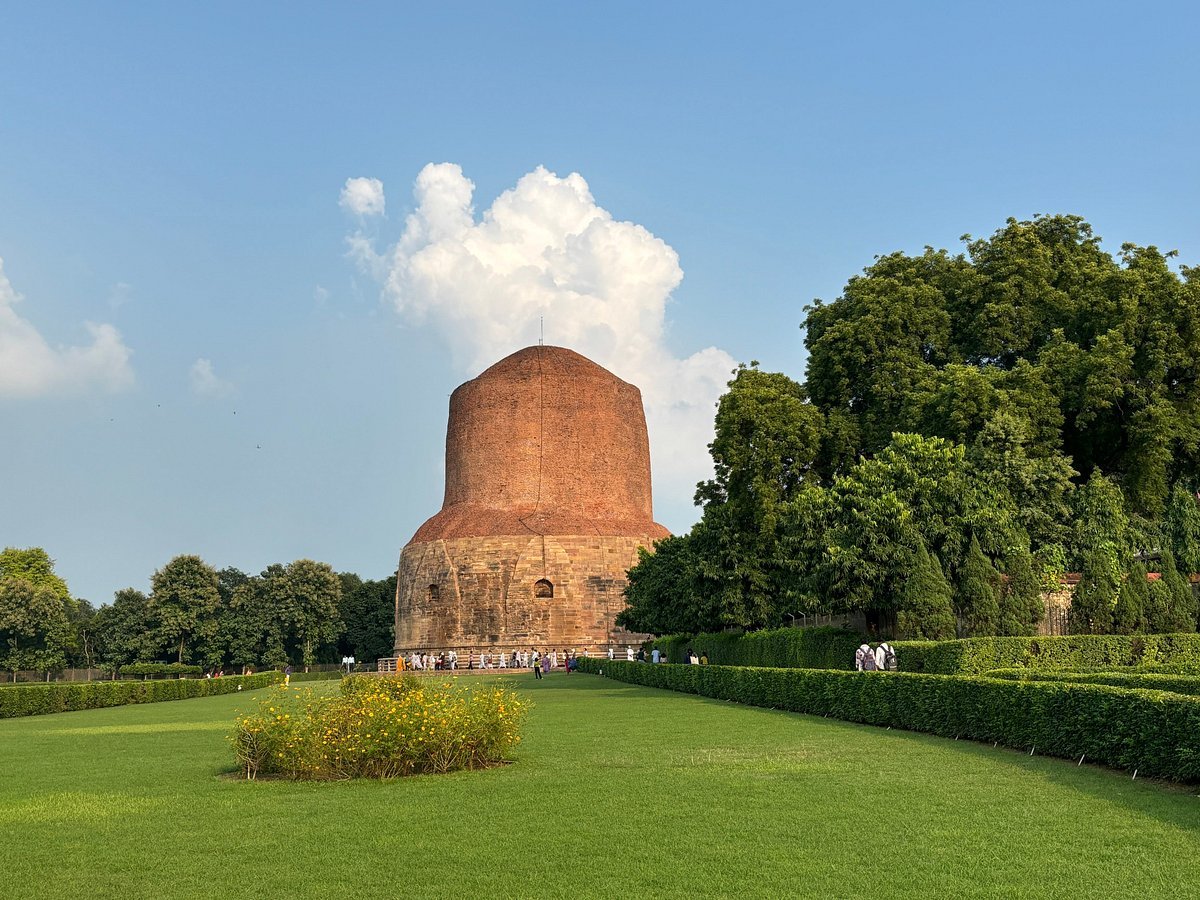
Sarnath
A sacred Buddhist pilgrimage site where Lord Buddha gave his first sermon, located near Varanasi
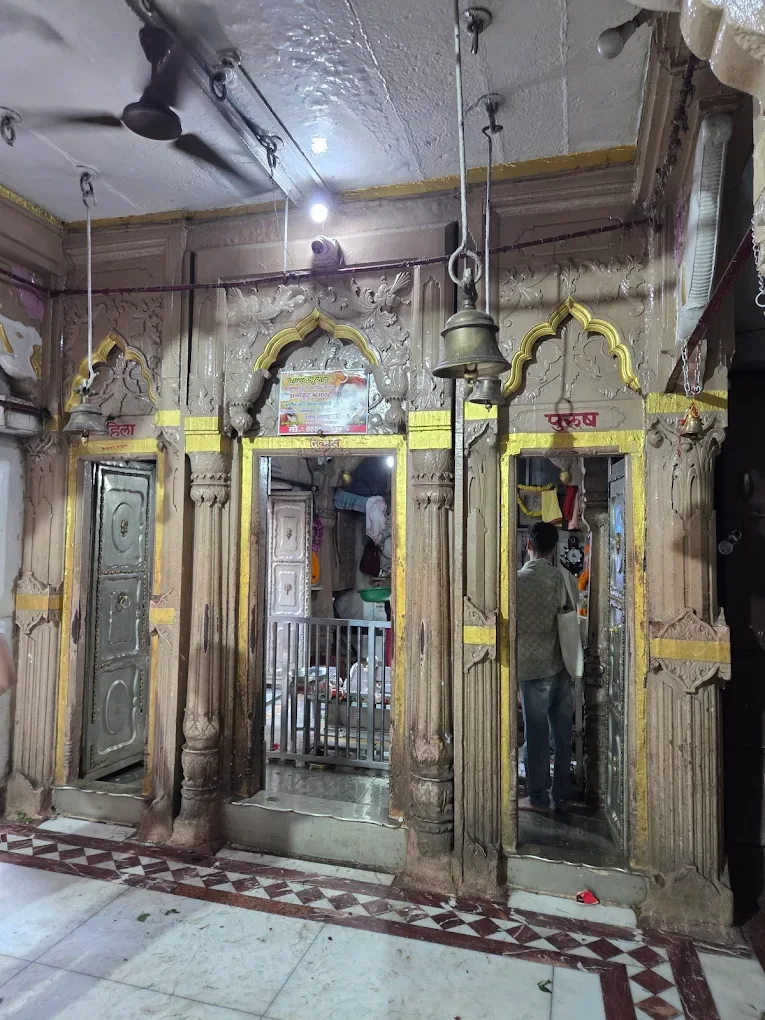
Mrityunjay Mahadev Mandir Varanasi
A powerful Shiva temple associated with healing and the Mahamritunjay Mantra.
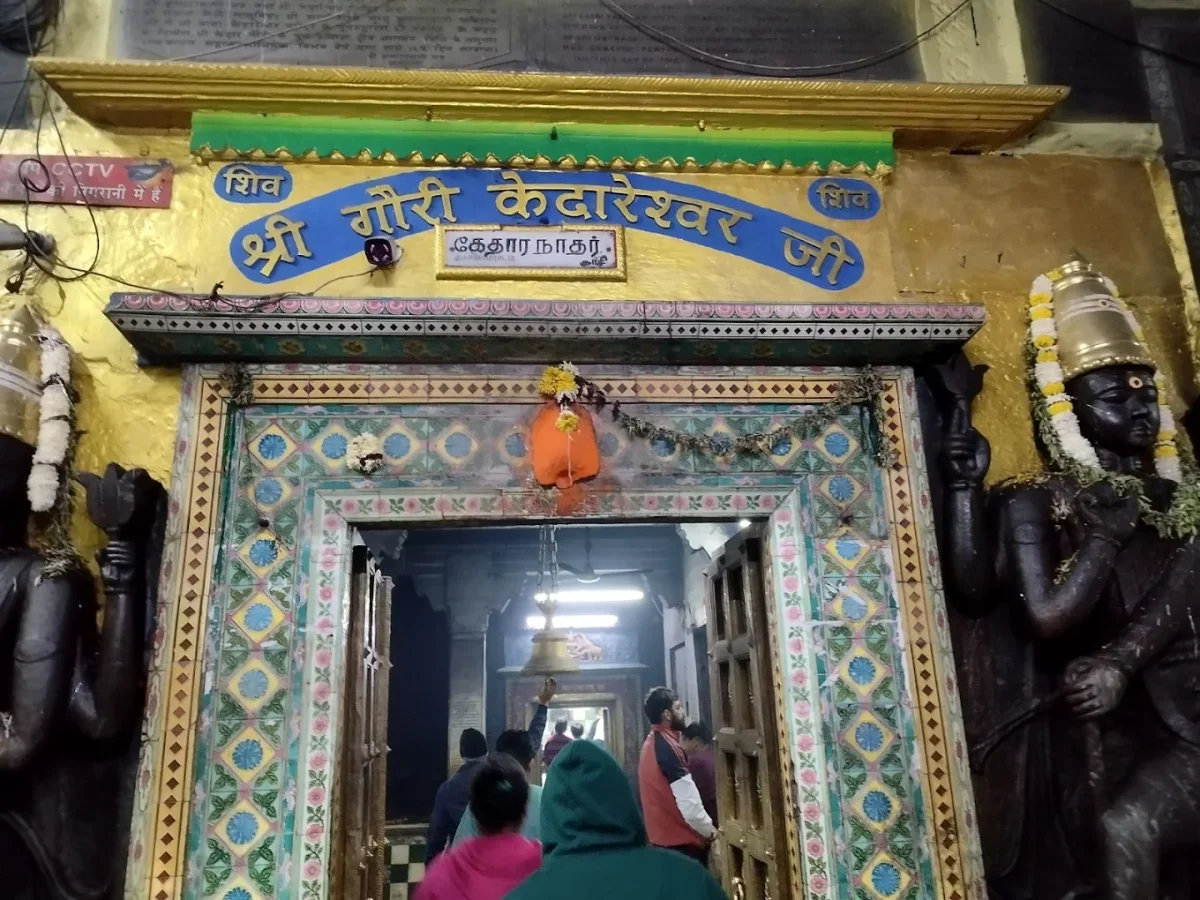
Shree Gauri Kedareshwar Mandir (Dwadash Jyotirling Kashi Khand)
A sacred Shiva-Parvati temple known for marital harmony and devotion.