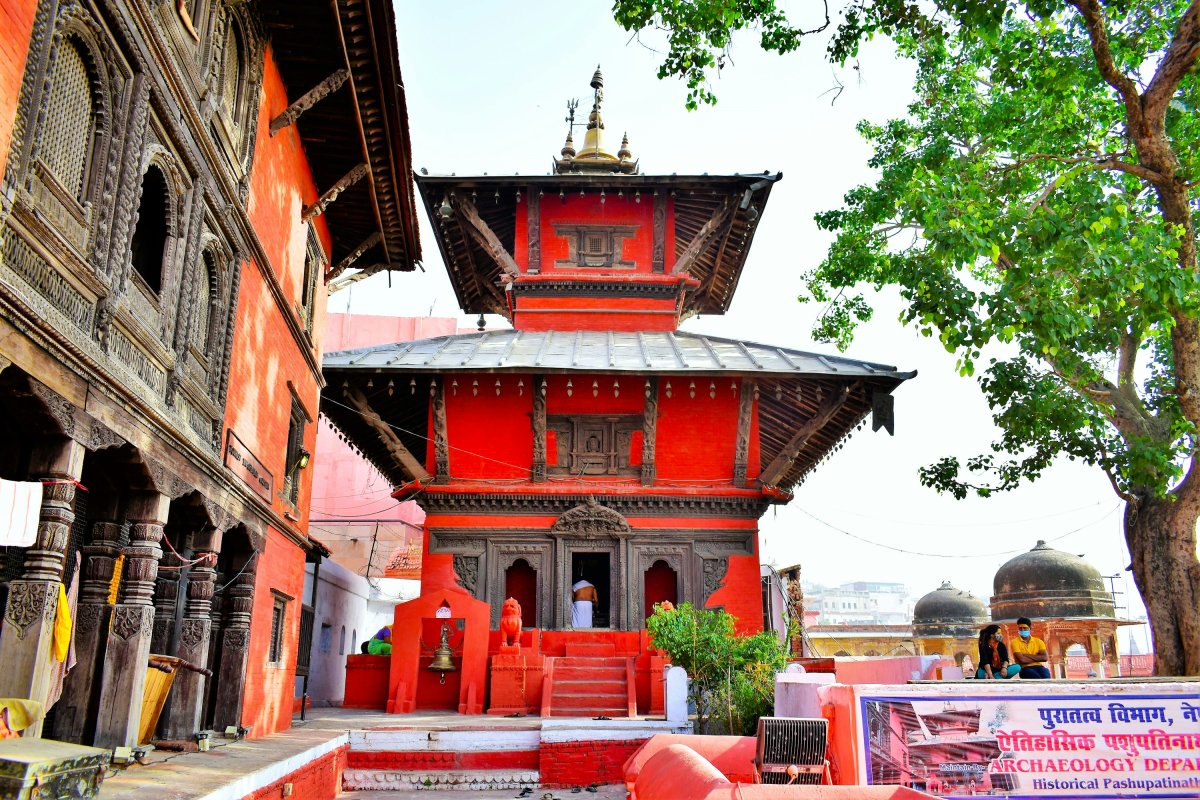
Nepali Temple (Kathwala Temple)
Entry Fee
About This Attraction
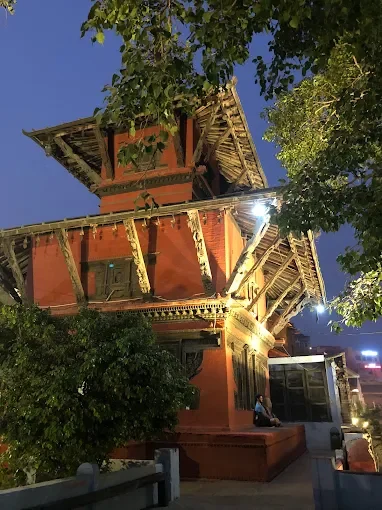
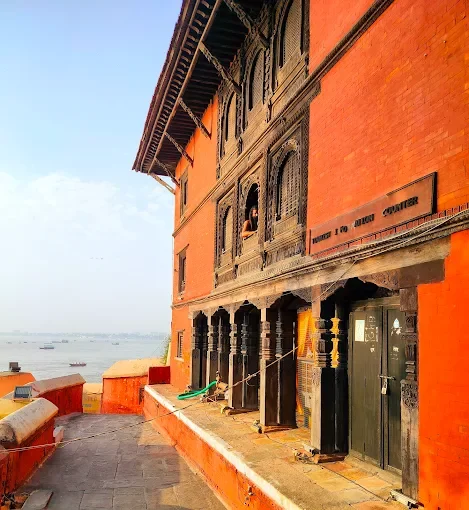
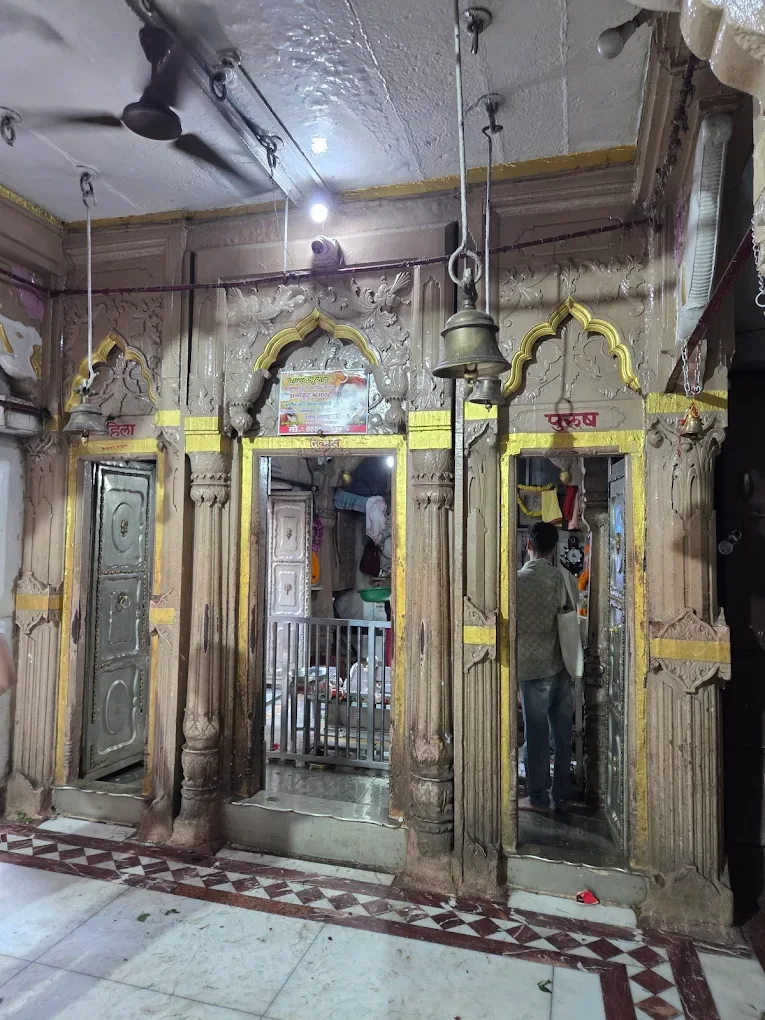
The Nepali Temple, also known as the Kathwala Temple, is a unique and peaceful attraction in Varanasi, dedicated to Lord Shiva. Located near Lalita Ghat, this temple stands out for its distinct Nepali-style wooden architecture, making it different from most temples in the city.
Built by the King of Nepal in the 19th century, the temple is inspired by the famous Pashupatinath Temple of Kathmandu. It is constructed mainly from wood and stone, with beautifully carved wooden pillars, windows, and roof details that reflect traditional Nepali craftsmanship.
The temple offers a calm and less crowded atmosphere, ideal for tourists looking to explore something unique and serene. Its riverside location adds to the charm, allowing visitors to enjoy quiet moments away from the busy ghats.
For tourists, the Nepali Temple is not just a place of worship but also an architectural and cultural landmark, showcasing the historical connection between Varanasi and Nepal. It is a perfect stop for travelers interested in heritage, architecture, and peaceful spiritual spaces.
Photo Gallery
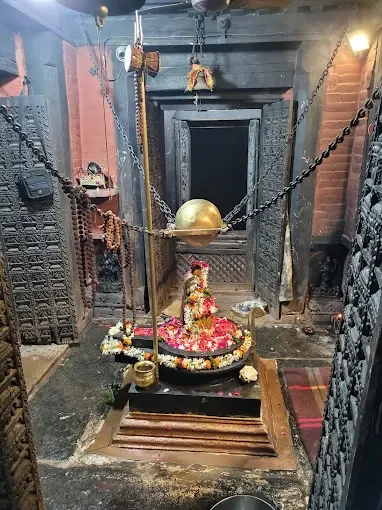
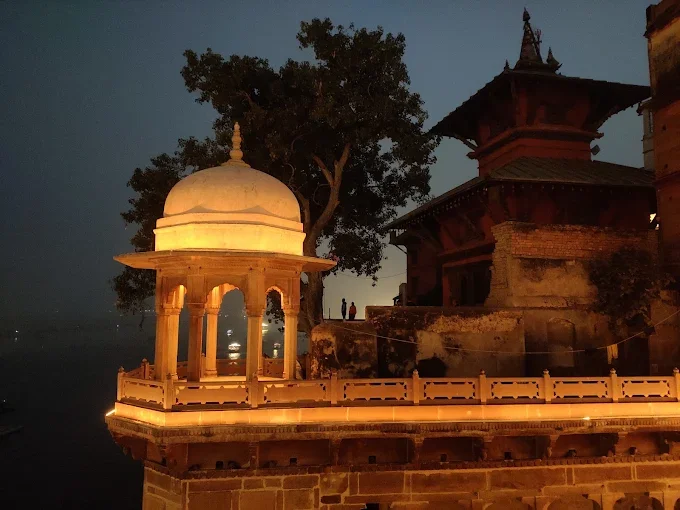
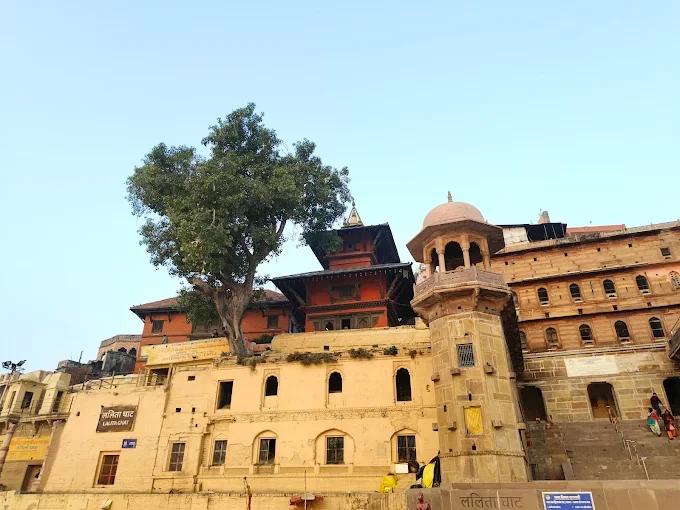
Highlights
- Dedicated to Lord Shiva: A sacred Shiva temple with strong spiritual importance.
- Unique Nepali Architecture: Built entirely in traditional Nepali wooden style, rare in Varanasi.
- Inspired by Pashupatinath Temple: Reflects architectural influence from Kathmandu’s famous shrine.
- Intricate Wood Carvings: Beautifully carved pillars, windows, and roof details.
- Peaceful & Less Crowded: Ideal for tourists seeking a calm and quiet temple experience.
- Riverside Location: Situated near Lalita Ghat, close to the Ganga.
- Cultural Connection: Symbolizes the historical and cultural ties between Nepal and Varanasi.
The Nepali Temple is a must-visit for tourists who enjoy architecture, heritage, and serene spiritual spaces.
History
The Nepali Temple, also known as the Kathwala Temple, was built in the 19th century by the King of Nepal as a symbol of the long-standing spiritual and cultural connection between Nepal and Varanasi. The temple was constructed as a tribute to Lord Shiva and is inspired by the famous Pashupatinath Temple in Kathmandu.
Historically, Varanasi has been an important pilgrimage center for Nepalese devotees of Shiva. To strengthen this sacred bond, the Nepali ruler commissioned this temple near Lalita Ghat, using traditional Nepali design and craftsmanship.
Over time, the temple became known for its distinct wooden construction, which is why locals began calling it Kathwala Temple (kath meaning wood). Today, it stands as a unique historical landmark, reminding visitors of the deep religious ties between the Himalayan region and the holy city of Kashi.
For tourists, the history of the Nepali Temple adds cultural depth to their visit, showcasing how Varanasi has long been a shared spiritual center across regions and borders.
Architecture
The Nepali Temple, also known as Kathwala Temple, is famous for its distinct Nepali-style architecture, which is rarely seen in Varanasi. Unlike the stone and marble temples of the city, this temple is built mainly from wood and stone, giving it a unique character.
The design is inspired by the Pashupatinath Temple of Kathmandu, featuring multi-tiered sloping roofs, finely carved wooden pillars, windows, and beams. These detailed wood carvings reflect traditional Newari craftsmanship, showcasing excellent artistry and precision.
The temple structure is simple yet elegant, with an open layout that creates a calm and peaceful atmosphere. The natural wooden finish blends beautifully with the surroundings, especially due to its location near the Ganga.
For tourists, the architecture of the Nepali Temple offers a rare visual and cultural experience, making it an ideal spot for those interested in heritage, craftsmanship, and architectural diversity in Varanasi.
Festivals & Events
The Nepali Temple is mainly known for its peaceful atmosphere, but it becomes spiritually vibrant during festivals dedicated to Lord Shiva, offering tourists a calm yet meaningful experience.
- Mahashivratri: The most important festival celebrated here. Devotees gather to offer prayers to Lord Shiva, creating a deeply devotional atmosphere.
- Shravan Month (July–August): During this holy month, Shiva devotees visit the temple in large numbers to perform special prayers and rituals.
- Monday Worship (Shravan Somvar): Mondays are considered especially sacred for Lord Shiva, attracting regular worshippers.
- Special Nepalese Observances: On certain occasions, Nepalese devotees visit the temple, reflecting the cultural link between Nepal and Varanasi.
For tourists, visiting the Nepali Temple during these events provides a serene spiritual experience and a chance to witness traditional Shiva worship in a unique architectural setting.
Visitor Tips
- Visit in the Morning or Evening: These times are peaceful and ideal for enjoying the temple’s calm atmosphere.
- Dress Modestly: Respectful clothing is recommended as it is an active place of worship.
- Observe the Wood Carvings Closely: Take time to admire the intricate Nepali-style wooden architecture.
- Maintain Silence: The temple is known for its quiet and serene environment.
- Combine with Nearby Ghats: Easily visit Lalita Ghat and nearby riverfront areas in the same trip.
- Avoid Touching Wooden Structures: Helps preserve the delicate woodwork.
- Allow 20–30 Minutes: Enough time to explore and enjoy the surroundings.
Frequently Asked Questions
Shri Samrajeswar Pashupatinath Mahadev Mandir is a historic Lord Shiva temple in Varanasi, popularly known as the Nepali Mandir, Kanthwala Mandir, and Mini Khajuraho due to its exquisite wood and stone carvings.
The temple is called the Nepali Mandir because it was built by the King of Nepal and follows traditional Nepali pagoda-style architecture, similar to temples found in Kathmandu.
The temple is located near Lalita Ghat, close to the Kashi Vishwanath Temple area, on the banks of the sacred Ganga River in Varanasi.
The temple is nicknamed Mini Khajuraho because of its intricately carved erotic and mythological sculptures, which resemble the famous carvings of Khajuraho temples.
The main deity worshipped here is Lord Shiva, revered in the form of Pashupatinath, symbolizing the protector of all living beings.
Shri Samrajeswar Pashupatinath Mahadev Mandir is considered one of the oldest temples in Varanasi, reflecting strong cultural and spiritual ties between Nepal and Kashi.
The temple is generally open:
- Morning: 6:00 AM – 12:00 PM
- Evening: 4:00 PM – 9:00 PM
- Timings may vary on Mondays, festivals, and during special pujas.
No, there is no entry fee. The temple is open to all devotees and tourists free of cost.
The best time to visit is:
- October to March (pleasant weather)
- Early morning or evening for peaceful darshan
- Festivals like Mahashivratri and Shravan month attract many devotees.
Photography is usually allowed outside the temple premises, but it may be restricted inside. Visitors should follow local guidelines and respect temple rules.
Yes, but the temple is located in old city lanes near the ghats, which may involve walking. Comfortable footwear and assistance during peak hours are recommended.
Tourists should visit this temple to:
- Experience unique Nepali architecture
- Witness rare temple carvings
- Explore an important yet less-crowded spiritual site of Kashi
More Attractions in Varanasi
Discover other amazing places to visit

Annapurna Devi Temple
A sacred temple in Varanasi dedicated to Goddess Annapurna, symbolizing food, nourishment, and prosperity
Sarnath
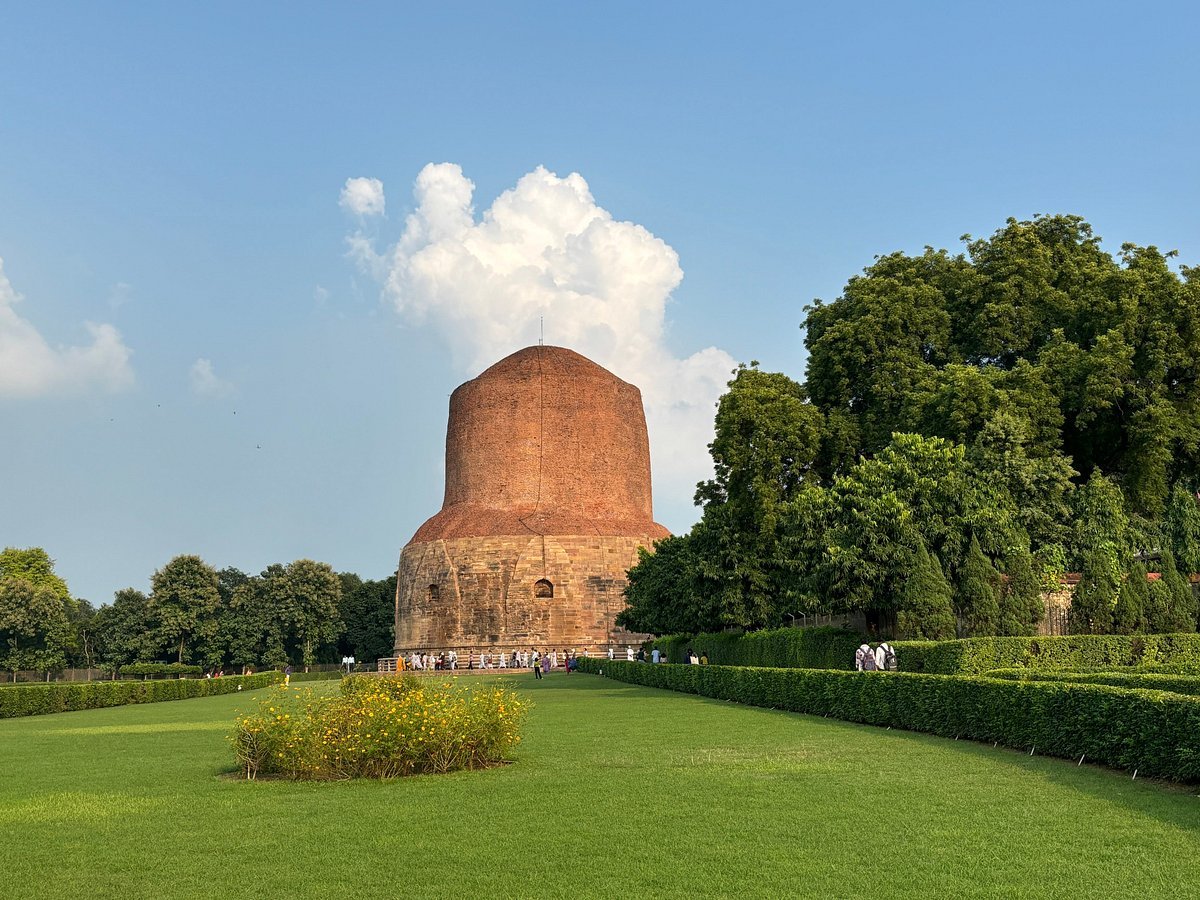
A sacred Buddhist pilgrimage site where Lord Buddha gave his first sermon, located near Varanasi
BHU Vishwanath Temple (Birla Temple)
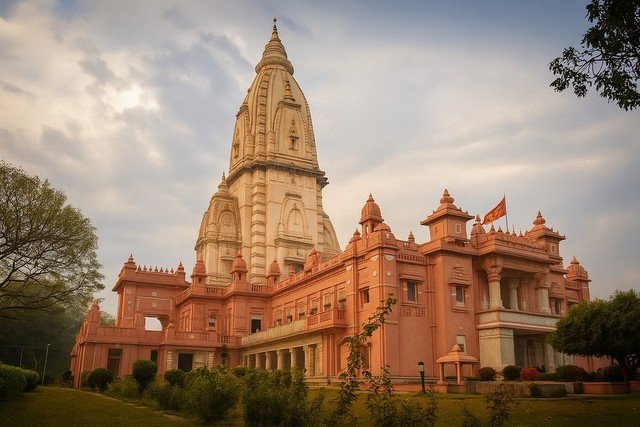
A grand modern Shiva temple located inside BHU campus.
Mrityunjay Mahadev Mandir Varanasi
A powerful Shiva temple associated with healing and the Mahamritunjay Mantra.