Manikarnika Ghat
Entry Fee
About This Attraction
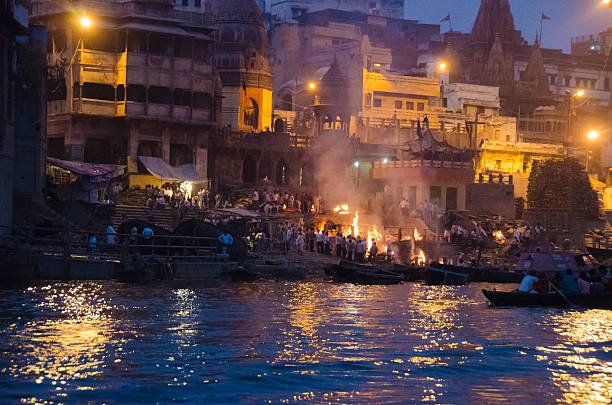
Manikarnika Ghat is one of the most important and ancient ghats in Varanasi (Kashi). Known as the main cremation ghat of the city, it holds deep spiritual meaning in Hinduism and offers visitors a powerful insight into the beliefs surrounding life, death, and liberation.
Spiritual Significance
Manikarnika Ghat is believed to be the place where Lord Shiva and Goddess Parvati rested. According to legend, an earring (Manikarnika) of Goddess Parvati fell here, giving the ghat its name. Hindus believe that cremation at Manikarnika Ghat grants moksha (freedom from the cycle of rebirth), making it one of the most sacred places in India.
Eternal Funeral Fires
The ghat is famous for its continuously burning funeral pyres, which have been lit for centuries. Witnessing the rituals helps tourists understand the Hindu philosophy of death as a natural part of life, not something to be feared.
Manikarnika Kund
Near the ghat is the Manikarnika Kund, a sacred water tank believed to be the source of the fire used for cremations. It adds to the religious importance of the site.
Cultural Experience for Tourists
Visiting Manikarnika Ghat is a deeply moving and educational experience. While photography is discouraged out of respect, observing the rituals quietly offers a unique perspective on Varanasi’s timeless traditions.
Visitor Tips
- Visit with respect and sensitivity
- Avoid photography during cremations
- Early morning is less crowded
- Local guides can help explain rituals and beliefs
Why Visit Manikarnika Ghat
Manikarnika Ghat is not about sightseeing alone—it is about understanding the spiritual soul of Varanasi. For tourists seeking an authentic and meaningful experience, this ghat reveals why Kashi is considered the city of liberation.
If you want, I can also write
Highlights
Manikarnika Ghat is one of the most sacred and powerful places in Varanasi. It offers tourists a rare chance to understand the spiritual beliefs and traditions of Hinduism in their purest form.
- Main Cremation Ghat of Varanasi: Known as the most important cremation ghat, where funeral rituals take place day and night.
- Belief of Moksha: It is believed that those cremated here attain moksha (liberation from rebirth).
- Eternal Funeral Fires: The funeral pyres have been burning continuously for centuries, symbolizing the cycle of life and death.
- Manikarnika Kund: A sacred water tank believed to be the source of the holy fire used in cremations.
- Mythological Importance: Associated with Lord Shiva and Goddess Parvati, adding deep religious value.
- Authentic Cultural Experience: Offers tourists a deep insight into Hindu rituals and the philosophy of life, death, and salvation.
Manikarnika Ghat is a must-visit for travelers who want to experience the true spiritual essence of Varanasi, beyond typical sightseeing.
History
Manikarnika Ghat is one of the oldest and most sacred ghats in Varanasi, with a history that goes back thousands of years. It has been an important spiritual site since ancient times and is closely linked with Hindu beliefs about death and salvation.
According to Hindu mythology, Lord Shiva and Goddess Parvati once rested here. It is believed that an earring (Manikarnika) of Goddess Parvati fell at this spot, which gave the ghat its name. Ancient texts like the Kashi Khanda of the Skanda Purana mention Manikarnika Ghat as a powerful place where the soul can attain moksha.
Historically, Manikarnika Ghat developed as the main cremation ground of Kashi. For centuries, people from all parts of India have brought their loved ones here, believing that cremation at this ghat frees the soul from the cycle of birth and rebirth.
The ghat also includes the sacred Manikarnika Kund, which is believed to be the source of the holy fire used for cremations. Over time, stone steps, temples, and cremation platforms were built, shaping the ghat into its present form.
Today, Manikarnika Ghat remains unchanged in purpose, standing as a living symbol of Varanasi’s ancient traditions. For tourists, its history offers a deep understanding of why Kashi is known as the City of Liberation.
Festivals & Events
Festivals & Events at Manikarnika Ghat
Manikarnika Ghat is mainly known for its spiritual rituals rather than celebrations, but certain festivals and sacred occasions make the ghat especially significant for pilgrims and tourists.
- Mahashivratri: One of the most important events here. Special prayers and rituals are performed in honor of Lord Shiva, as Manikarnika Ghat is closely associated with him.
- Dev Deepawali: On this auspicious night, the ghat and surrounding areas glow with thousands of lamps, creating a spiritually powerful atmosphere.
- Pitru Paksha: A sacred period when families perform ancestral rites (Pind Daan) for departed souls, making the ghat deeply active with rituals.
- Kartik Purnima: An important holy day marked by ritual bathing and prayers near the ghat.
- Daily Cremation Rituals: Though not a festival, the continuous funeral rites themselves reflect the timeless spiritual practice that defines Manikarnika Ghat.
For tourists, these occasions offer a deeper understanding of Hindu beliefs about life, death, and liberation, making Manikarnika Ghat one of the most meaningful places to experience in Varanasi.
Visitor Tips
- Photography is discouraged
- Maintain respect and silence
- Avoid visiting at night
More Attractions in Varanasi
Discover other amazing places to visit

Annapurna Devi Temple
A sacred temple in Varanasi dedicated to Goddess Annapurna, symbolizing food, nourishment, and prosperity
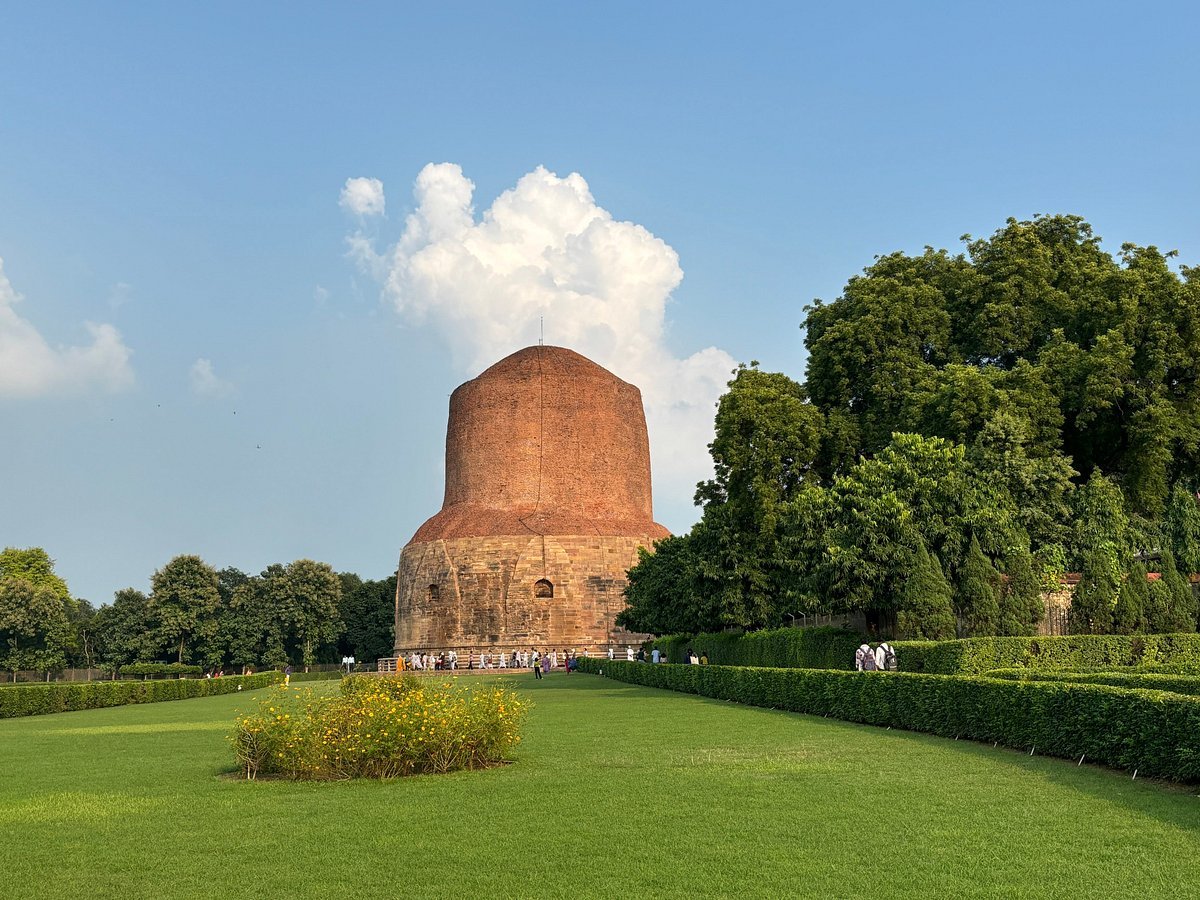
Sarnath
A sacred Buddhist pilgrimage site where Lord Buddha gave his first sermon, located near Varanasi
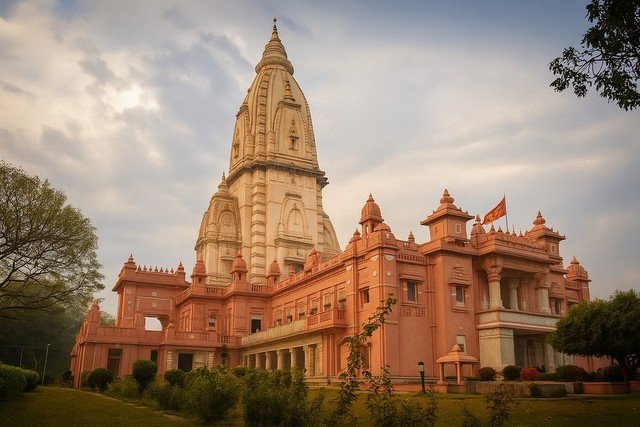
BHU Vishwanath Temple (Birla Temple)
A grand modern Shiva temple located inside BHU campus.
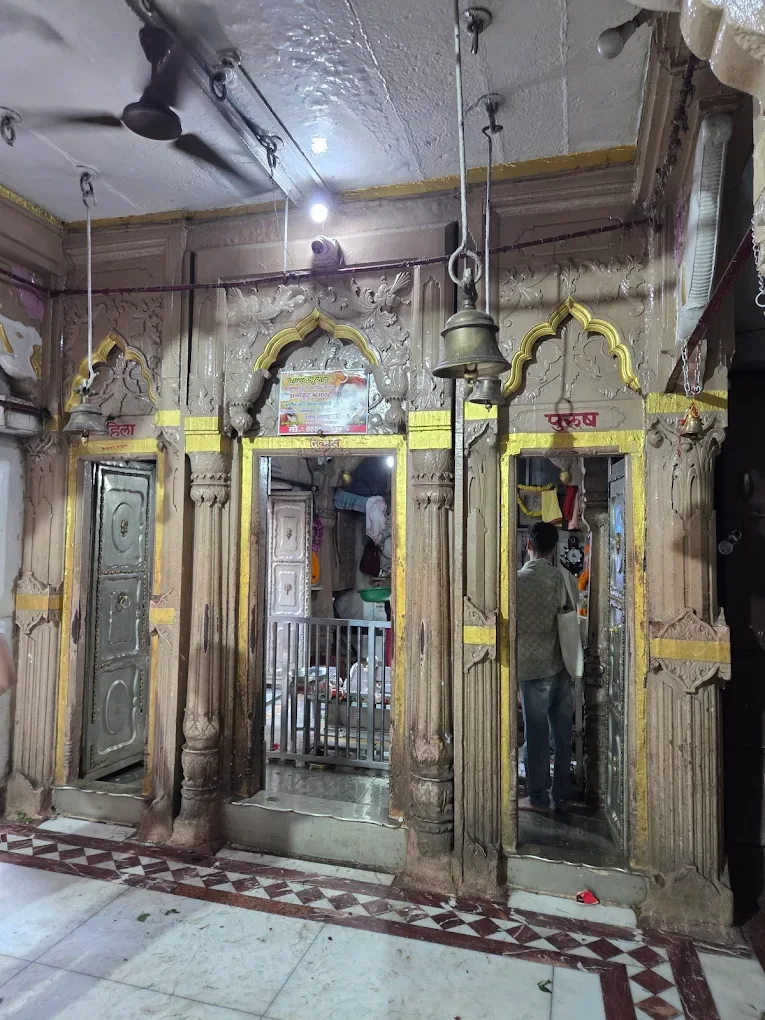
Mrityunjay Mahadev Mandir Varanasi
A powerful Shiva temple associated with healing and the Mahamritunjay Mantra.