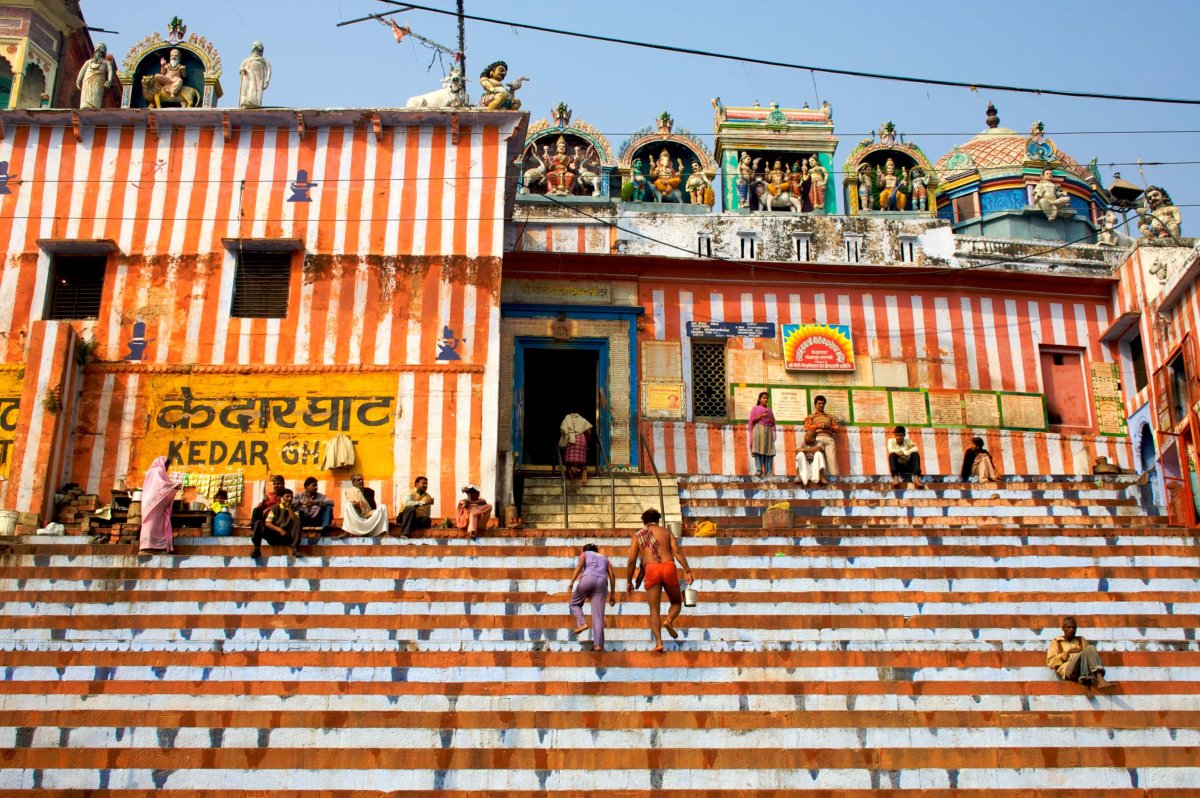
Kedar Ghat
Entry Fee
About This Attraction
Kedar Ghat is one of the most ancient and spiritually significant ghats in Varanasi, dedicated to Lord Shiva. Located between Harishchandra Ghat and Dashashwamedh Ghat, it is an important bathing and worship site, especially popular among devotees from South India.
The ghat is named after Kedarnath, one of the twelve Jyotirlingas of Lord Shiva, and houses the Kedareshwar Temple, where pilgrims perform rituals and prayers. Taking a holy dip at Kedar Ghat is believed to cleanse sins and bring spiritual merit.
Kedar Ghat is easily recognized by its wide stone steps and South Indian-style temples and ashrams, which reflect the strong connection between Varanasi and southern India. Compared to busier ghats, it offers a more organized and less chaotic environment, making it comfortable for tourists.
For visitors, Kedar Ghat provides a balanced experience—spiritual rituals, architectural beauty, and peaceful river views. It is an ideal place to observe daily life along the Ganga and understand the deep-rooted Shiva traditions of Varanasi.
Highlights
- Dedicated to Lord Shiva: Named after Kedarnath, one of the 12 Jyotirlingas.
- Kedareshwar Temple: An important Shiva temple located directly on the ghat.
- Sacred Bathing Spot: Pilgrims believe bathing here brings spiritual purification.
- South Indian Influence: Visible in the temples, ashrams, and visiting devotees.
- Wide Stone Steps: Clean, spacious, and well-organized compared to many other ghats.
- Peaceful Atmosphere: Less crowded, ideal for quiet walks and observation.
- Scenic Ganga Views: Beautiful sunrise and calm riverfront surroundings.
Kedar Ghat is perfect for tourists seeking spirituality, tradition, and a calmer ghat experience in Varanasi.
History
Kedar Ghat has deep roots in the religious and cultural history of Varanasi and is closely associated with the worship of Lord Shiva. The ghat is named after Kedarnath, one of the twelve sacred Jyotirlingas of Shiva, highlighting its long-standing spiritual importance.
Historically, Kedar Ghat developed as a major pilgrimage site, especially for South Indian devotees, who established temples and ashrams in the area over centuries. This explains the strong South Indian architectural and cultural influence visible around the ghat today.
The Kedareshwar Temple, located at the ghat, has been an important center of Shiva worship for generations. Pilgrims traditionally visit Kedar Ghat to perform ritual baths and prayers before proceeding to other holy sites in Varanasi.
Over time, Kedar Ghat became known as a place that blends ancient Shiva traditions with regional diversity, making it a historically rich and spiritually meaningful destination for tourists exploring the ghats of Varanasi.
Architecture
The architecture of Kedar Ghat reflects a unique blend of traditional North Indian ghat design and strong South Indian influences. The ghat is built with wide, well-structured stone steps that descend smoothly into the River Ganga, making it convenient for ritual bathing and daily activities.
A key architectural highlight is the Kedareshwar Temple, which features elements inspired by South Indian temple architecture, including simple yet solid structures and distinct shrine designs. Surrounding the ghat are several South Indian-style ashrams and shrines, giving the area a different visual character compared to many other ghats in Varanasi.
The layout of Kedar Ghat is open, clean, and well-organized, allowing visitors to move comfortably along the riverfront. Its practical design, combined with spiritual structures, creates a balanced environment for both worship and sightseeing.
For tourists, the architecture of Kedar Ghat offers a clear contrast to more crowded ghats, showcasing regional diversity and the enduring architectural traditions connected to Lord Shiva.
Festivals & Events
Kedar Ghat becomes especially vibrant during festivals dedicated to Lord Shiva, offering tourists a deeply spiritual yet organized experience.
- Mahashivratri: The most important festival at Kedar Ghat. Devotees gather at the Kedareshwar Temple for special prayers, abhishek rituals, and night-long worship.
- Shravan Month (July–August): This holy period sees a steady flow of Shiva devotees performing ritual baths and offering prayers at the ghat.
- Shravan Somvar (Mondays): Mondays during the Shravan month are particularly sacred and attract large numbers of worshippers.
- Kartik Purnima: Pilgrims visit the ghat for holy dips and evening prayers, creating a serene festive atmosphere.
For tourists, visiting Kedar Ghat during these events offers a meaningful glimpse into traditional Shiva worship and the devotional rhythm of life along the Ganga.
Visitor Tips
- Visit Early Morning: Ideal time to witness ritual bathing and enjoy a calm spiritual atmosphere.
- Dress Modestly: Especially important if you plan to visit the Kedareshwar Temple.
- Watch Your Steps: Stone steps can be slippery, particularly near the water.
- Respect Local Rituals: Observe ceremonies quietly without disturbing devotees.
- Combine Nearby Ghats: Easily walk to Harishchandra Ghat and Dashashwamedh Ghat.
- Carry Water & Sun Protection: Limited shade during daytime hours.
- Allow 30–45 Minutes: Enough time to explore, relax, and enjoy the river views.
More Attractions in Varanasi
Discover other amazing places to visit

Annapurna Devi Temple
A sacred temple in Varanasi dedicated to Goddess Annapurna, symbolizing food, nourishment, and prosperity
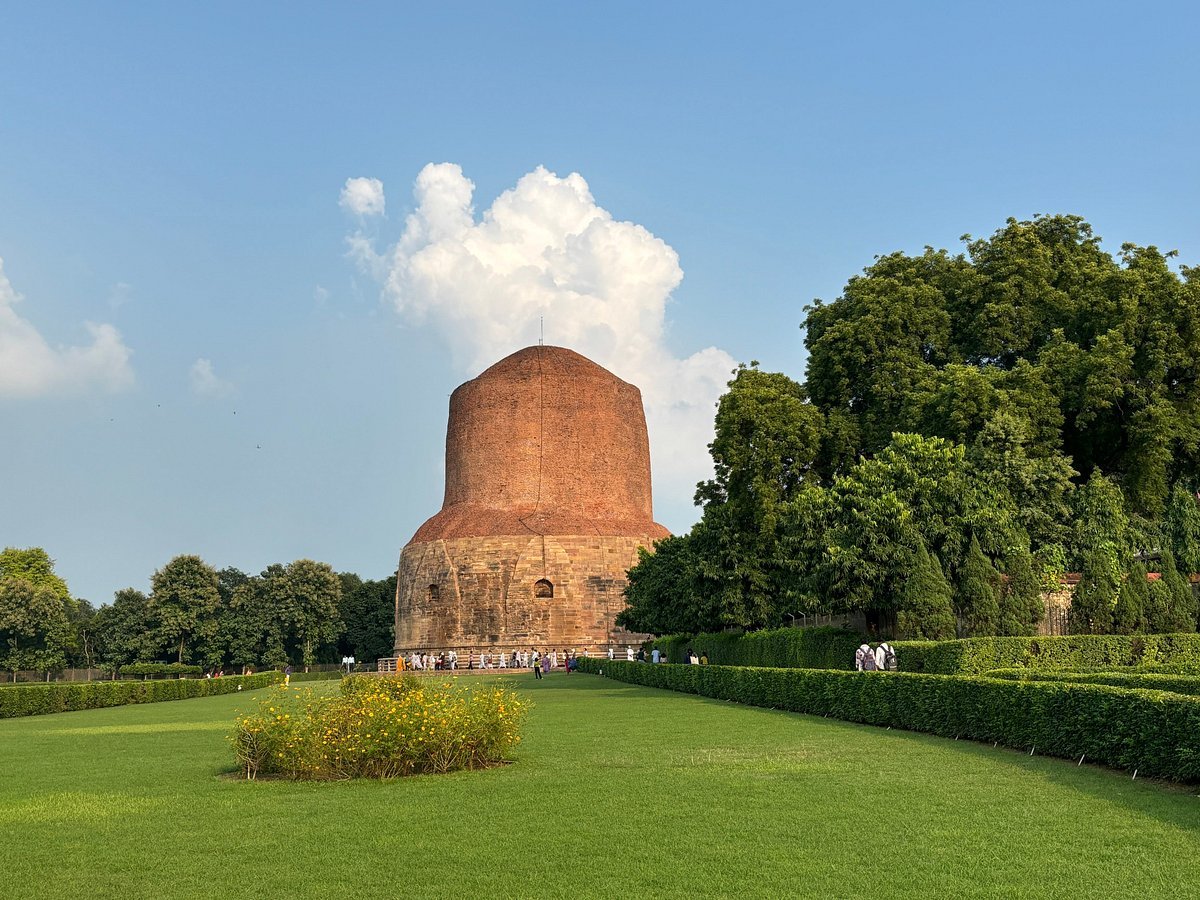
Sarnath
A sacred Buddhist pilgrimage site where Lord Buddha gave his first sermon, located near Varanasi
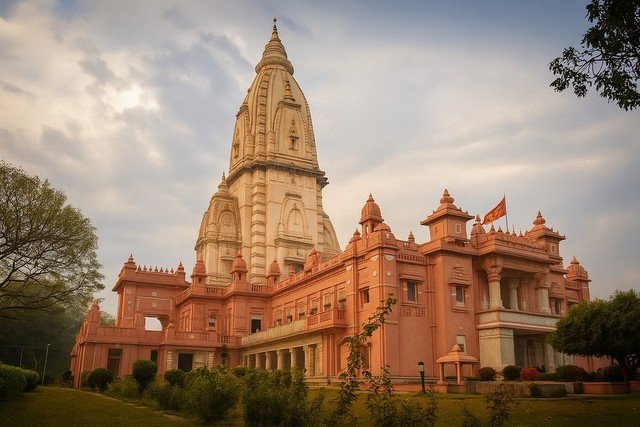
BHU Vishwanath Temple (Birla Temple)
A grand modern Shiva temple located inside BHU campus.
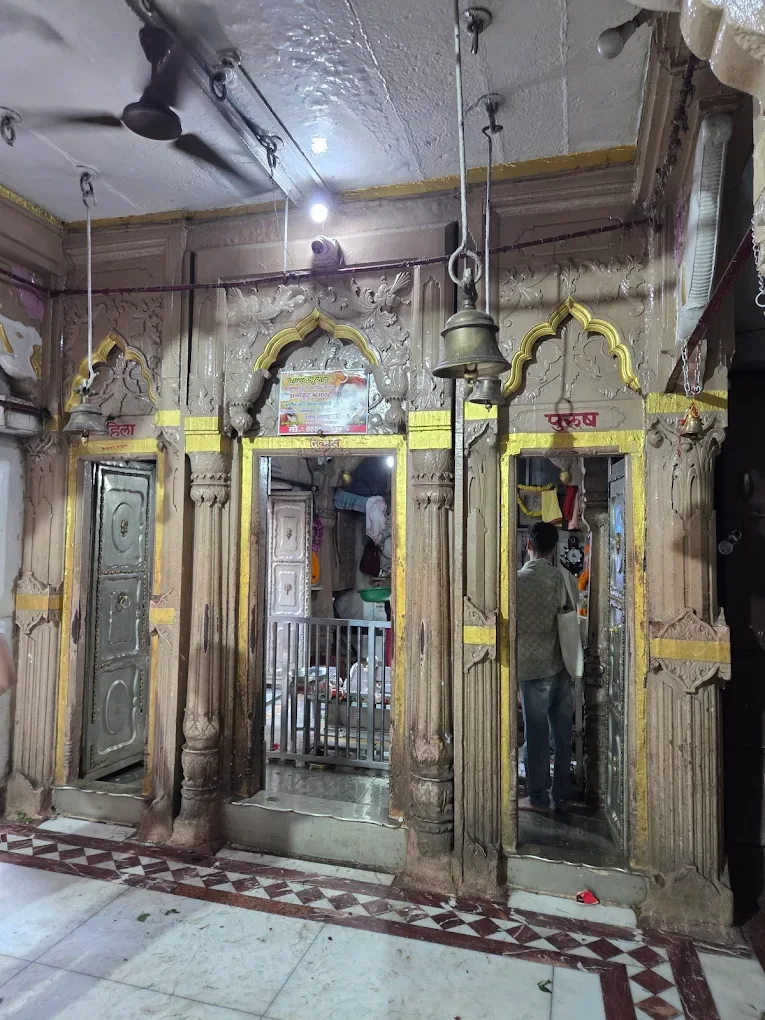
Mrityunjay Mahadev Mandir Varanasi
A powerful Shiva temple associated with healing and the Mahamritunjay Mantra.