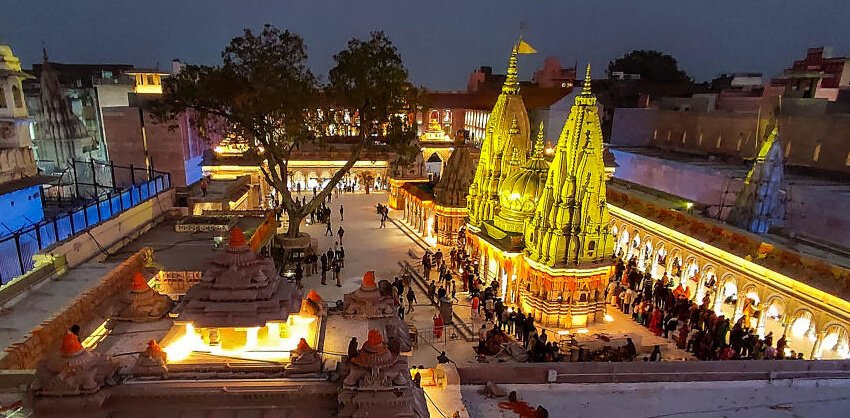
Kashi Vishwanath Temple
Entry Fee
About This Attraction
The Shri Kashi Vishwanath Temple, located in the heart of Varanasi, is one of the most sacred Hindu temples dedicated to Lord Shiva. Revered as one of the 12 Jyotirlingas, this ancient shrine holds unmatched spiritual importance and attracts millions of devotees and travelers from across India and the world every year.
A visit to Kashi Vishwanath is not just temple darshan—it is a deeply transformative spiritual experience that connects faith, history, culture, and the divine energy of Varanasi.
Spiritual Significance of Kashi Vishwanath Temple
According to Hindu beliefs, Kashi (Varanasi) is the eternal city where Lord Shiva himself resides. It is believed that attaining darshan of Kashi Vishwanath Jyotirlinga and performing rituals here helps devotees achieve moksha (liberation from the cycle of birth and death).
Key beliefs associated with the temple:
- Lord Shiva whispers the Taraka Mantra in the ears of devotees at the time of death
- Kashi Vishwanath is considered the spiritual capital of India
- A visit here is often combined with Ganga Snan and ancestral rituals
History & Architecture
The original temple is believed to be thousands of years old and has been rebuilt multiple times due to historical invasions. The present structure was constructed in 1780 by Maharani Ahilyabai Holkar of Indore.
Architectural highlights:
- Gold-plated spire (Shikhara), donated by Maharaja Ranjit Singh
- Traditional Nagara-style temple design
- Silver doors and intricately carved interiors
- Sacred Jyotirlinga enshrined in the sanctum
Kashi Vishwanath Corridor – A Modern Spiritual Marvel
The Kashi Vishwanath Corridor has transformed the pilgrimage experience by creating a seamless spiritual pathway between the temple and the River Ganga.
Benefits for tourists:
- Wide, crowd-managed pathways
- Direct access from Dashashwamedh Ghat
- Spiritual museums, cultural centers & rest areas
- Improved safety, cleanliness & accessibility
This development has made temple visits more comfortable, especially for senior citizens and international tourists.
Darshan Timings & Rituals
Temple Darshan Timings (Approx.)
- Mangala Aarti: Early morning
- General Darshan: Morning to late night
- Special Aartis: Midday & evening
Popular Rituals
- Rudrabhishek
- Maha Rudrabhishek
- Shravan Month special poojas
- Monday & Mahashivratri darshan
Tip: Booking guided darshan through a tour package saves time and avoids long queues.
Best Time to Visit Kashi Vishwanath Temple
- October to March – Pleasant weather, best for sightseeing
- Shravan Month (July–August) – Highly auspicious, very crowded
- Mahashivratri – Grand celebrations, spiritual atmosphere at its peak
Early morning darshan offers a peaceful and divine experience.
Photo Gallery
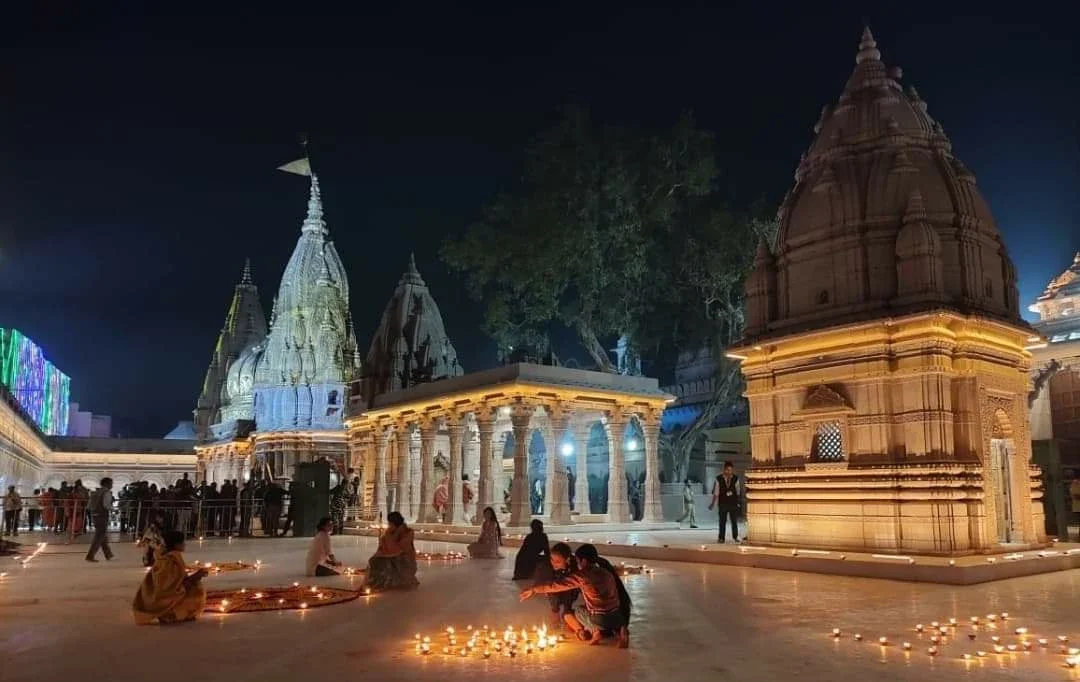
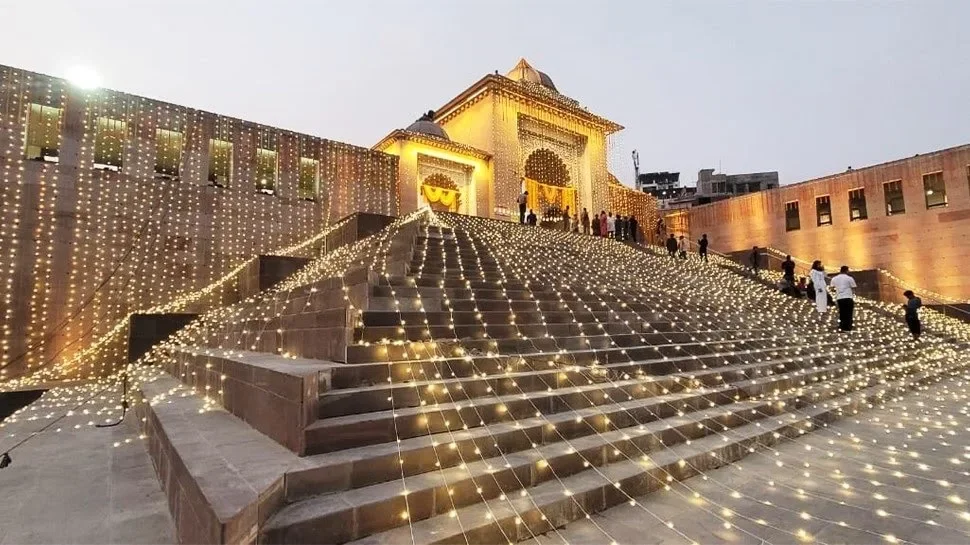
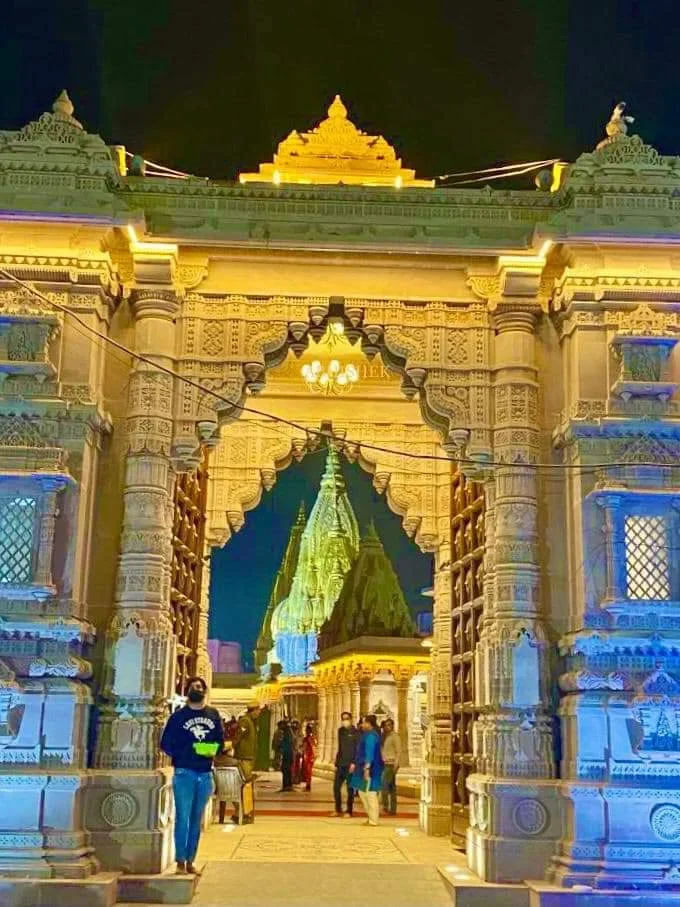
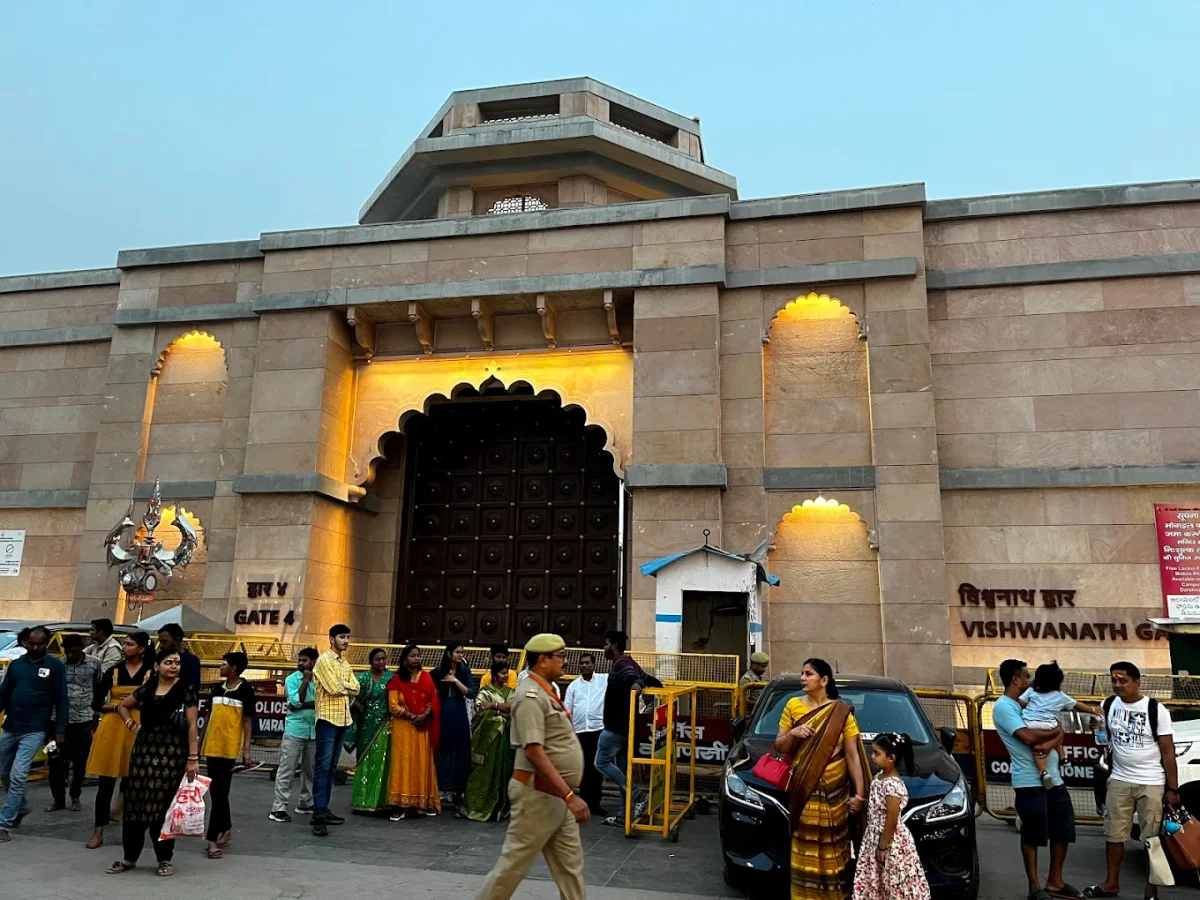
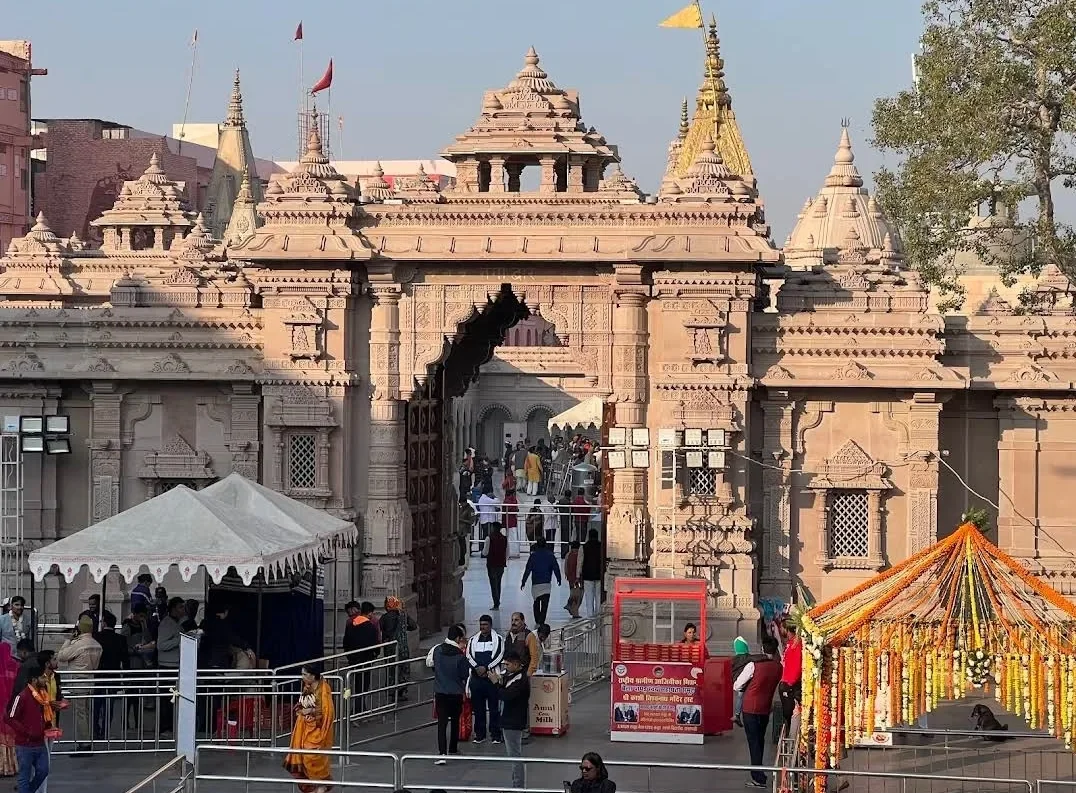
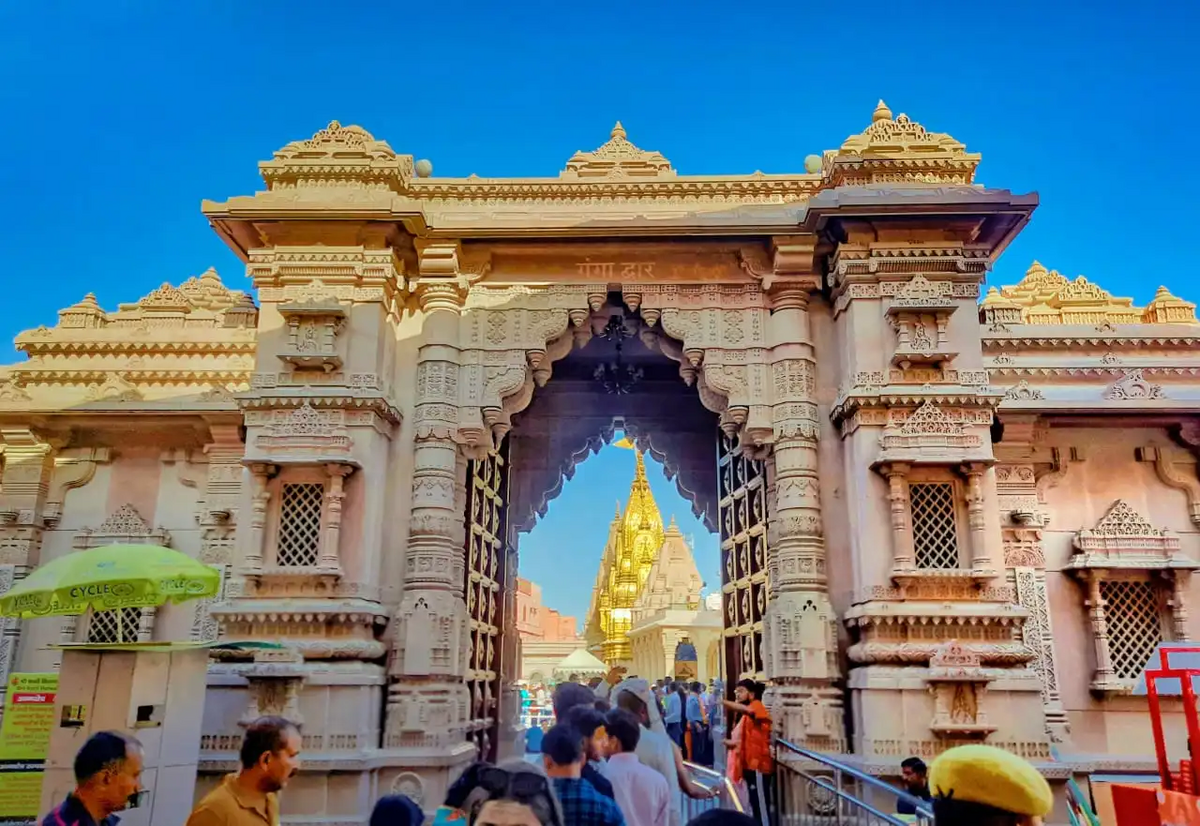
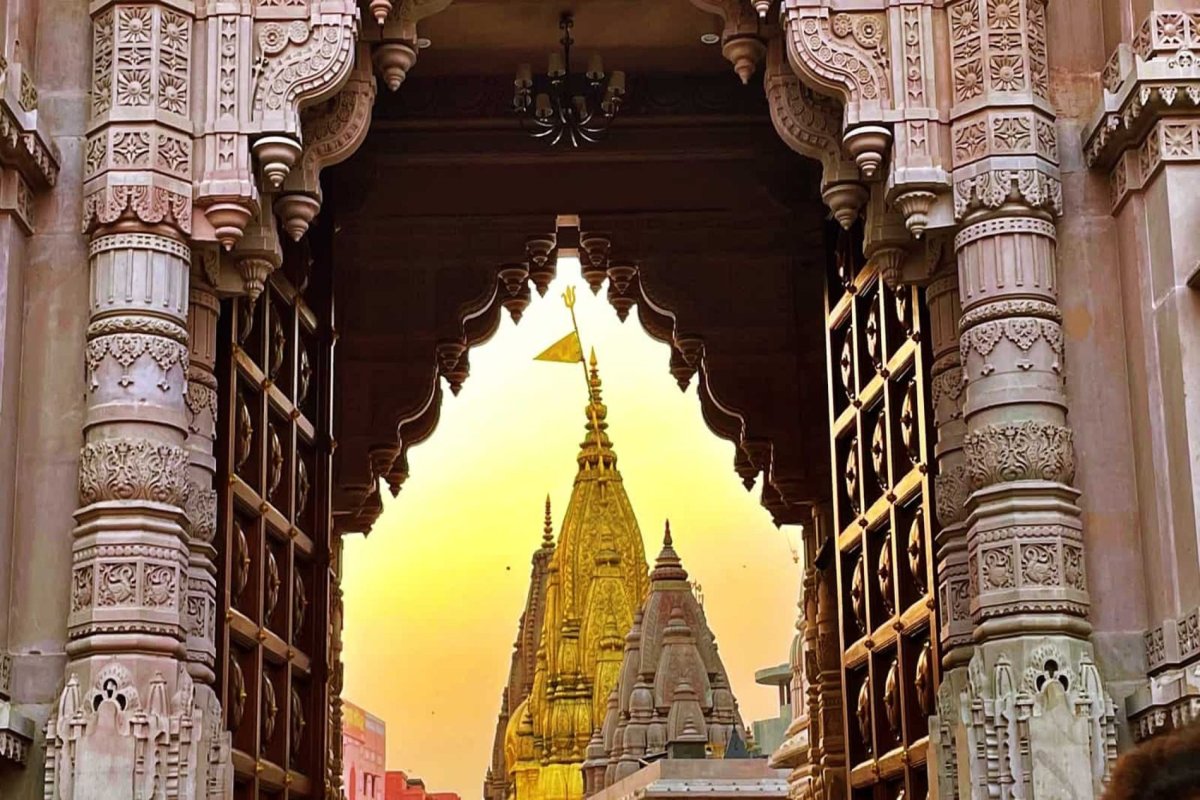
Highlights
The original temple is believed to be thousands of years old and has been rebuilt multiple times due to historical invasions. The present structure was constructed in 1780 by Maharani Ahilyabai Holkar of Indore.
Architectural highlights:
- Gold-plated spire (Shikhara), donated by Maharaja Ranjit Singh
- Traditional Nagara-style temple design
- Silver doors and intricately carved interiors
- Sacred Jyotirlinga enshrined in the sanctum
History
The history of Shri Kashi Vishwanath Temple is not just the story of a temple—it is the story of Sanatan Dharma’s resilience, unwavering devotion to Lord Shiva, and the eternal spiritual identity of Varanasi. Few religious structures in the world have faced repeated destruction yet continued to rise with greater faith and significance.
Origins: The Ancient Temple of Kashi
Ancient Hindu scriptures such as the Skanda Purana, Kashi Khanda, and Shiva Purana describe Kashi as the oldest living city in the world. The original Kashi Vishwanath Temple is believed to have existed long before recorded history, making it one of the earliest centers of Shaivism.
Key historical beliefs:
- Kashi was established by Lord Shiva himself
- The Jyotirlinga existed naturally (Swayambhu)
- The temple served as the spiritual nucleus of ancient Kashi
Archaeological and literary evidence confirms that a grand temple stood here during the Gupta period (4th–6th century CE).
Early Medieval Period: Flourishing Shaiva Center
Between the 7th and 11th centuries:
- The temple gained prominence under Hindu dynasties
- It became a major pilgrimage center for sages, scholars, and kings
- Chinese traveler Xuanzang (Hiuen Tsang) mentions Varanasi as a thriving religious city
The temple complex then was much larger, surrounded by ashrams, schools, and sacred water tanks.
Period of Repeated Destruction (11th–17th Century)
The most turbulent chapter in the temple’s history began with foreign invasions.
First Major Destruction – 1194 CE
- Destroyed by Qutb-ud-din Aibak
- Temple idols were broken
- A mosque was reportedly constructed on or near the site
Reconstruction & Destruction Cycle
- Rebuilt by Hindu rulers multiple times
- Destroyed again during subsequent invasions
Aurangzeb Era – 1669 CE
- Mughal ruler Aurangzeb ordered the demolition of the temple
- The Gyanvapi Mosque was constructed using remnants of the temple
- The sacred Jyotirlinga was secretly moved by priests to protect it
This period symbolizes the greatest test of faith for devotees of Lord Shiva.
Survival Through Devotion: The Jyotirlinga Lives On
Despite destruction:
- Daily worship never completely stopped
- Priests continued rituals in secrecy
- Devotees considered Kashi Vishwanath as Avimukta (never abandoned by Shiva)
This uninterrupted faith ensured the temple’s spiritual continuity even without a grand structure.
Rebirth in the 18th Century: Ahilyabai Holkar’s Contribution
The modern structure of the temple was rebuilt in 1780 CE by Ahilyabai Holkar, the Queen of Indore.
Her contributions:
- Constructed the present temple adjacent to the mosque
- Restored Shaiva rituals
- Re-established Kashi Vishwanath as a pilgrimage center
- Used traditional Nagara architectural principles
Her role is regarded as one of the greatest acts of temple revival in Indian history.
Gold Donation & Sikh Connection
In the early 19th century:
- Ranjit Singh, Maharaja of the Sikh Empire
- Donated large quantities of gold to plate the temple’s Shikhara
- Strengthened Hindu–Sikh spiritual unity
This transformed the temple into the iconic golden landmark seen today.
British Period to Independence
During British rule:
- Temple activities continued under local priestly management
- Restrictions existed but worship remained uninterrupted
- Kashi emerged as a center of spiritual nationalism
Post-independence, the temple came under government administration while maintaining traditional rituals.
21st Century Revival: Kashi Vishwanath Corridor
The most significant modern development occurred with the Kashi Vishwanath Corridor Project.
Historical importance of the corridor:
- Restored ancient temple-to-Ganga connection
- Cleared centuries-old encroachments
- Unearthed historical remnants of old temples
- Preserved and showcased archaeological finds
This project re-established the original sacred geography of Kashi, aligning temple, ghats, and pilgrimage pathways.
Why the History of Kashi Vishwanath Matters to Tourists
For travelers and pilgrims:
- It represents 5,000+ years of living history
- Offers insight into India’s cultural resilience
- Blends mythology, history, archaeology, and devotion
- Makes a Varanasi tour intellectually and spiritually complete
Understanding this history transforms a simple darshan into a deeply meaningful journey.
Architecture
The architecture of Shri Kashi Vishwanath Temple is a powerful reflection of ancient Hindu temple design, spiritual symbolism, and historical resilience. Though modest in size compared to South Indian temples, its architectural strength lies in its spiritual geometry, sacred materials, and symbolic elements, making it one of the most revered temple structures in India.
Nagara-Style Architecture: North India’s Sacred Temple Form
Kashi Vishwanath Temple follows the Nagara style of temple architecture, which is dominant in North India.
Key features of Nagara architecture seen here:
- Tall curvilinear Shikhara (spire)
- Square sanctum (Garbhagriha)
- Minimal yet powerful exterior ornamentation
- Vertical emphasis symbolizing connection between earth and cosmos
This architectural style directs the devotee’s focus upward—towards Lord Shiva, representing spiritual elevation and liberation.
The Shikhara – Gold-Plated Crown of the Temple
The most striking architectural element is the gold-plated Shikhara, which rises above the sanctum and dominates the skyline of old Varanasi.
Architectural significance:
- Coated with approximately 800 kg of gold
- Donated by Maharaja Ranjit Singh in the 19th century
- Represents Mount Kailash, the cosmic abode of Lord Shiva
- Acts as a visual spiritual beacon for devotees across the city
The golden Shikhara glows magnificently during sunrise and sunset, symbolizing divine energy and eternal consciousness.
Garbhagriha (Sanctum Sanctorum) – Core of Divine Geometry
The Garbhagriha is the architectural and spiritual heart of the temple.
Structural highlights:
- Small, dark, inward-focused chamber
- Houses the sacred Jyotirlinga
- Designed to isolate external noise and distractions
- Encourages meditative absorption and devotion
The confined architectural space is intentional—it magnifies the emotional and spiritual intensity of darshan.
Mandapa & Inner Layout Design
Unlike large temple complexes, Kashi Vishwanath Temple follows a compact and layered architectural plan.
Layout includes:
- Entrance Mandapa for devotees
- Transition corridor leading to the sanctum
- Narrow passages reflecting ancient urban temple design
- Stone flooring and load-bearing masonry walls
This close-knit design mirrors the dense spiritual fabric of Varanasi’s old city.
Use of Sacred Materials
The temple architecture uses materials chosen for durability and sanctity:
- Stone masonry for structural strength
- Silver-plated doors at the sanctum entrance
- Gold for Shikhara and ritual finials
- Minimal use of paint—emphasis on natural texture
These materials represent purity, permanence, and divine strength.
Symbolism Embedded in Architecture
Every architectural element has symbolic meaning:
- Vertical spire → union of human soul with cosmic Shiva
- Square sanctum → stability and balance of the universe
- Dark interior → womb of creation (Shiva as Adi Yogi)
- Proximity to Ganga → fusion of Shiva & Shakti energies
The temple’s architecture is not decorative—it is spiritual engineering.
Integration with Kashi Vishwanath Corridor Architecture
The modern Kashi Vishwanath Corridor complements the ancient temple architecture without overpowering it.
Architectural harmony includes:
- Sandstone pathways matching temple tones
- Open courtyards inspired by traditional temple towns
- Visual axis aligned with River Ganga
- Controlled height structures preserving temple dominance
This integration respects heritage while enhancing accessibility and pilgrim flow.
Architectural Comparison: Why Kashi Vishwanath Is Unique
Unlike grand Dravidian temples with massive gopurams, Kashi Vishwanath’s architecture is:
- Spiritually intense rather than visually massive
- Designed for inner transformation, not spectacle
- Embedded within living city life
- Eternally functional despite centuries of reconstruction
This uniqueness makes it architecturally rare and spiritually unmatched.
Why Architecture Lovers Should Visit Kashi Vishwanath
For travelers interested in:
- Ancient Indian temple geometry
- Sacred urban architecture
- Symbolic Hindu design principles
- Heritage conservation with modern planning
Kashi Vishwanath Temple offers an authentic, living architectural experience—not a museum, but a breathing sacred space.
Festivals & Events
Maha Shivaratri, Shravan month celebrations, and daily rituals draw huge crowds.
Visitor Tips
- Dress modestly
- Mobile phones are not allowed inside
- Visit early morning to avoid crowds
Frequently Asked Questions
Kashi Vishwanath Temple is located in Varanasi, Uttar Pradesh, on the western bank of the holy River Ganga, near Dashashwamedh Ghat. It lies inside the Kashi Vishwanath Corridor area.
The temple is one of the 12 Jyotirlingas of Lord Shiva, making it one of the most sacred Hindu temples. It is believed that visiting this temple grants moksha (liberation).
The main deity is Lord Shiva, worshipped here as Vishwanath, meaning “Lord of the Universe.”
General darshan timings are:
- Mangala Aarti: 3:00 AM – 4:00 AM
- Darshan Timing: 4:00 AM – 11:00 PM
Timings may change on festivals and special days.
No, general darshan is free. However, special darshan and aarti tickets are available at additional charges.
Devotees can book Sugam Darshan and Aarti tickets online through the official Shri Kashi Vishwanath Temple Trust website. Online booking helps avoid long queues.
The Kashi Vishwanath Corridor is a grand pathway connecting the temple directly to the River Ganga, providing better access, security, and facilities for pilgrims.
Darshan time may range from 30 minutes to 2 hours, depending on crowd, day, and whether you opt for special darshan.
No, mobile phones, cameras, smartwatches, and electronic items are not allowed inside the temple. Locker facilities are available near the corridor.
There is no strict dress code, but decent and traditional clothing is strongly recommended. Avoid shorts, sleeveless tops, or revealing clothes.
Yes, the corridor provides wheelchairs, ramps, seating areas, and medical help, making it convenient for senior citizens and families.
Common offerings include:
- Milk and water (jal abhishek)
- Bel leaves (bilva patra)
- Flowers, fruits, and prasad
Only authorized vendors’ offerings are allowed inside.
Major festivals include:
- Mahashivratri
- Shravan month
- Dev Deepawali
- Makar Sankranti
During these times, the temple witnesses massive footfall.
Popular nearby attractions include:
- Annapurna Temple
- Vishalakshi Temple
- Dashashwamedh Ghat
- Ganga Aarti
- Manikarnika Ghat
Yes, almost all Varanasi spiritual and pilgrimage tour packages include Kashi Vishwanath Temple as the main highlight.
More Attractions in Varanasi
Discover other amazing places to visit

Annapurna Devi Temple
A sacred temple in Varanasi dedicated to Goddess Annapurna, symbolizing food, nourishment, and prosperity
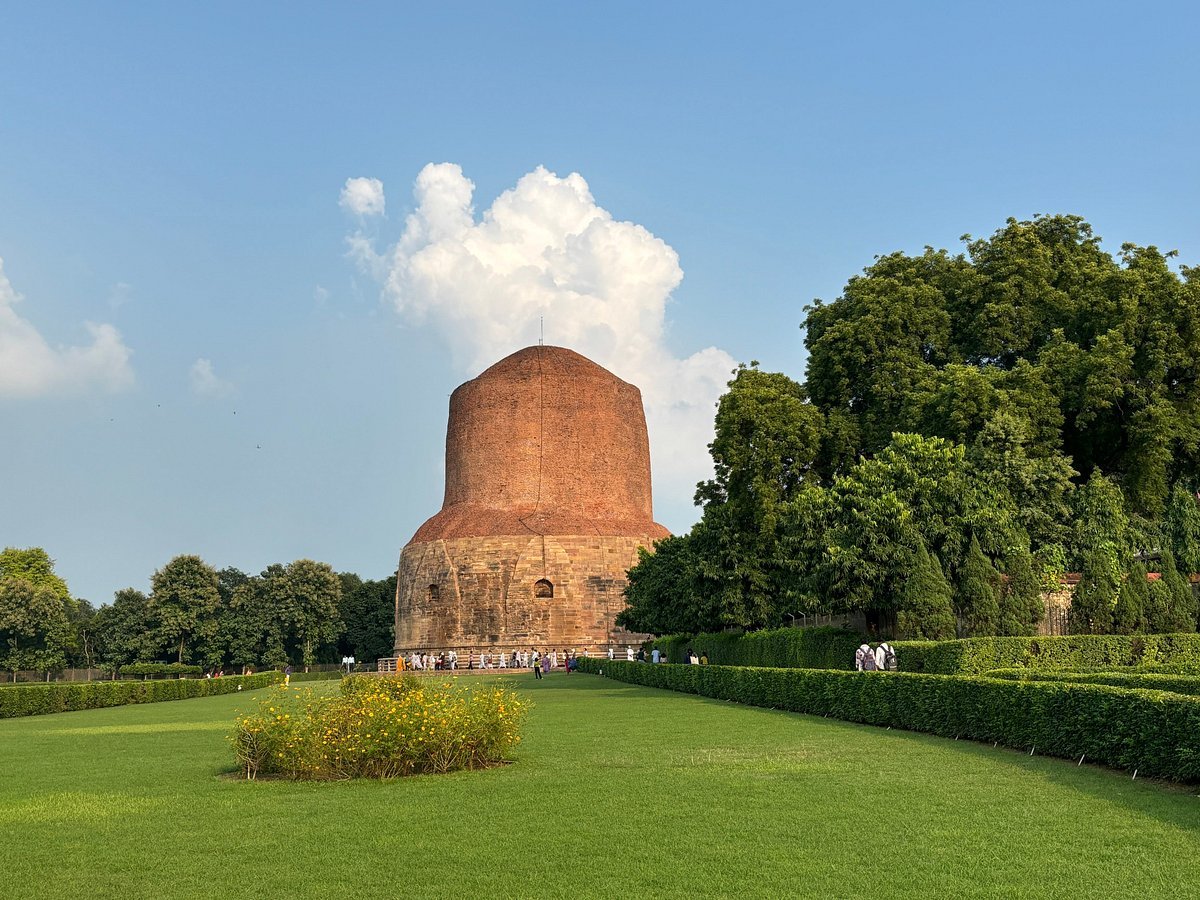
Sarnath
A sacred Buddhist pilgrimage site where Lord Buddha gave his first sermon, located near Varanasi
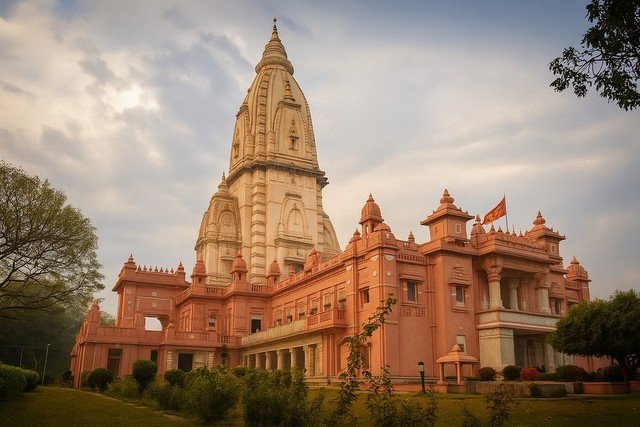
BHU Vishwanath Temple (Birla Temple)
A grand modern Shiva temple located inside BHU campus.
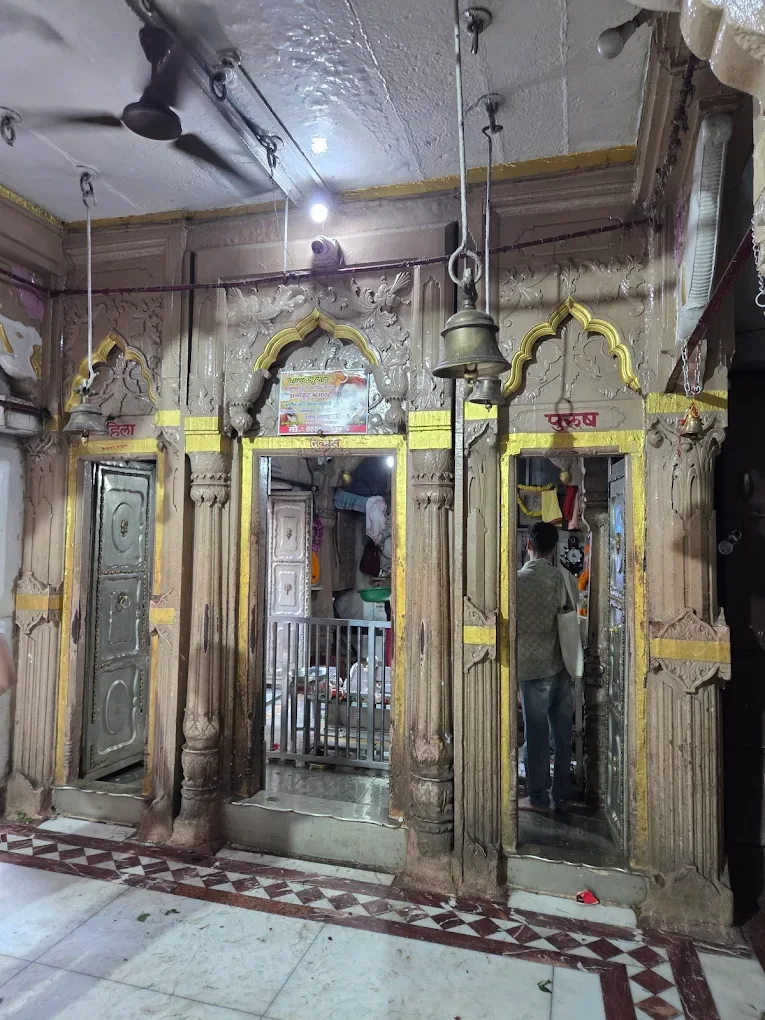
Mrityunjay Mahadev Mandir Varanasi
A powerful Shiva temple associated with healing and the Mahamritunjay Mantra.