
Durga Temple
Entry Fee
About This Attraction
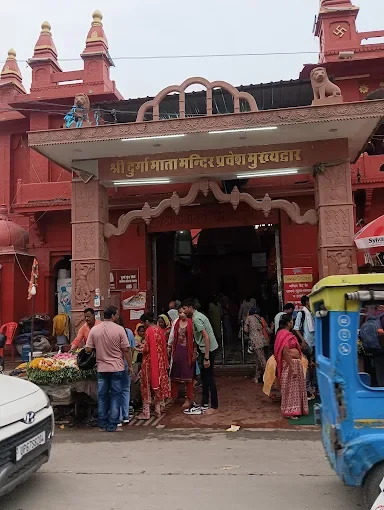
Durga Temple, also known as the Monkey Temple, is one of the most famous and vibrant temples in Varanasi, dedicated to Goddess Durga, the symbol of power and protection. Located near Durgakund, the temple is a major attraction for both pilgrims and tourists.
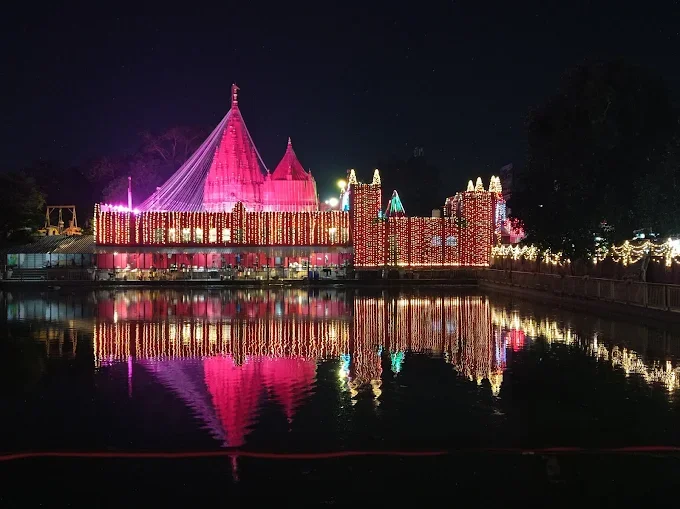
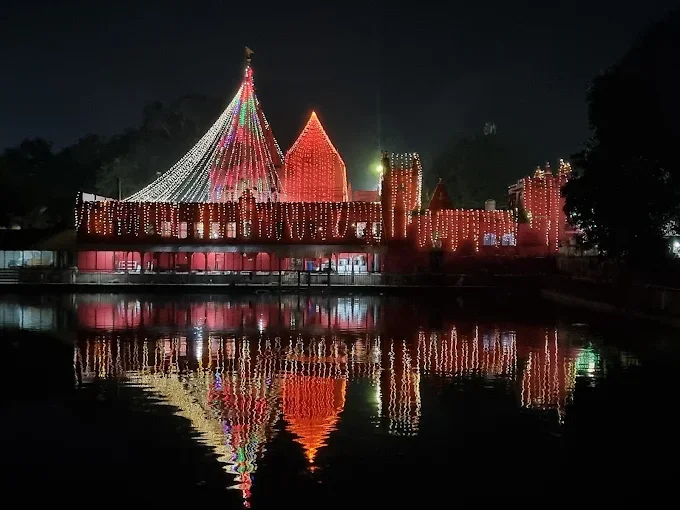
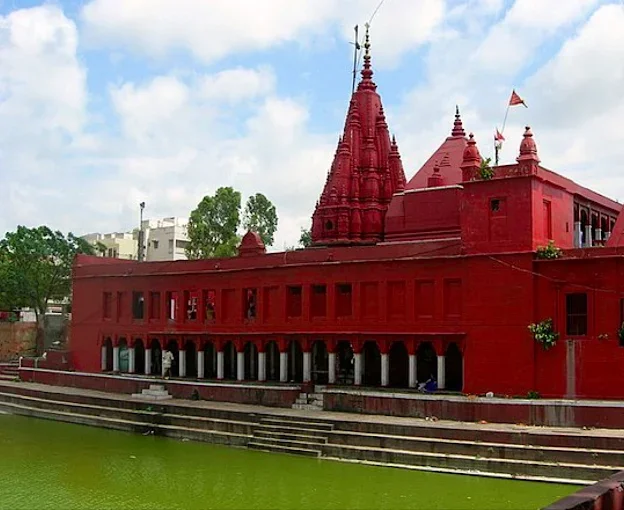
The temple is easily recognized by its red-colored structure, which represents strength and energy. According to belief, the main idol of Goddess Durga is self-manifested (not man-made), adding to the temple’s spiritual importance. The presence of numerous monkeys around the temple is the reason it is popularly called the Monkey Temple.
Durga Temple offers a lively and devotional atmosphere, especially during prayers and festive days. The nearby Durga Kund (sacred pond) adds to the peaceful setting and enhances the visitor experience.
For tourists, Durga Temple is an ideal place to experience traditional worship, local beliefs, and everyday religious life in Varanasi, making it an essential stop on any city tour.
Photo Gallery
Highlights
- Dedicated to Goddess Durga: A major Shakti temple symbolizing strength, power, and protection.
- Self-Manifested Idol: Believed to be swayambhu (not man-made), adding deep spiritual importance.
- Distinct Red Architecture: The red-colored structure stands out and represents energy and strength.
- Famous Monkey Presence: Numerous monkeys around the temple give it the popular name Monkey Temple.
- Durga Kund Nearby: A sacred pond beside the temple that enhances its serene surroundings.
- Lively Devotional Atmosphere: Daily prayers and rituals offer tourists a true local religious experience.
Durga Temple is a must-visit for tourists who want to witness the vibrant and powerful spiritual side of Varanasi.
History
Durga Temple is one of the most important and historic temples in Varanasi, with roots dating back to the 18th century. It is believed to have been built in 1720 by a Bengali queen, though the worship of Goddess Durga at this site is considered much older.
According to local belief, the main idol of Goddess Durga is self-manifested (swayambhu), meaning it appeared naturally and was not carved by human hands. This belief has made the temple a powerful center of Shakti worship for centuries.
Over time, Durga Temple became one of the key religious landmarks of Varanasi, especially during festivals like Navratri. Today, it stands as a symbol of divine power, protection, and devotion, offering tourists a meaningful glimpse into the city’s ancient spiritual traditions.
Festivals & Events
Durga Temple is at its most vibrant during festivals dedicated to Goddess Durga, offering tourists a colorful and energetic glimpse into Varanasi’s devotional life.
- Navratri: The most important festival at Durga Temple. Celebrated twice a year, the temple is beautifully decorated and filled with prayers, chants, and large gatherings of devotees.
- Durga Puja: Special rituals and offerings are performed to honor Goddess Durga, creating a festive and spiritual atmosphere.
- Diwali: The temple is illuminated with lights and diyas, adding to the celebratory mood of the area.
- Daily Aarti & Rituals: Morning and evening aartis allow visitors to experience regular worship traditions in a lively setting.
For tourists, visiting Durga Temple during these festivals provides a rich cultural and spiritual experience, showcasing the energy, devotion, and traditions that make Varanasi unique.
Visitor Tips
- Visit Early Morning or Evening: These times are more comfortable and less crowded for sightseeing and darshan.
- Beware of Monkeys: Keep food, bags, and valuables secure, as monkeys are common around the temple.
- Dress Modestly: Respectful clothing is recommended as it is an active place of worship.
- Avoid Carrying Food Inside: This helps prevent unwanted attention from monkeys.
- Combine Nearby Attractions: Easily visit Tulsi Manas Temple and Sankat Mochan Temple in the same trip.
- Allow 30–45 Minutes: Sufficient time to explore, pray, and enjoy the surroundings.
These tips will help tourists enjoy a safe, respectful, and smooth visit to Durga Temple in Varanasi.
Frequently Asked Questions
The temple is named after the natural water pond (kund) beside it. Unlike decorative temple tanks, this kund is believed to be self-sustaining and spiritually active, symbolizing Shakti’s eternal presence rather than ritual beauty.
Here, Goddess Durga is believed to be self-manifested (Swayambhu). The idol was not installed by humans, which gives the temple a raw, untamed Shakti energy—more primal than ceremonial.
Red represents power, protection, bloodline, and cosmic energy in Shakti worship. The temple’s bold red color is intentional—it visually reinforces Durga’s role as a warrior goddess, not a benevolent mother alone.
Yes. While the temple appears simple, it has strong Shakti and tantric undertones. Many visitors come not for grand puja, but for:
- Inner strength
- Fear removal
- Protection from negative energies
This makes it especially meaningful for seekers, not just sightseers.
The temple is locally known as the “Monkey Temple of Shakti”. Monkeys are believed to be guardians of sacred energy here. Their presence reinforces the idea that this space is alive, not controlled, reflecting Durga’s fierce nature.
Historically, symbolic forms of sacrifice were part of Shakti traditions, but animal sacrifice is not practiced today. Devotion here has evolved into inner surrender rather than physical offering, aligning with modern spiritual ethics.
You’ll notice a unique mix:
- Women seeking strength and protection
- Students and locals before major life decisions
- Spiritual seekers interested in Shakti energy
- Tourists exploring non-commercial temples
This diversity makes the temple culturally fascinating.
Instead of focusing only on Navratri:
- Early mornings offer intense stillness
- Rainy season (Shravan–Bhadrapada) amplifies Shakti symbolism due to water-filled kund
- Navratri is energetic but extremely crowded
Quiet hours are best for first-time visitors.
Durga Mandir is one of the few temples where female spiritual energy is dominant, not symbolic. Many women pray here for:
- Confidence and courage
- Protection from injustice
- Emotional resilience
It is seen as a temple of empowerment, not just worship.
Yes. The temple encourages direct devotion. Tourists can:
- Offer flowers
- Light incense outside
- Sit silently near the kund
There is no pressure for paid rituals, making it tourist-friendly.
Durga Mandir is:
- Less commercial
- More open and breathable
- Spiritually intense but logistically simpler
Many tourists find it emotionally stronger yet physically calmer.
Yes. Foreign tourists appreciate it because:
- It represents living Hinduism, not curated rituals
- The temple is visually striking
- No complex procedures or language barriers
It offers a pure cultural experience.
- Secure belongings due to monkeys
- Avoid feeding animals directly
- Dress modestly
- Respect silence near the sanctum
Small awareness enhances the experience.
Durga Mandir fits perfectly with:
- Sankat Mochan Temple
- Banaras Hindu University (BHU)
- Assi Ghat evening walk
This creates a Shakti–Bhakti–Nature circuit.
Because it offers:
- Fierce feminine energy
- Living mythology
- A break from ritual-heavy temples
- Insight into Shakti worship at ground level
For many travelers, Durga Mandir feels powerful, not ornamental—and that’s exactly why it stays in memory.
More Attractions in Varanasi
Discover other amazing places to visit

Annapurna Devi Temple
A sacred temple in Varanasi dedicated to Goddess Annapurna, symbolizing food, nourishment, and prosperity
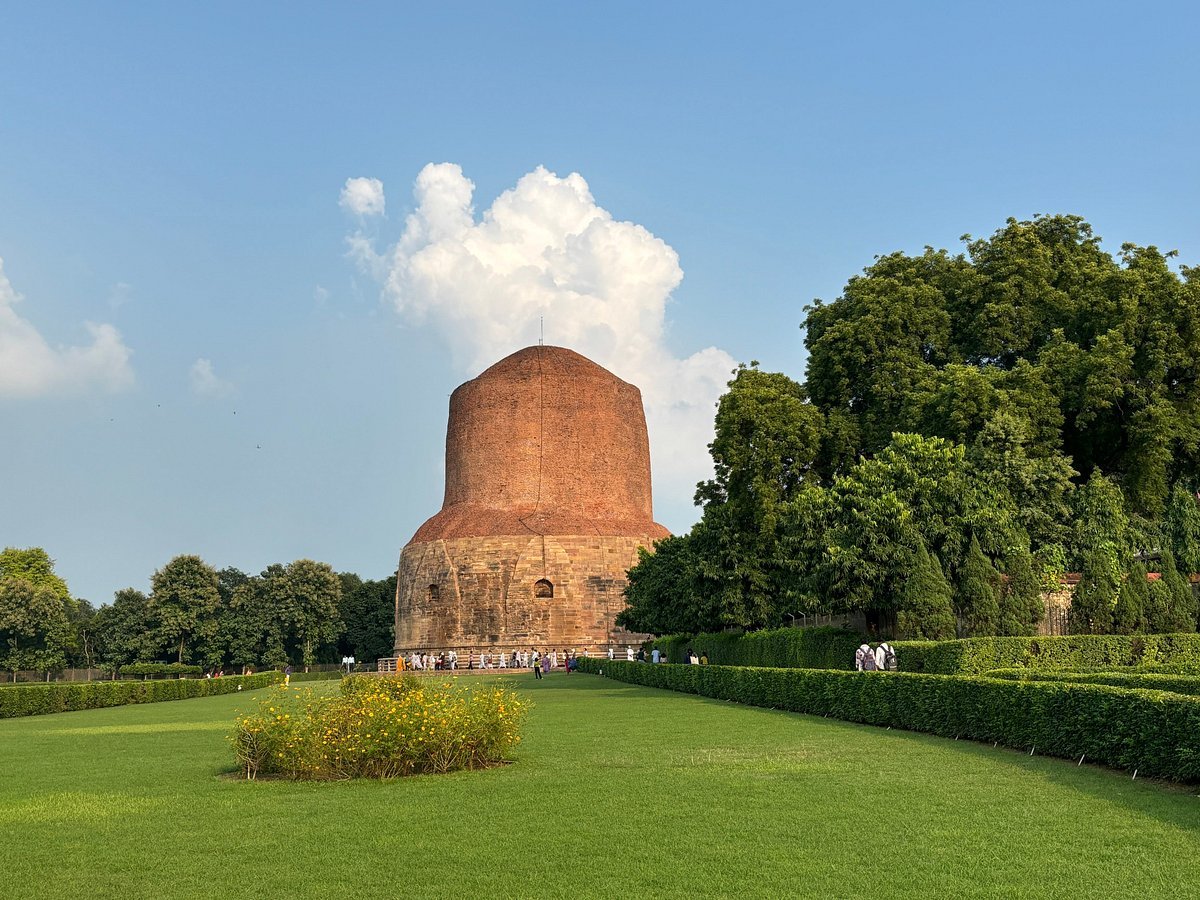
Sarnath
A sacred Buddhist pilgrimage site where Lord Buddha gave his first sermon, located near Varanasi
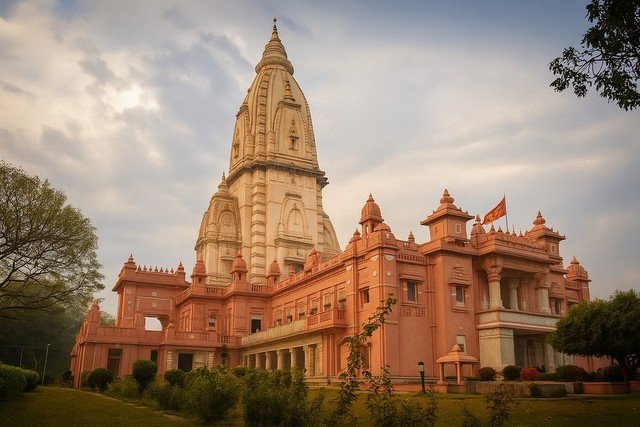
BHU Vishwanath Temple (Birla Temple)
A grand modern Shiva temple located inside BHU campus.
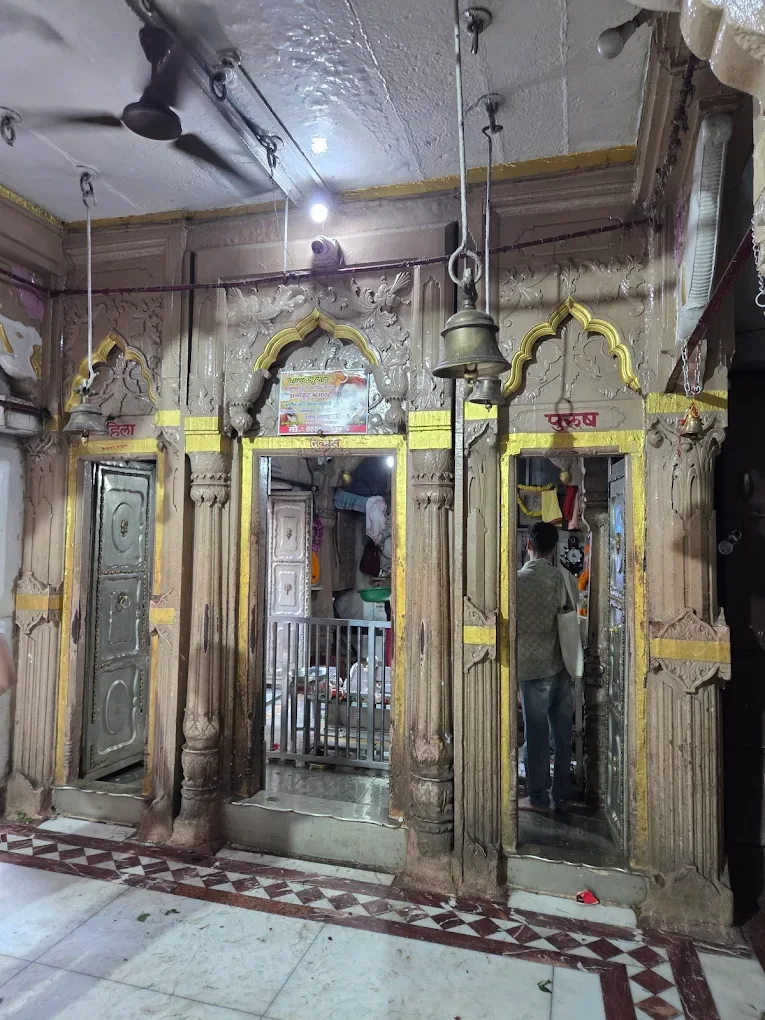
Mrityunjay Mahadev Mandir Varanasi
A powerful Shiva temple associated with healing and the Mahamritunjay Mantra.