Dashashwamedh Ghat
Entry Fee
About This Attraction
Dashashwamedh Ghat is the most vibrant, sacred, and iconic ghat of Varanasi, located on the banks of the holy River Ganga, just a short walk from Shri Kashi Vishwanath Temple. This ghat is considered the main ghat of the city and remains alive with rituals, prayers, pilgrims, and spiritual energy from early morning till late night.
For tourists, Dashashwamedh Ghat is not just a place to visit—it is an experience that defines Varanasi.
Mythological & Historical Significance
According to Hindu mythology, Lord Brahma performed the grand Dashashwamedh Yajna (sacrifice of ten horses) at this very site to welcome Lord Shiva back to Kashi. The name Dashashwamedh literally means “ten horse sacrifices”, making this ghat extremely sacred.
Ancient scriptures mention this ghat as one of the oldest riverfronts in Varanasi, with continuous religious activity for thousands of years. Over centuries, kings, saints, and devotees have contributed to its preservation and spiritual importance.
Spiritual Importance of Dashashwamedh Ghat
- Believed that a single dip in the Ganga here washes away sins
- Performing puja, daan (donation), and aarti at this ghat brings spiritual merit
- Major rituals related to life, death, and moksha are symbolically connected to this ghat
- Devotees believe that Ganga worship here grants blessings and peace
This is why pilgrims from all over India and abroad make it a priority during their Varanasi visit.
World-Famous Ganga Aarti at Dashashwamedh Ghat
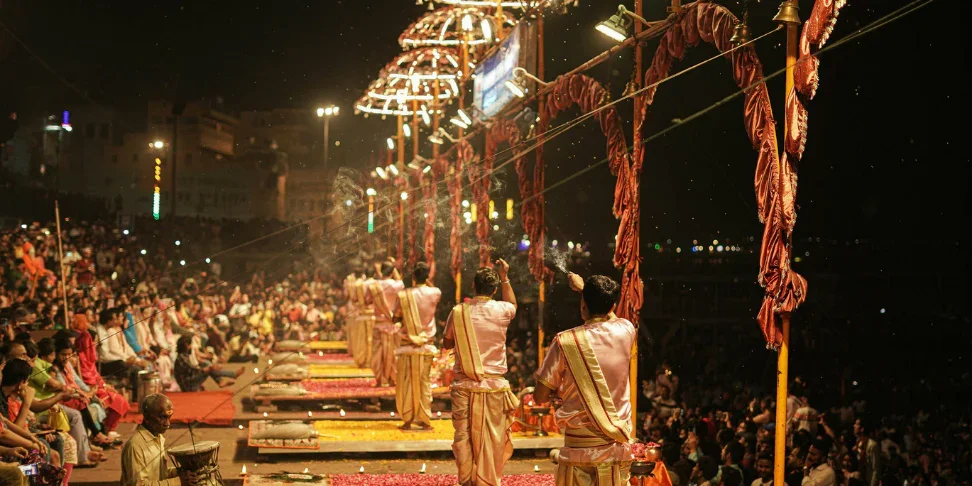
The evening Ganga Aarti is the biggest attraction and a must-see event.
Highlights of the Aarti:
- Takes place daily at sunset
- Performed by trained priests in synchronized movements
- Use of large brass lamps, incense, conch shells, and Vedic chants
- Creates a powerful spiritual atmosphere with fire, sound, and devotion
Watching the aarti from a boat on the river is considered the most magical experience and is highly recommended for tourists.
Morning Experience & Sunrise Boat Ride
Early mornings at Dashashwamedh Ghat are calm and spiritual:
- Devotees performing snan (holy bath) and surya arghya
- Priests conducting morning rituals and pujas
- Ideal starting point for a sunrise boat ride
- Best time to see daily life, rituals, and other historic ghats
A boat ride from here covers major ghats like Manikarnika, Assi, and Harishchandra Ghats.
Architecture & Layout
- Wide stone steps leading directly into the River Ganga
- Several small shrines and temples around the ghat
- Elevated platforms used for priests during Ganga Aarti
- Surrounding lanes filled with shops selling flowers, diyas, incense, and prasad
The architecture reflects traditional riverfront planning, designed for large gatherings and rituals.
Best Time to Visit Dashashwamedh Ghat
- October to March – Pleasant weather, best for sightseeing
- Evening (6:30–7:30 PM) – For Ganga Aarti
- Early Morning (5:00–7:00 AM) – For peaceful rituals and boat rides
Festivals like Dev Deepawali, Kartik Purnima, Mahashivratri, and Ganga Dussehra make the ghat even more spectacular.
Tips for Tourists
- Reach early for Ganga Aarti to get a good viewing spot
- Prefer authorized boats for river viewing
- Keep footwear secure and belongings safe in crowds
- Dress modestly to respect local customs
- Photography is allowed, but avoid disturbing rituals
Why Dashashwamedh Ghat Is a Must in Your Varanasi Tour
- Closest major ghat to Kashi Vishwanath Temple
- Combines history, spirituality, culture, and daily life
- Perfect for first-time visitors to understand Varanasi
- Creates lasting memories that define the city’s soul
Highlights
- 🌊 Main Ghat of Varanasi – The most prominent and spiritually active ghat on the River Ganga
- 🔥 World-Famous Ganga Aarti – Grand evening ritual performed daily with lamps, chants, and conch shells
- 🛕 Close to Kashi Vishwanath Temple – Just a short walking distance from the city’s holiest temple
- 🚤 Best Starting Point for Boat Rides – Ideal for sunrise and evening Ganga boat experiences
- 🌅 Mesmerizing Sunrise Views – Peaceful mornings with prayers, holy dips, and golden reflections on the river
- 📿 Deep Mythological Significance – Associated with Lord Brahma’s ten-horse sacrifice (Dashashwamedh Yajna)
- 🎶 Powerful Spiritual Atmosphere – Rhythmic Vedic chants, bells, incense, and devotion all day long
- 🪔 Festival Celebrations – Spectacular during Dev Deepawali, Kartik Purnima, and Ganga Dussehra
- 🛍️ Vibrant Surroundings – Lanes filled with flower sellers, diya vendors, puja items, and local snacks
- 📸 Iconic Photography Spot – One of the most photographed and visually stunning locations in Varanasi
History
History of Dashashwamedh Ghat
Dashashwamedh Ghat holds a central place in the religious, mythological, and historical landscape of Varanasi. Considered the main and most ancient ghat of Kashi, its history goes back to Vedic times, making it one of the oldest continuously used riverfronts in India.
Mythological Origins (Vedic Era)
According to Hindu scriptures and legends:
- Lord Brahma, the creator of the universe, performed a grand Dashashwamedh Yajna at this site
- The yajna involved the sacrifice of ten horses (Dasha = ten, Ashwa = horse)
- This sacred ritual was performed to welcome Lord Shiva to Kashi
From this divine event, the ghat got its name Dashashwamedh Ghat, and it became one of the holiest places for Ganga worship.
Ancient texts such as the Skanda Purana and Kashi Khanda describe this ghat as a place where heaven and earth meet.
Ancient & Early Historic Period
- Dashashwamedh Ghat has been a major center for bathing, rituals, and yajnas for thousands of years
- It served as the principal ghat for royal ceremonies, religious gatherings, and pilgrimages
- Sages, scholars, and saints used this ghat for meditation and Vedic recitations
The ghat symbolized the spiritual authority of Kashi and its direct connection with the River Ganga.
Medieval Period: Decline & Survival
During the medieval period:
- Many temples and ghats in Varanasi faced destruction and neglect due to invasions
- Dashashwamedh Ghat suffered damage but never lost its religious relevance
- Local priests and devotees continued daily rituals and Ganga worship, even during difficult times
Unlike some ghats that faded into obscurity, Dashashwamedh Ghat remained alive through oral tradition and continuous use.
Restoration in the Maratha Period (18th Century)
A major revival came during the Maratha rule:
- In the 18th century, the ghat was rebuilt and restored by Maratha rulers
- Stone steps, platforms, and temple structures were reconstructed
- It regained its position as the primary ghat of Varanasi
This phase shaped the present architectural layout of Dashashwamedh Ghat.
Colonial Era & Public Importance
During British rule:
- Dashashwamedh Ghat emerged as the main public riverfront of Varanasi
- It became a focal point for religious gatherings, festivals, and pilgrim activities
- The ghat area developed into a busy religious and commercial zone
Its proximity to Kashi Vishwanath Temple further increased its importance.
Modern Era & Global Recognition
In recent decades:
- Dashashwamedh Ghat became world-famous due to the daily Ganga Aarti
- The aarti tradition transformed the ghat into a global spiritual attraction
- Infrastructure improvements enhanced accessibility for pilgrims and tourists
Today, it is one of the most visited riverfronts in India, attracting devotees, photographers, scholars, and travelers from across the world.
Festivals & Events
Dashashwamedh Ghat is not only the spiritual center of Varanasi but also the main stage for the city’s grand religious festivals and sacred events. Throughout the year, the ghat transforms into a divine celebration ground, attracting devotees and tourists from across the world.
🌟 Dev Deepawali (Festival of the Gods)
Dev Deepawali is the grandest festival celebrated at Dashashwamedh Ghat.
- Celebrated on Kartik Purnima (15 days after Diwali)
- Believed that 33 crore gods descend to earth to bathe in the Ganga
- Thousands of earthen lamps (diyas) light up the entire ghat
- Special mega Ganga Aarti performed with unmatched grandeur
- Fireworks, devotional music, and illuminated ghats create a magical atmosphere
👉 This festival makes Dashashwamedh Ghat look like a celestial city.
🔱 Ganga Dussehra
- Celebrated in May–June
- Marks the descent of River Ganga from heaven to earth
- Considered highly auspicious to take a holy dip at Dashashwamedh Ghat
- Special pujas, yajnas, and extended Ganga Aarti rituals
- Devotees believe bathing on this day removes ten major sins
🌕 Kartik Purnima
- One of the holiest full moon nights in Hindu calendar
- Marks the end of the sacred Kartik month
- Massive crowds gather for holy bath and charity
- Special evening Ganga Aarti and diya offerings
- Closely associated with spiritual liberation (moksha)
Dashashwamedh Ghat becomes the main bathing ghat on this day.
Visitor Tips
- Arrive early for a good view of Ganga Aarti
- Boat view offers the best experience
- Beware of pickpockets
More Attractions in Varanasi
Discover other amazing places to visit

Annapurna Devi Temple
A sacred temple in Varanasi dedicated to Goddess Annapurna, symbolizing food, nourishment, and prosperity
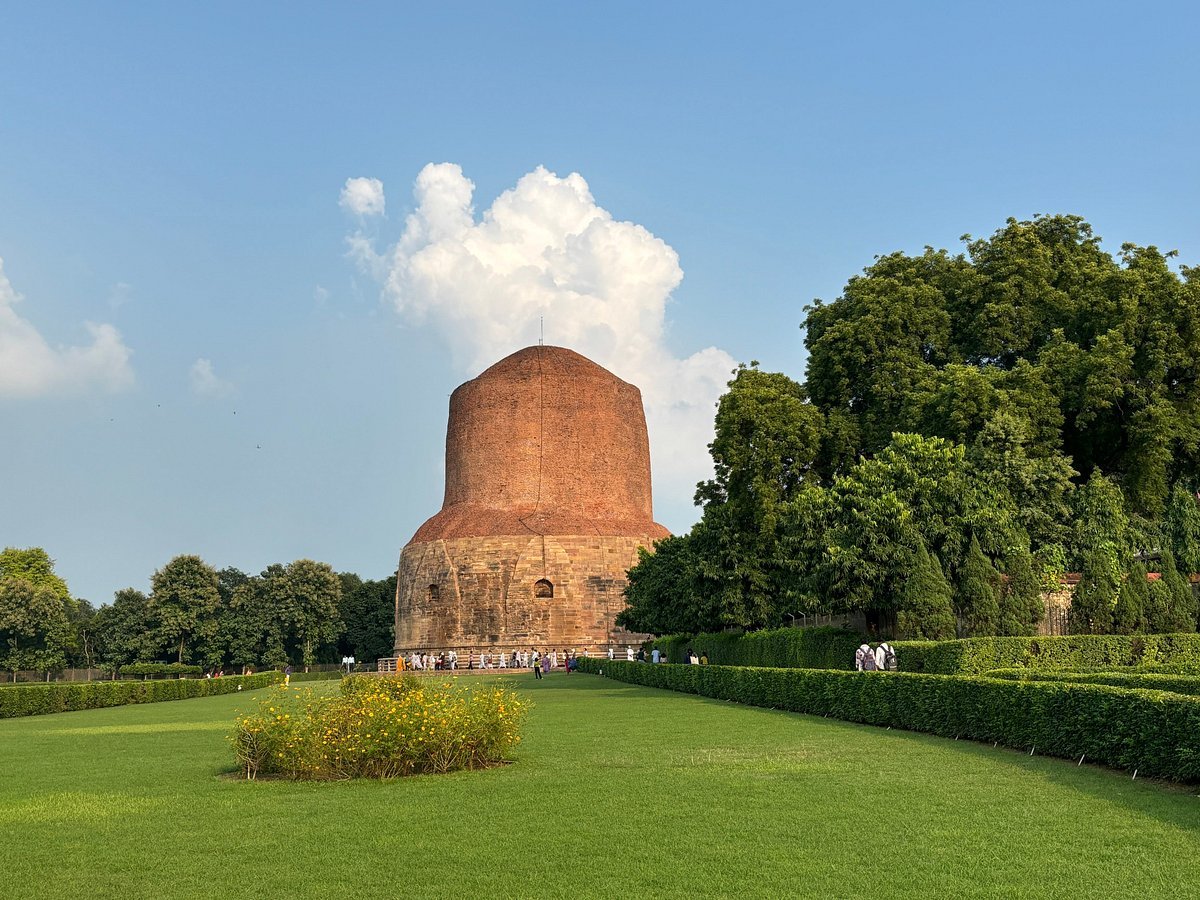
Sarnath
A sacred Buddhist pilgrimage site where Lord Buddha gave his first sermon, located near Varanasi
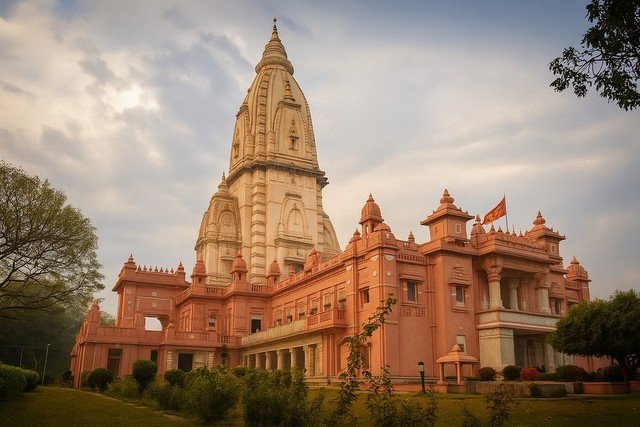
BHU Vishwanath Temple (Birla Temple)
A grand modern Shiva temple located inside BHU campus.
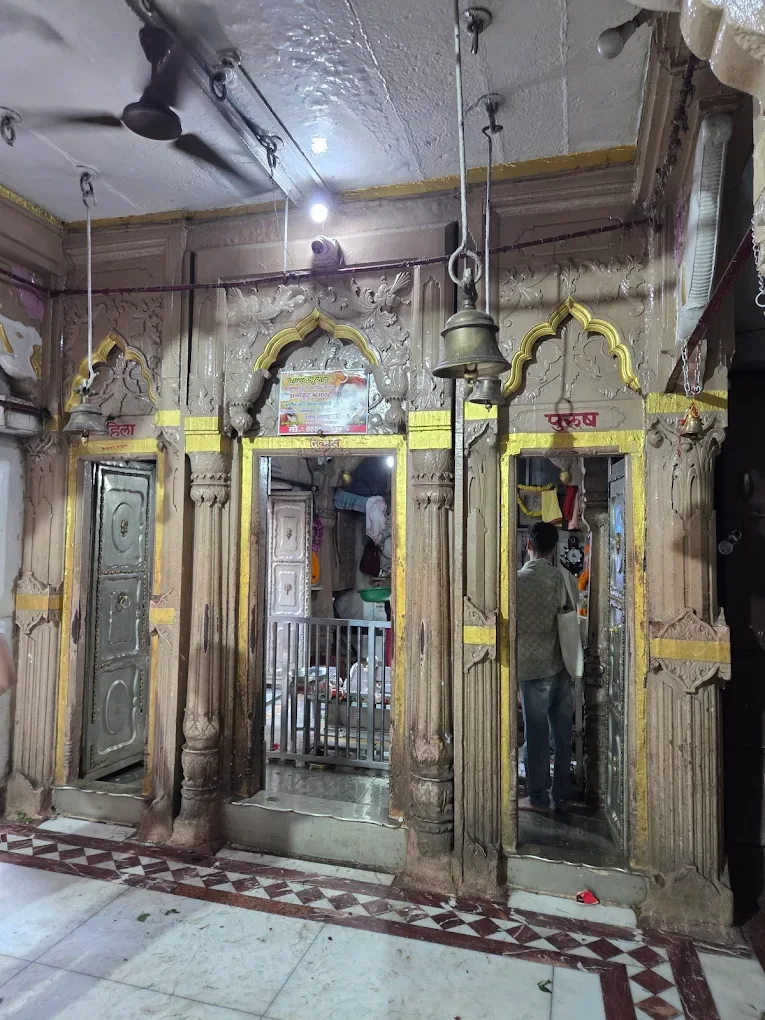
Mrityunjay Mahadev Mandir Varanasi
A powerful Shiva temple associated with healing and the Mahamritunjay Mantra.