
Shri Ram Janmabhoomi Mandir
Entry Fee
About This Attraction
Shri Ram Janmabhoomi in Ayodhya is one of the most sacred and spiritually significant pilgrimage sites in India. Revered as the birthplace of Lord Shri Ram, the seventh incarnation of Lord Vishnu, this holy site holds immense importance in Hinduism, Indian culture, and the epic Ramayana. Today, the grand Shri Ram Mandir stands as a symbol of faith, devotion, and India’s ancient spiritual heritage, attracting millions of devotees and tourists from across the world.
Located on the serene banks of the Saryu River, Shri Ram Janmabhoomi is the spiritual heart of Ayodhya and a must-visit destination for anyone seeking divine blessings, cultural depth, and historical insight.
Spiritual & Religious Significance of Shri Ram Janmabhoomi
Shri Ram Janmabhoomi is believed to be the exact place where Maryada Purushottam Lord Ram was born during the Treta Yuga. For centuries, saints, devotees, and scholars have regarded this site as a cornerstone of Hindu faith.
Devotees believe that visiting Ram Janmabhoomi:
- Brings peace, prosperity, and spiritual strength
- Helps remove negative energies and life obstacles
- Strengthens devotion, discipline, and moral values
- Grants blessings for family harmony and success
A visit to this sacred land is often described as a once-in-a-lifetime spiritual experience.
Darshan Experience at Shri Ram Janmabhoomi
Darshan at Shri Ram Janmabhoomi is deeply serene and emotionally uplifting. The atmosphere is filled with:
- Chanting of “Jai Shri Ram”
- Devotional bhajans and Vedic hymns
- A sense of divine presence and inner peace
Best time for darshan:
- Early morning (Mangala Aarti) for peaceful darshan
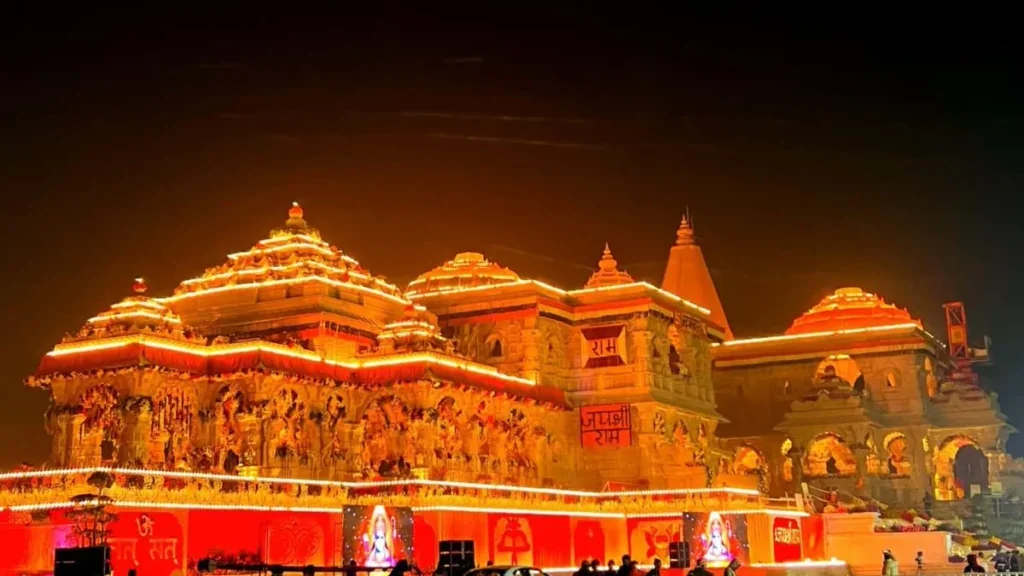
- Evening hours for spiritual ambiance and temple illumination
Special arrangements are made during Ram Navami, Diwali, and other Hindu festivals, when Ayodhya transforms into a grand spiritual celebration.
Best Time to Visit Shri Ram Janmabhoomi, Ayodhya
- October to March: Ideal weather for sightseeing and temple visits
- Ram Navami: Celebrated as Lord Ram’s birthday with grand festivities
- Diwali: Ayodhya hosts the famous Deepotsav, lighting millions of diyas
Summers can be hot, so early morning or evening visits are recommended.
Nearby Attractions to Explore in Ayodhya
A visit to Shri Ram Janmabhoomi can be combined with other sacred sites:
- Hanuman Garhi
- Kanak Bhawan
- Dashrath Mahal
- Saryu Ghat (for evening aarti)
- Ram Ki Paidi
These places together offer a complete spiritual and cultural tour of Ayodhya.
Photo Gallery
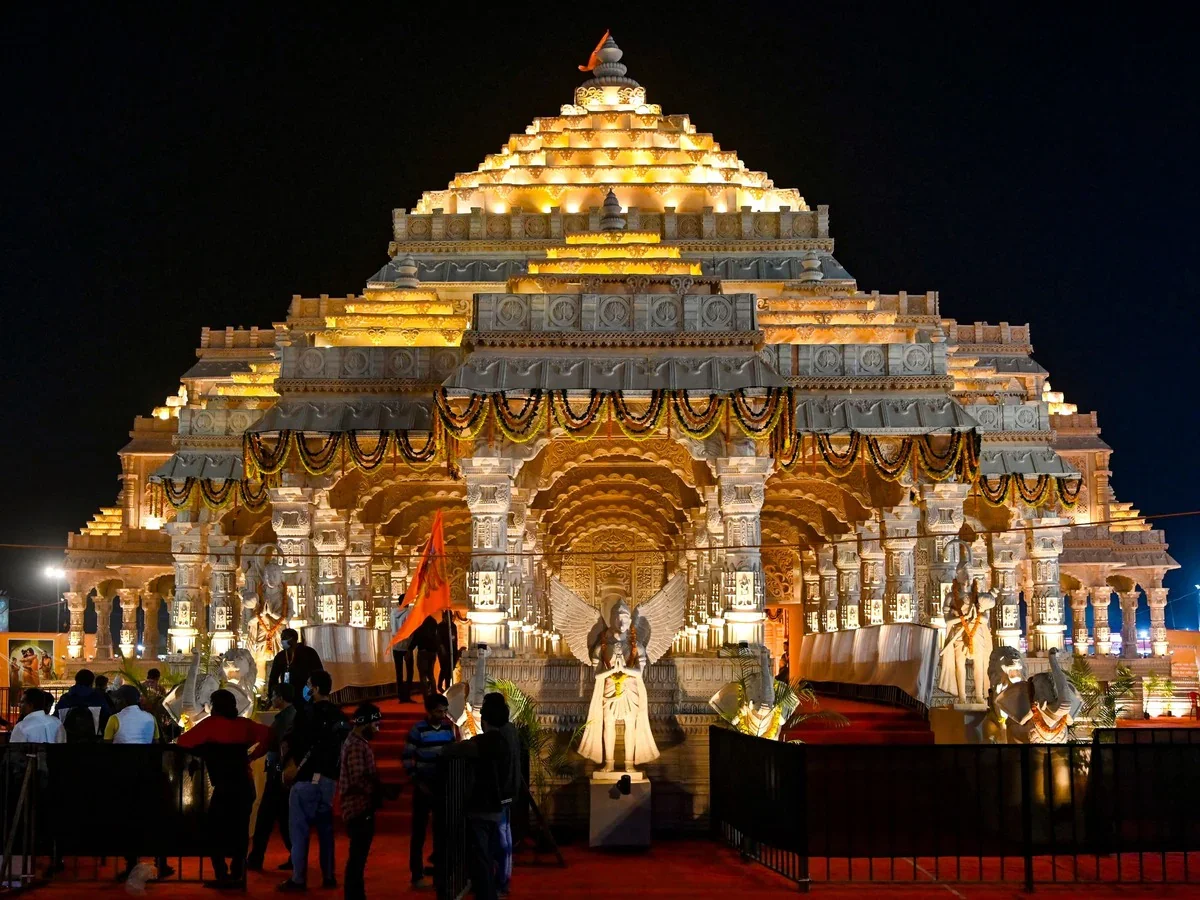
Highlights
- Sacred birthplace of Lord Shri Ram, the seventh incarnation of Lord Vishnu
- Home to the magnificent Shri Ram Mandir, a symbol of faith and devotion
- Located in the holy city of Ayodhya, one of India’s seven ancient Sapta Puris
- Architecturally grand temple built in traditional Nagara-style design
- Intricately carved pillars and sculptures inspired by the Ramayana
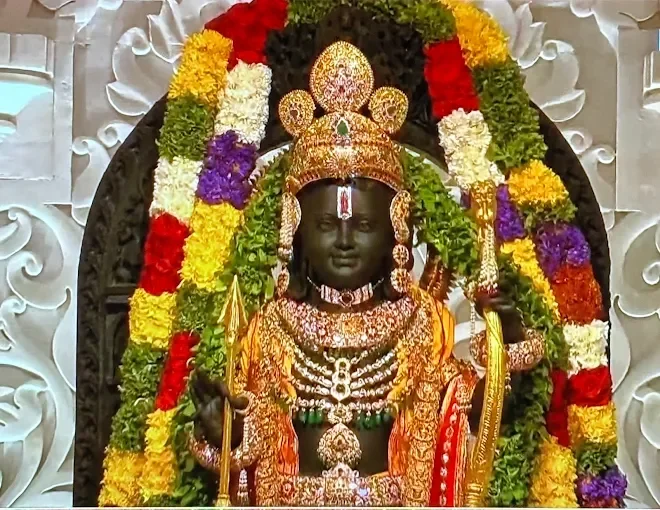
- Houses the divine idol of Balak Shri Ram in the sanctum sanctorum
- One of the most visited pilgrimage sites in India
- Close to popular Ayodhya attractions like Hanuman Garhi and Kanak Bhawan
- A perfect blend of spirituality, history, and Indian culture
- Ideal destination for religious tourism, heritage travel, and spiritual seekers
History
The history of Shri Ram Janmabhoomi is deeply intertwined with India’s ancient civilization, religious traditions, and cultural identity. Ayodhya, one of the world’s oldest continuously inhabited cities, has been revered for thousands of years as the birthplace of Lord Shri Ram, the central figure of the epic Ramayana.
Ancient & Mythological Origins
According to Hindu scriptures, Shri Ram was born in Treta Yuga to King Dashrath and Queen Kaushalya of the Ikshvaku dynasty. Ayodhya is described in the Ramayana as a prosperous, well-planned city known for righteousness, good governance, and spiritual values. The exact spot of Lord Ram’s birth came to be worshipped as Ram Janmabhoomi, making it one of the most sacred pilgrimage sites in Hinduism.
For centuries, sages, saints, and devotees have recognized this site as a divine birthplace, preserving its sanctity through oral traditions, religious texts, and pilgrimage practices.
Medieval Period
Historical records and traveler accounts indicate that Ayodhya remained an important spiritual center during the medieval era. Despite political changes and shifting dynasties, devotion to Ram Janmabhoomi never faded. Pilgrims continued to visit the site, and references to the birthplace of Lord Ram appear in various religious writings and local traditions.
Modern History & Revival
During the colonial period and after independence, the Ram Janmabhoomi site became a focal point of religious, cultural, and legal discourse in India. The matter remained under judicial consideration for several decades.
In 2019, the Supreme Court of India delivered a historic verdict recognizing the religious significance of the site for Hindus and paved the way for the construction of a grand Ram temple. This judgment marked a turning point in the long and complex history of Shri Ram Janmabhoomi.
Construction of the Shri Ram Mandir
Following the verdict, the Shri Ram Mandir was planned and constructed using traditional Indian temple architecture, guided by ancient texts such as the Shilpa Shastras. The Pran Pratishtha ceremony in 2024 symbolized the spiritual revival of the birthplace of Lord Ram and fulfilled a centuries-old aspiration of millions of devotees.
Historical Significance Today
Today, Shri Ram Janmabhoomi stands not only as a religious monument but also as:
- A symbol of India’s ancient heritage
- A center of spiritual unity and devotion
- A landmark of cultural continuity from ancient times to modern India
The history of Shri Ram Janmabhoomi reflects faith preserved through generations, making it one of the most historically and spiritually important destinations in India.
Architecture
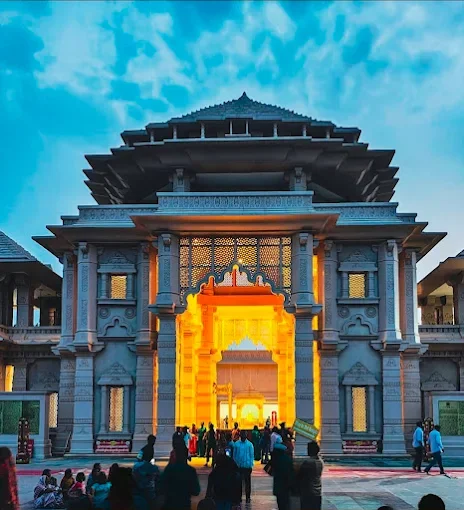
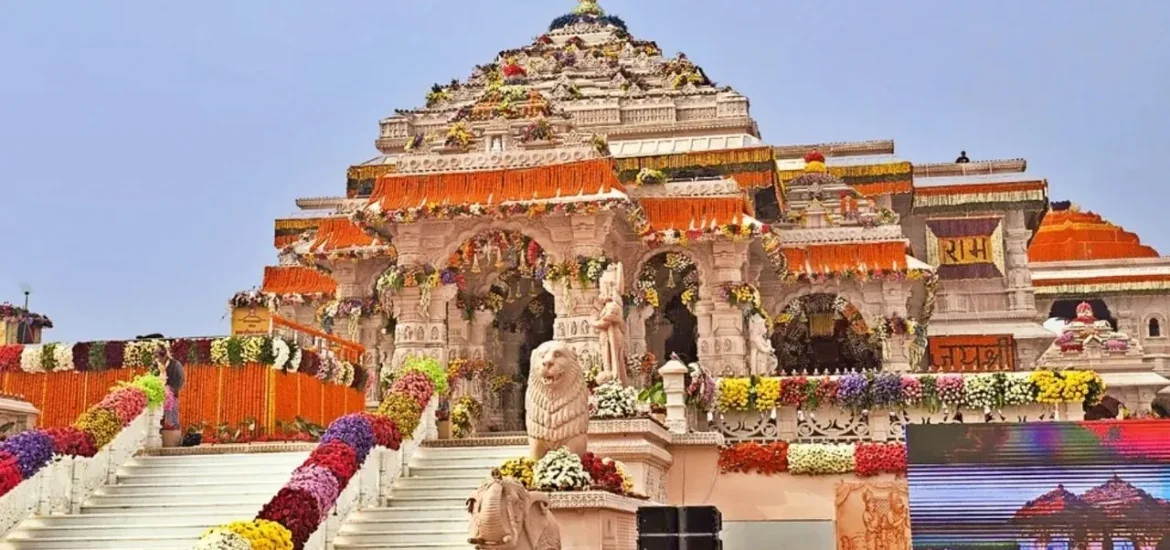
The newly constructed Shri Ram Mandir in Ayodhya is a magnificent example of traditional Nagara-style Hindu temple architecture. Built using intricately carved sandstone and inspired by ancient Indian temple designs, the temple reflects timeless craftsmanship and devotion.
Key architectural highlights:
- Multi-tiered structure with beautifully carved pillars
- Detailed sculptures depicting scenes from the Ramayana
- Grand sanctum housing the idol of Balak Shri Ram
- Vast temple complex with pathways, courtyards, and spiritual spaces
The temple seamlessly blends spiritual aura, artistic excellence, and historical symbolism, making it a visual and devotional landmark of modern India.
Festivals & Events
- Ram Navami celebrations
- Deepotsav Festival
- Diwali in Ayodhya
- Daily devotional rituals and aarti
Visitor Tips
- Carry a government ID card
- Dress modestly and respectfully
- Expect security checks at entry
- Mobile phones may not be allowed in certain areas
- Visit early morning for peaceful darshan
📹 YouTube Videos
Frequently Asked Questions
Shri Ram Janmabhoomi is believed to be the birthplace of Lord Shri Ram, one of the most revered deities in Hinduism. It holds immense religious, cultural, and historical importance and is among the holiest pilgrimage sites in India.
Shri Ram Janmabhoomi is located in Ayodhya, Uttar Pradesh, on the banks of the sacred Saryu River. It lies in the heart of the city and is easily accessible from major landmarks.
Yes, the Shri Ram Mandir at Ram Janmabhoomi is open to both devotees and tourists. Visitors can have darshan throughout the day, following the temple’s official timings and security guidelines.
Darshan timings may vary slightly by season and festival days, but generally:
- Morning darshan starts early
- Evening darshan continues till night
- Early morning and late evening are considered the best times for peaceful darshan.
No, entry is completely free. Devotees do not need to purchase tickets for general darshan. Any special arrangements, if introduced in the future, are communicated officially.
Generally, mobile phones, cameras, and electronic items are restricted inside the temple premises due to security reasons. Locker facilities are usually available nearby.
A normal darshan may take 1–2 hours, depending on crowd levels. During festivals or special occasions, waiting time can increase.
Yes, the temple complex is tourist-friendly and well-managed. Facilities such as:
- Organized queues
- Volunteers for assistance
- Clear walking paths
- make it convenient for senior citizens, though some walking is involved.
Yes, Ayodhya offers a wide range of:
- Budget hotels
- Dharamshalas
- Mid-range and premium stays
It is recommended to book in advance during festivals.
Tourists often combine their visit with:
- Hanuman Garhi
- Kanak Bhawan
- Dashrath Mahal
- Ram Ki Paidi
- Saryu Ghat evening aarti
These places together provide a complete Ayodhya pilgrimage experience.
Visitors should wear modest and comfortable clothing. Traditional Indian attire is preferred, and footwear must be removed before entering the temple premises.
Yes, the area is highly secure and well-regulated with strict security checks, police presence, and crowd-management systems, especially during peak seasons.
Shri Ram Janmabhoomi has been revered for thousands of years as the birthplace of Lord Shri Ram, as mentioned in ancient Hindu scriptures such as the Ramayana, Puranas, and regional devotional texts. Ayodhya itself is one of the world’s oldest living cities and is described in great detail in the Ramayana as the capital of the Ikshvaku dynasty. Over centuries, despite political and social changes, the belief in Ram Janmabhoomi remained deeply rooted in Hindu tradition, passed down through scriptures, pilgrimages, and oral history.
Shri Ram Janmabhoomi is sacred because it marks the divine descent (Avatar) of Lord Vishnu as Shri Ram, who came to Earth to establish dharma (righteousness). Hindus believe that visiting the birthplace of a deity holds exceptional spiritual merit. Praying at Ram Janmabhoomi is believed to purify the soul, strengthen moral values, and bring inner peace, making it one of the holiest sites in Hindu pilgrimage.
Ayodhya is the setting for many key events of the Ramayana, including:
- The birth of Lord Ram
- His childhood and education
- His coronation preparations
- The emotional exile of Lord Ram
- His triumphant return and rule as king (Ram Rajya)
Ram Janmabhoomi is believed to be the exact place where Queen Kaushalya gave birth to Lord Ram, making it central to these sacred narratives.
Ayodhya symbolizes ideal governance, discipline, and righteousness. Lord Ram’s birth here signifies the establishment of moral order in society. His life is considered a perfect example of duty toward family, society, and the nation. For devotees, visiting Ram Janmabhoomi is not just about worship but about
Even during periods when physical structures changed, faith in Ram Janmabhoomi never diminished. Saints, poets like Tulsidas, and countless devotees continued to glorify Lord Ram and Ayodhya through bhajans, Ramcharitmanas recitations, and pilgrimages. The site remained alive in spiritual consciousness, making it one of the most continuously revered places in Indian history.
The Shri Ram Mandir represents the spiritual revival of an ancient belief. Built according to traditional temple architecture and sacred texts, the temple is a symbol of devotion, cultural continuity, and faith preserved over generations. It stands as a place where history, spirituality, and devotion converge for millions of devotees.
For modern devotees, Ram Janmabhoomi represents:
- A connection to India’s ancient roots
- Spiritual stability in a fast-changing world
- Inspiration from Lord Ram’s ideals
- A place for prayer, reflection, and inner peace
It attracts not only religious pilgrims but also cultural and spiritual tourists from around the world.
Ram Janmabhoomi is the starting point of Ram Rajya, the ideal state described in Hindu philosophy where justice, equality, and moral governance prevail. Devotees believe that praying here inspires individuals and societies to follow ethical living and responsible leadership.
Devotees believe that visiting Shri Ram Janmabhoomi:
- Removes mental and emotional stress
- Brings clarity in decision-making
- Strengthens faith and discipline
- Creates positive karmic impact
- Offers spiritual fulfillment and peace
Many pilgrims describe their visit as emotionally uplifting and spiritually transformative.
For tourists, Shri Ram Janmabhoomi offers:
- Insight into India’s ancient civilization
- Understanding of Hindu philosophy and values
- Architectural and cultural richness
- A peaceful spiritual atmosphere
- A deeper connection to the Ramayana
It is a destination where history, spirituality, and living tradition come together.
Shri Ram Janmabhoomi reflects India’s cultural identity through:
- The values of dharma, duty, and compassion
- Preservation of ancient traditions
- Collective faith across generations
- Celebration of festivals like Ram Navami and Diwali
It stands as a powerful reminder of India’s enduring spiritual heritage.
More Attractions in Ayodhya
Discover other amazing places to visit
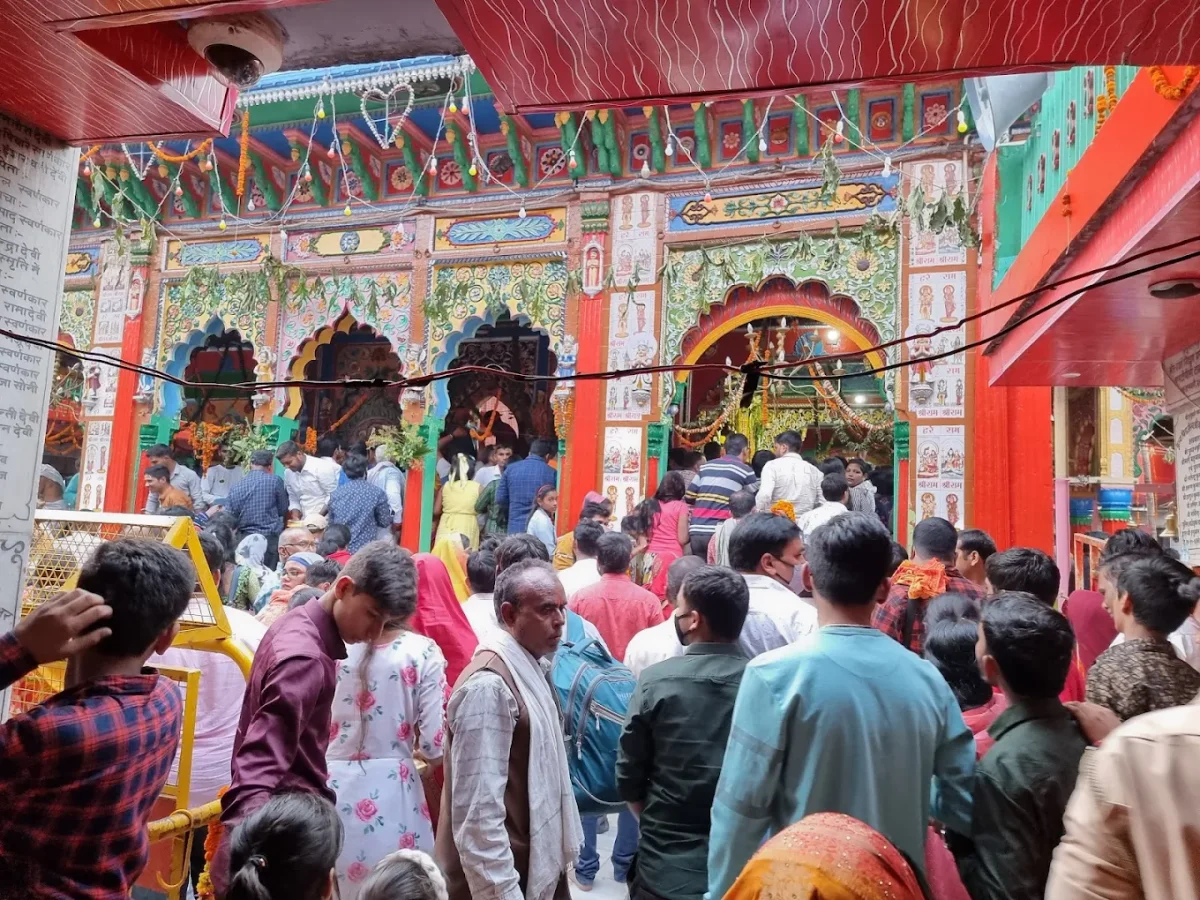
Hanuman Garhi
Historic hilltop temple dedicated to Lord Hanuman and a must-visit pilgrimage spot in Ayodhya
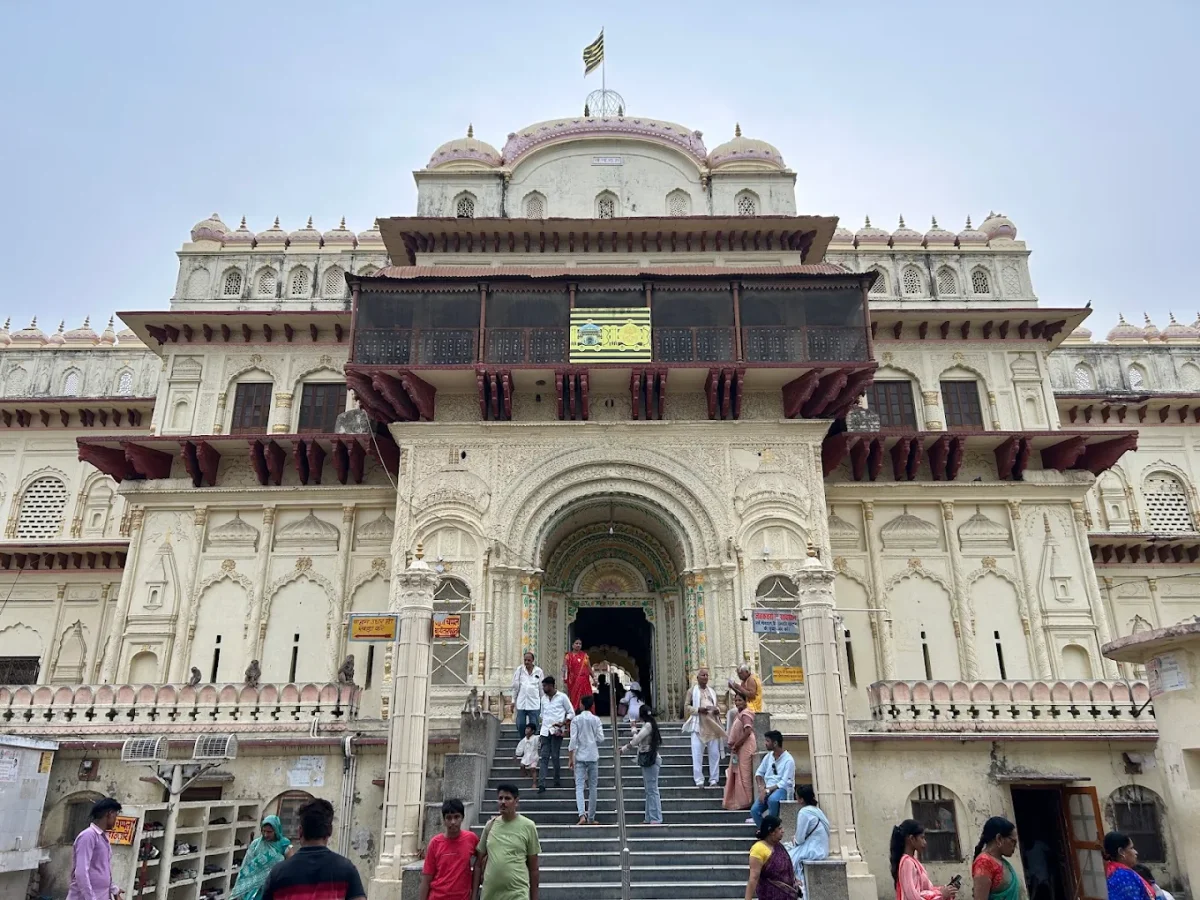
Kanak Bhawan
Holy temple of Lord Ram and Sita known for divine idols and cultural heritage
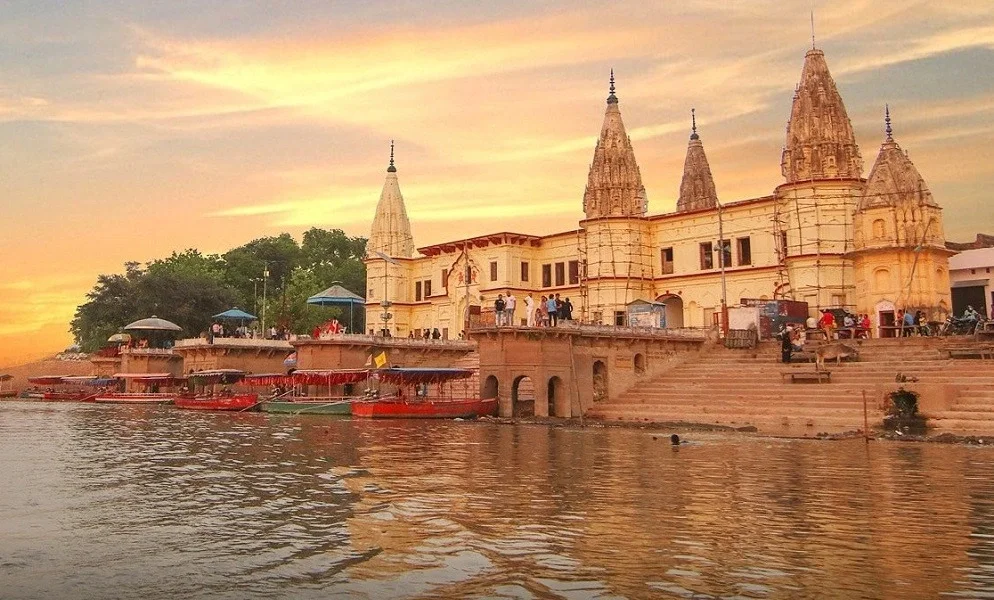
Saryu River Ghats
Holy riverfront of Ayodhya and main center for prayers and festivals
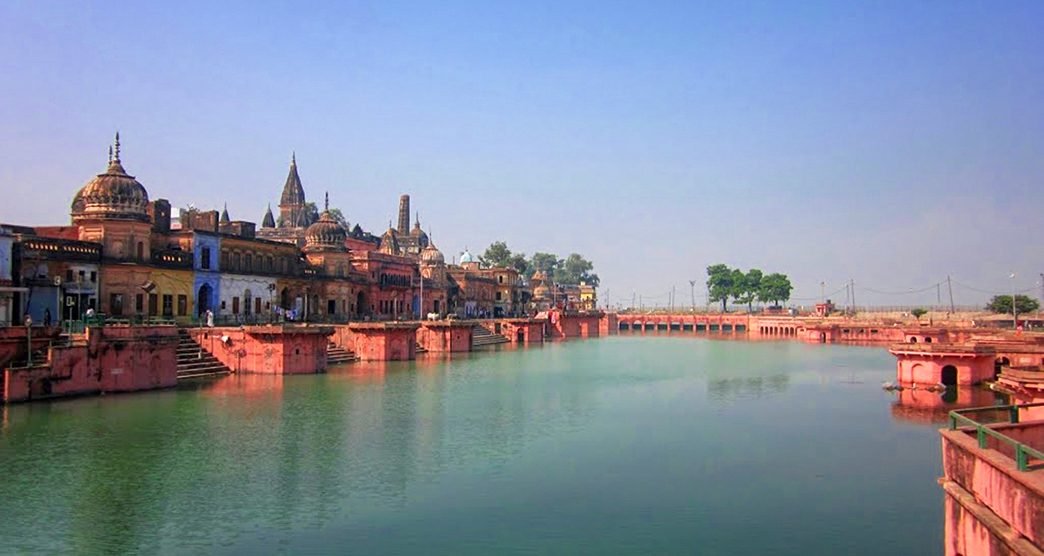
Ram Ki Paidi
Most popular ghat complex and iconic symbol of modern Ayodhya